
Key Highlights
Centers of Excellence
Discover world-class healthcare at Ankura’s specialized centres of medical innovation. Our advanced facilities offer unmatched expertise in key specialties and super specialties, setting new national standards in clinical excellence and patient care.

Voices of Trust from
Our Patients
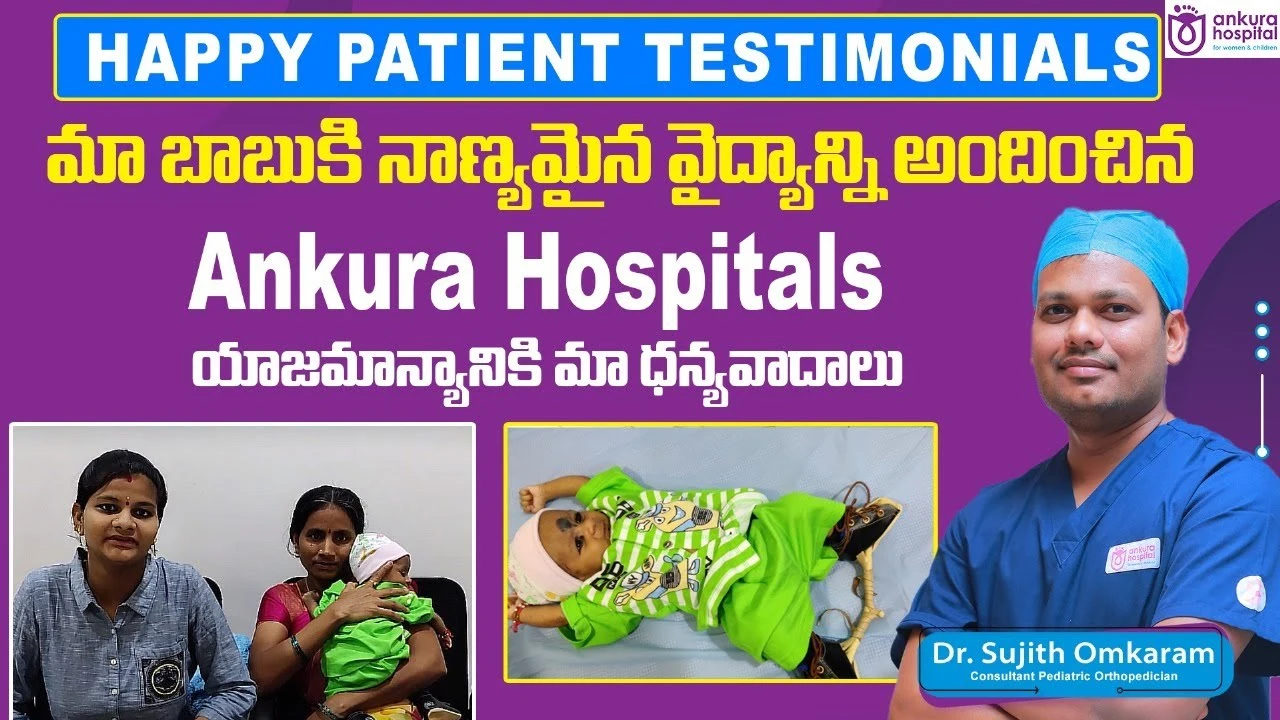
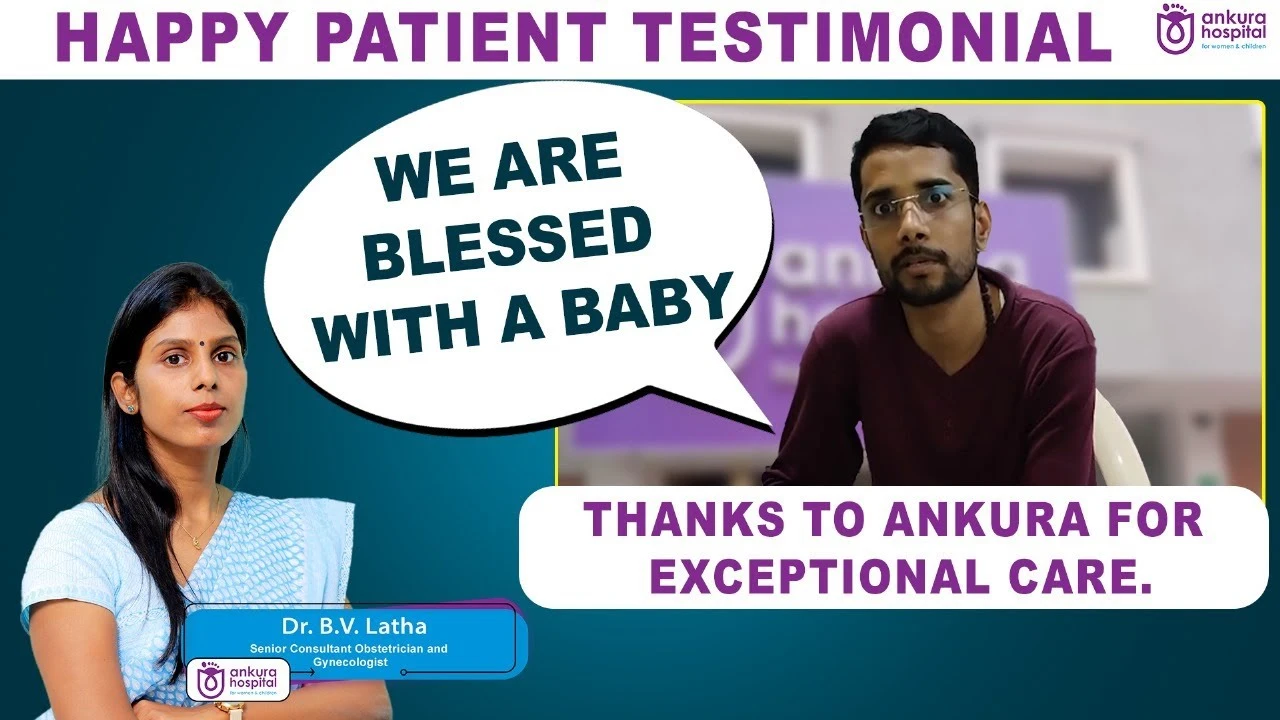
Real stories from our patients about their journey to healing with Ankura Hospitals.


Our Experts
Our healthcare specialists are equipped with the knowledge and skills to provide you with the support you require. From consultation to diagnosis to treatments, our experts are dedicated to helping you.
No doctors found for the selected filters.
Our Hospital Network in India
With a growing presence in over 14 locations across Telangana, Andhra Pradesh, Maharashtra, and Odisha, Ankura Hospitals brings expert women and child healthcare closer to every family. From bustling metros to emerging cities, our state-of-the-art centers ensure compassionate, specialized care is never far from home.
Hyderabad
Pune
Bhubaneswar
Vijayawada
Tirupati
Khammam
Indore

Preemethon 2025: Nationwide Drive by Ankura Hospitals & AAYU Foundation
Ankura Hospitals and Aayu Foundation jointly launched a walkathon in several cities under the name 'Preemethon 2025'...
Read More
11-month-old survives rare, life-threatening heart condition
In a remarkable story of survival, 11-month-old Gajarla Mokshith recovered from acute fulminant viral myocarditis, a rare and severe heart inflammation ...
Read more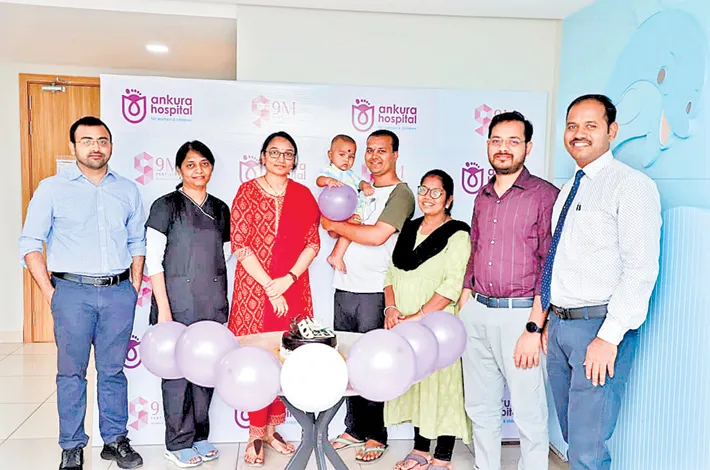
Ankura-Dhaatri Milk Bank opens in Hyderabad
Ankura Hospital for Women and Children has opened Ankura-Dhaatri Milk Bank at its LB Nagar branch in Hyderabad. The initiative was inaugurated by Prof Praveen Kumar ...
Read More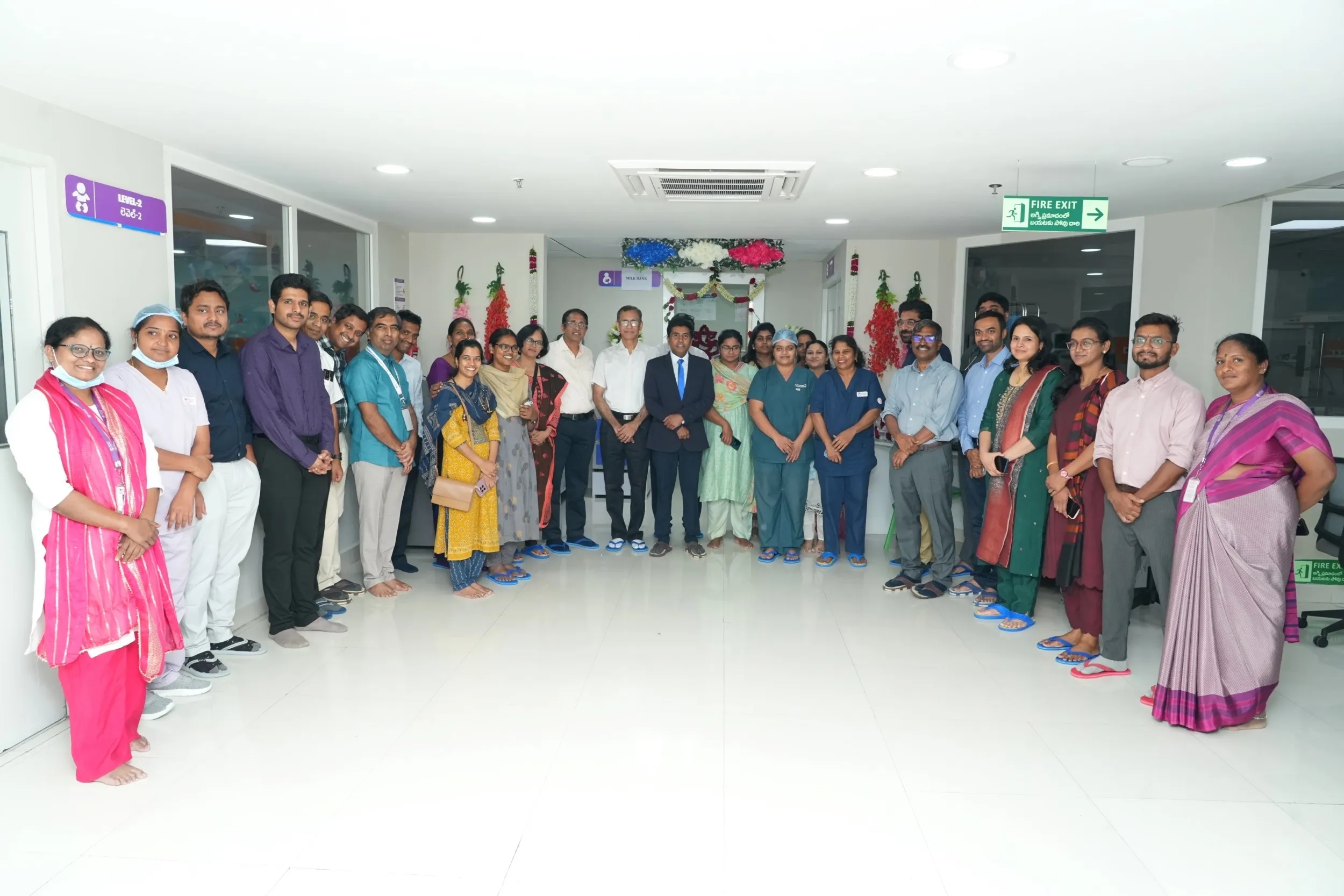
Ankura Hospitals secures Rs 165 Cr funding from Asian Development Bank
Hyderabad-based Ankura Hospitals, a leading healthcare provider specialising in super-specialty tertiary and quaternary care services ...
Read more

What’s New at Ankura

Ankura Hospitals Secures INR 165 Crores Funding from Asian Development Bank to Fuel Expansion Plans
Ankura Hospitals, a leading healthcare provider specializing in super-specialty tertiary and quaternary care services for women and children, is proud to announce ...
Know more
Ankura Hospitals Secures INR 165 Crores Fundi...
Ankura Hospitals, a leading healthcare provider specializing...

Rising Autism Diagnosis Rates in India: Cause...
Autism Spectrum Disorder (ASD) is defined as a complex neuro...

Rising Autism Diagnosis Rates In India: Cause...
Autism Spectrum Disorder (ASD) is defined as a complex neuro...

Ankura Hospital Launches Nationwide Paediatri...
Ankura Hospital, a leader in women’s and children’s healthca...

Rediscover the Power of Natural Birthing at A...
Birthing is one of nature’s most powerful and transformative...

Breathless Nation: Tackling the surge of Asth...
Asthma, a chronic respiratory condition marked by airway inf...

The Silent Struggle and Strength Behind Thala...
A routine evening took a serious turn for a young couple in...

Risks and Importance of Specialized Care For...
A high-risk pregnancy is one where the health of the mother,...

Ankura Hospital, Tirupati Performs Rare Lapar...
Ankura Hospital, Tirupati, achieved a rare medical milestone...

Miracle Survival: 32-Week Preterm Baby with R...
In a remarkable display of medical expertise and teamwork, a...

20,000 chickens die in Telangana in February...
Amid fears of bird flu in Telangana, officials from the Vete...
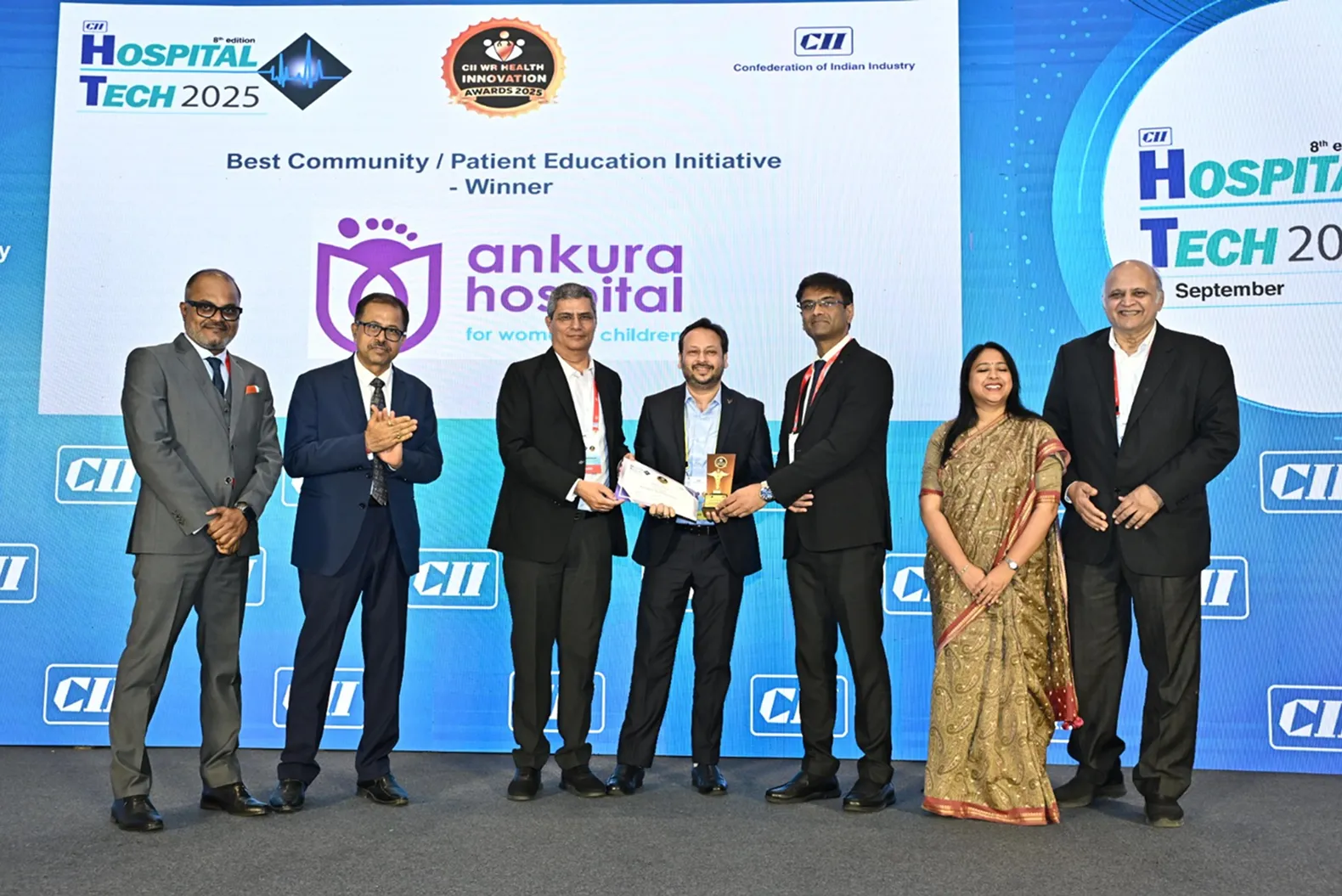
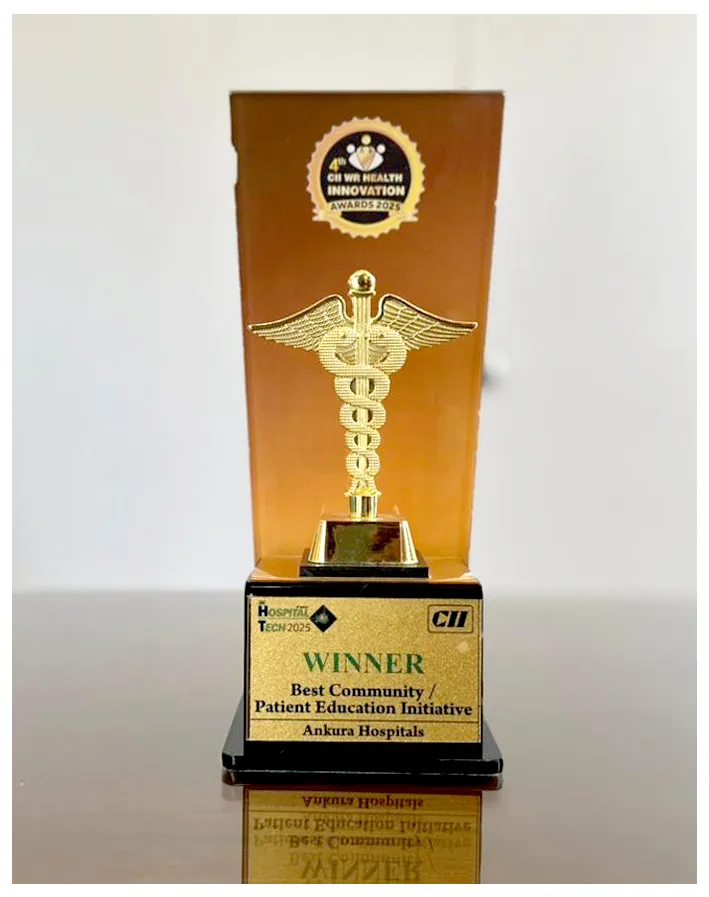
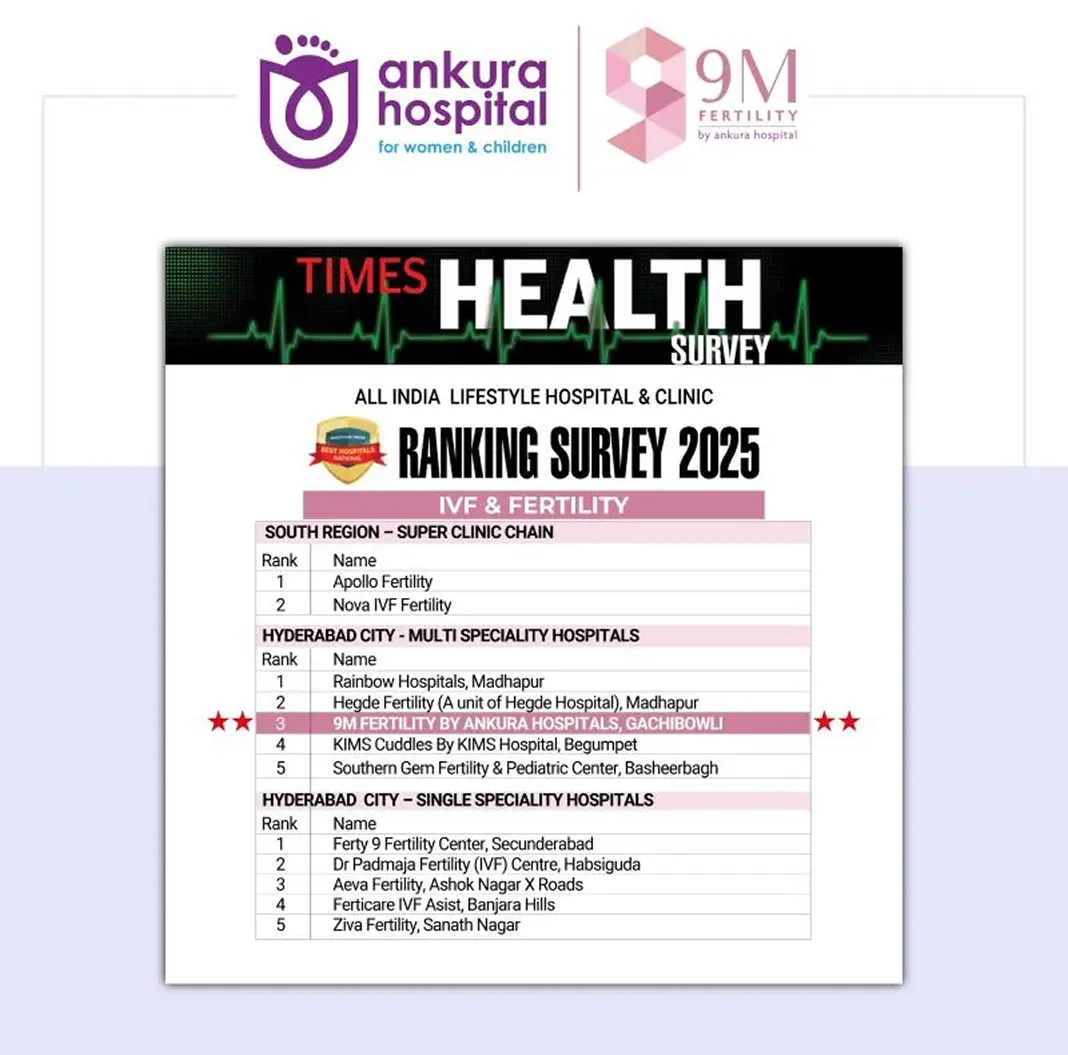
Awards and Accreditations
Explore expert-written blogs from our doctors and specialists on women’s and children’s health. From pregnancy tips and parenting advice to pediatric care and wellness insights, our blog keeps you informed, empowered, and ready to make the best decisions for your family’s health.




















Insights That Care
Explore expert-written blogs from our doctors and specialists on women’s and children’s health. From pregnancy tips and parenting advice to pediatric care and wellness insights, our blog keeps you informed, empowered, and ready to make the best decisions for your family’s health.







We’d Love to Hear from You
Have questions or need support? Our team is just a call or message away. Whether you’re booking an appointment, seeking medical advice, or simply want to know more about our services, we’re here to assist you, quickly, kindly, and with care.
Ankura Hospitals: Best Multi-Speciality Hospital for Women and Children in India
Ankura Hospitals have successfully delivered healthy newborns into the arms of delighted parents arou...
- They possess special training in kids’ health.
- They only observe the children in their practice period, so they are well-experienced in identifying and treating childhood conditions.
- If your kid is a premature infant or has a health problem that requires close monitoring, a child specialist may provide more specialized treatment.
- A pediatrician stops the spread of infectious illness at a young age, which helps ease the problems of adolescents and children with chronic health issues.
- Neonatal intensive care unit
- Pediatric intensive care unit
- Pediatric Neurology
- Pediatric Endocrinology
- Pediatric Gastroenterology
- Pediatric Nephrology
- Pediatric Urology & Pediatric Surgery
- Pediatric ENT
- Pediatric Pulmonology & Allergy
- Behavioral Pediatrics
- High-Risk Pregnancy
- Fetal Medicine & Emergency Medicine