
Tonsillitis in Children: When Do They Need Surgery?
Tonsillitis is a common condition that occurs when the tonsils become infected. It usually causes a sore throat, fever, and swollen lymph nodes.
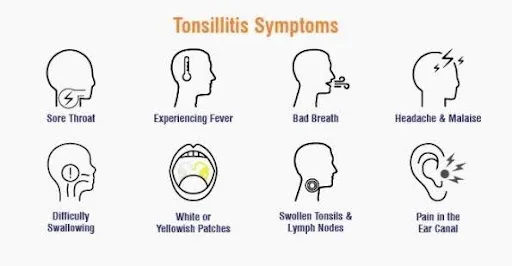
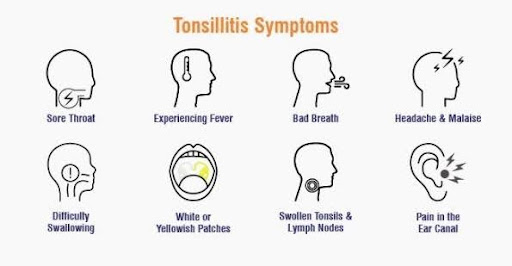 Tonsillitis Symptoms
What are the tonsils and adenoid?
When you look inside your child’s throat, you might see two pink, oval-shaped lumps on either side. These are the tonsils. They are small at birth and grow during the early years of childhood. Tonsils help the body by making antibodies, especially when your child is fighting an infection.
The adenoid also plays a role in protecting the body from infections. It is located high in the throat, behind the nose and above the roof of the mouth, near the uvula. Unlike the tonsils, the adenoid cannot be seen by looking into the mouth and usually needs special tools or an X-ray to be viewed.
What is tonsillitis?
Tonsillitis is a common condition where the tonsils become inflamed, usually because of an infection. In some cases, the tonsils might appear large without an infection, but most of the time, the swelling is due to a viral or bacterial infection.
Symptoms of tonsillitis
Tonsillitis can cause a range of symptoms, such as:
• Red, swollen tonsils
• A white or yellow coating on the tonsils
• A muffled or “throaty” voice
• Sore throat
• Pain or discomfort while swallowing
• Swollen lymph nodes in the neck
• Fever
Causes of Tonsillitis
Tonsillitis is most often caused by viral infections, though bacterial infections can also be responsible.
Viral Tonsillitis:
Viruses that lead to the common cold or flu are responsible for nearly 70% of tonsillitis cases. Symptoms are usually mild in viral tonsillitis and tend to resolve on their own without antibiotics.
Bacterial Tonsillitis (Strep Throat):
In some cases, bacteria—especially Group A Streptococcus—can cause tonsillitis. This form is commonly referred to as strep throat. Even individuals who have had their tonsils removed can still develop strep throat, which then affects the throat itself. Bacterial tonsillitis typically results in more intense symptoms compared to the viral type.
How Is Tonsillitis Managed?
The treatment for tonsillitis depends on its cause:
• If it’s viral, the infection usually clears up on its own as the body fights it off naturally—no antibiotics are needed.
• If it’s bacterial, such as in the case of strep throat, the doctor will prescribe antibiotics. Make sure your child takes the full course exactly as instructed to help ease symptoms quickly and prevent spreading the infection to others.
In some cases, if the tonsillitis is frequent or severe, the doctor may recommend a tonsillectomy (surgical removal of the tonsils).
When Do Children Need Surgery for Tonsillitis?
Tonsillitis is common in children and is normally treated with medication and rest. But surgery—a tonsillectomy—might be advised in certain instances like:
Tonsillitis happens often or repeatedly:
If your child gets seven or more times in a year, or five or more times in a year for two consecutive years, physicians will recommend surgery.
Chronic tonsillitis:
When there are long-standing symptoms like sore throat, bad breath, and swollen lymph nodes.
Breathing-related sleep problems:
Large tonsils can obstruct the airway and lead to sleep apnea or nighttime breathing problems. This is a very frequent indication for tonsillectomy in children.
Swallowing or eating problem:
Severely enlarged tonsils can cause difficulties with normal swallowing, eating, or drinking.
If a peritonsillar abscess (pus behind the tonsils) happens repeatedly, it can be a sign that surgery is needed.
Tonsillectomy is a common and safe operation, and most kids do just fine. But surgery should always be discussed with a Pediatric ENT specialist, depending on your child’s history of illness and how severe his or her symptoms are.
How to Help Your Child Feel Better
Encourage your child to stay well-hydrated and get plenty of rest. If swallowing is uncomfortable, offer soft and soothing foods. Some children find warm liquids like soup or sweetened tea comforting, while others may prefer cold options like smoothies, milkshakes, ice pops, or ice cream to ease throat discomfort. Older children might also benefit from sucking on throat lozenges or hard candies.
For pain relief, you can give medications like acetaminophen or ibuprofen as recommended by your doctor. Avoid giving aspirin or any products containing aspirin, as they can increase the risk of a serious condition called Reye syndrome.
If your child is on antibiotics, they can usually return to school after taking the medicine for at least 12 hours and once their fever has gone.
Can You Prevent Tonsillitis in Children?
While it’s not always possible to completely prevent tonsillitis, you can definitely lower the risk by encouraging good hygiene habits in your child. Here are a few simple but effective tips:
• Teach them to wash their hands regularly, especially before eating and after touching their nose or mouth.
• Avoid sharing food, drinks, or utensils with others—especially if someone around is unwell.
• Replace their toothbrush every three months, and always get a new one after they’ve recovered from an illness.
These small steps can go a long way in keeping common throat infections, like tonsillitis, at bay.