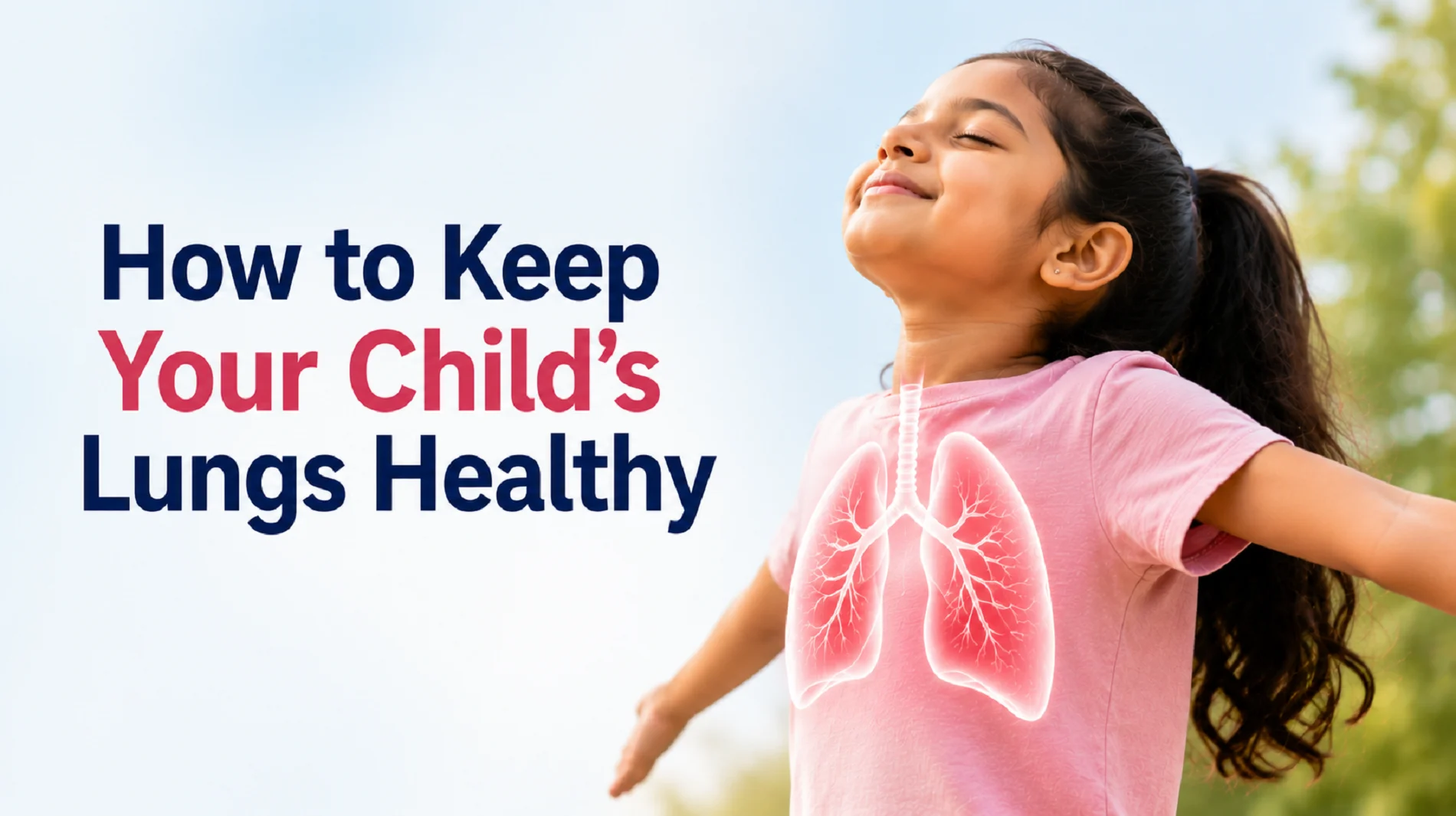
How to Keep Your Child's Lungs Healthy
Children rely on healthy lungs to play, learn, grow, and stay active. From the first breath at birth, the lungs work continuously to deliver oxygen throughout the body. However, children's lungs are still developing, making them more vulnerable to infections, allergies, pollution, and other respiratory conditions. As a parent, taking simple preventive steps can help protect your child's lung health and reduce the risk of breathing problems.
Why is lung health important in children?
Good lung health allows the proper functioning of respiration in your child, supports their growth and helps develop their immune system. Lung disease is linked with issues in sleeping, studying, exercising and general wellbeing. Persistent respiratory infections and poor respiration could also affect lung development.
Tips to keep your child's lungs healthy
1. Protect Your Child from Air Pollution
Air pollution can irritate your child's airways and trigger asthma, allergies, and respiratory infections.
You can reduce exposure by:
- Avoiding outdoor activities when pollution levels are high.
- Keeping windows closed during heavy traffic hours.
- Using air purifiers indoors if needed.
- Maintaining good indoor ventilation.
2. Avoid Exposure to Cigarette Smoke
Secondhand smoke is one of the leading causes of respiratory illnesses in children. It increases the risk of:
- Asthma
- Bronchitis
- Pneumonia
- Ear infections
- Chronic cough
Ensure that no one smokes inside your home or around your child.
3. Keep Vaccinations Up to Date
Vaccinations protect children against serious respiratory infections such as:
- Influenza (flu)
- Pneumococcal disease
- Whooping cough (pertussis)
Following your child's vaccination schedule helps strengthen their immune system and prevents severe lung infections.
4. Encourage Regular Physical Activity
Exercise helps improve lung capacity and strengthens the muscles involved in breathing. Encourage your child to:
- Play outdoors in clean environments
- Ride a bicycle
- Swim
- Dance
- Participate in sports
Aim for at least 60 minutes of physical activity every day.
5. Provide a Nutritious Diet
Good nutrition supports both immunity and lung health.
Include foods rich in:
- Vitamin C (oranges, guava, berries)
- Vitamin A (carrots, sweet potatoes)
- Vitamin E (nuts and seeds)
- Omega-3 fatty acids (fish, walnuts)
- Fresh fruits and vegetables
- Whole grains
Encourage your child to stay hydrated as adequate fluids help keep mucus thin and easier to clear from the airways.
6. Maintain Good Hygiene
Many respiratory infections spread through germs.
Teach your child to:
- Wash hands regularly with soap.
- Cover their mouth and nose while coughing or sneezing.
- Stay home when sick to prevent spreading infections.
7. Manage Allergies and Asthma Properly
If your child has allergies or asthma, early diagnosis and proper treatment are essential. Follow the treatment plan prescribed by your pediatrician and avoid known triggers such as dust mites, pollen, pet dander, or mold.
8. Keep Your Home Clean
Indoor allergens can affect lung health.
Reduce allergens by:
- Vacuuming carpets regularly.
- Washing bedding weekly in hot water.
- Controlling mold and dampness.
- Keeping pets out of bedrooms if they trigger allergies.
9. Avoid Burning Mosquito Coils or Incense Indoors
Smoke from mosquito coils, incense sticks, and indoor wood-burning can irritate children's lungs. Choose safer alternatives such as mosquito nets or electric repellents whenever possible.
10. Schedule Regular Health Checkups
Routine pediatric checkups help identify breathing problems early. Seek medical attention if your child has:
- Persistent cough lasting more than three weeks
- Wheezing
- Difficulty breathing
- Frequent chest infections
- Snoring with breathing pauses
- Poor exercise tolerance
Early treatment can prevent complications and support healthy lung development.
Signs your child may have a lung problem
Consult a pediatrician if your child experiences:
- Fast or difficult breathing
- Chest tightness
- Persistent wheezing
- Bluish lips or fingertips
- Frequent pneumonia
- Chronic cough
- Noisy breathing
- Fatigue during physical activity
Prompt evaluation can help diagnose and manage respiratory conditions before they become severe.
Helping your child breathe better every day
Healthy lungs develop through a combination of good nutrition, regular exercise, adequate sleep, clean air, vaccinations, and timely medical care. By adopting healthy habits early, parents can significantly reduce the risk of respiratory illnesses and help children enjoy active, healthy childhoods.
If your child experiences ongoing breathing problems, frequent infections, or asthma symptoms, consult a pediatric pulmonologist for a comprehensive evaluation and personalized treatment plan.
Why choose Ankura hospital for your child's respiratory care?
At Ankura Hospital, we provide specialized pediatric respiratory care with a compassionate, child-friendly approach. Our experienced pediatricians and pediatric pulmonologists offer comprehensive diagnosis and treatment for a wide range of respiratory conditions, including asthma, allergies, lung infections, and other breathing disorders. Equipped with advanced diagnostic facilities and supported by comprehensive neonatal and pediatric intensive care services, we ensure timely and effective treatment for children of all ages. Every child receives a personalized treatment plan tailored to their unique healthcare needs. With emergency pediatric care available whenever needed, our dedicated team is committed to helping every child breathe easier, recover faster, and enjoy a healthier future.