
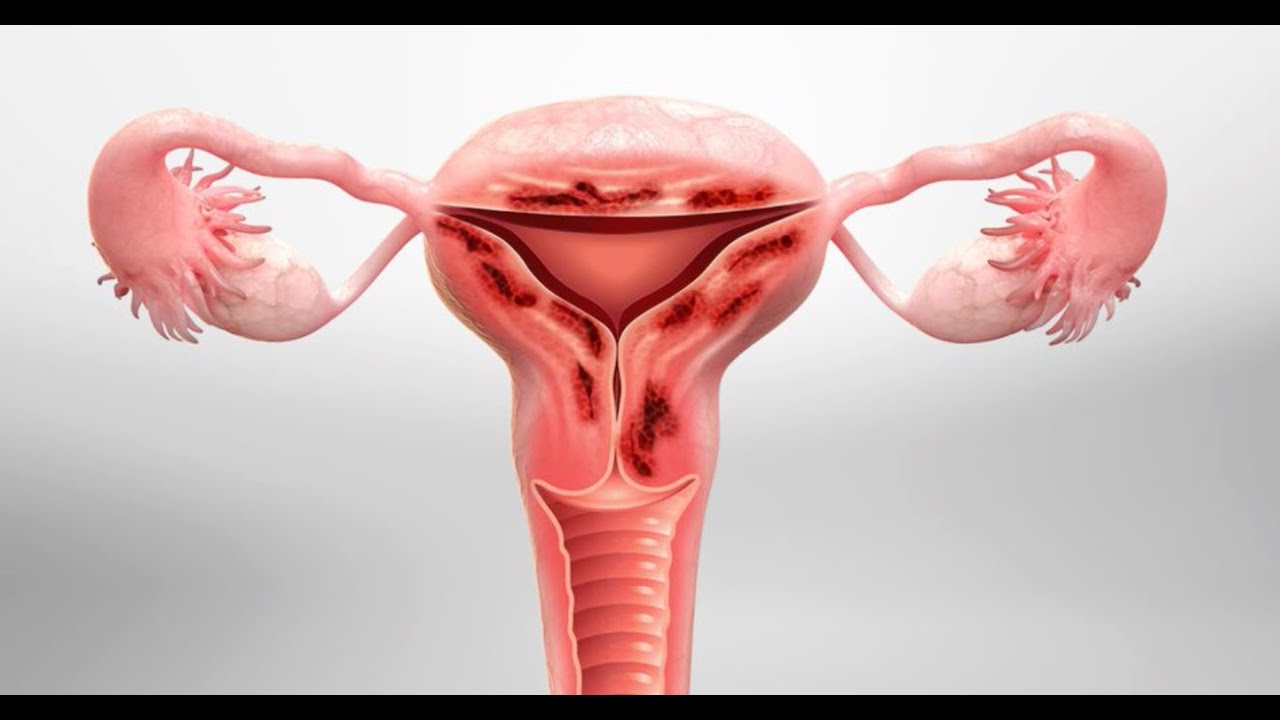
Many women experience painful periods and heavy menstrual bleeding at some point in their lives. While occasional discomfort during menstruation may be normal, severe pain and excessive bleeding should not be ignored. In some cases, these symptoms may be caused by a condition called adenomyosis.
Adenomyosis is a common yet often underdiagnosed gynecological condition that can significantly affect a woman's quality of life. Because its symptoms are frequently mistaken for normal menstrual problems, many women continue to suffer for years before receiving an accurate diagnosis.
Understanding the symptoms, causes, and treatment options for adenomyosis can help women seek timely medical care and improve their overall reproductive health.
What Is Adenomyosis?
Adenomyosis occurs when the tissue that normally lines the inside of the uterus (the endometrium) grows into the muscular wall of the uterus.
As this tissue continues to behave like normal endometrial tissue during each menstrual cycle, it thickens, breaks down, and bleeds. This can cause the uterus to enlarge and lead to heavy menstrual bleeding, severe cramps, and chronic pelvic pain.
Although adenomyosis is not a cancerous condition, it can have a significant impact on a woman's daily activities and well-being.
What Causes Adenomyosis?
The exact cause of adenomyosis is not fully understood. However, several factors may contribute to its development.
Possible causes include:
- Invasion of endometrial tissue into the uterine muscle
- Hormonal influences, particularly estrogen
- Inflammation of the uterus after childbirth
- Previous uterine surgeries such as cesarean section or fibroid removal
- Age-related changes in the uterine tissue
Researchers continue to study the condition to better understand its underlying causes.
Common Signs and Symptoms of Adenomyosis
The severity of symptoms can vary from woman to woman. Some women may experience mild discomfort, while others may have symptoms that interfere with their daily lives.
Common symptoms include:
Heavy Menstrual Bleeding
Women with adenomyosis often experience prolonged or unusually heavy periods that may require frequent changes of sanitary products.
Severe Menstrual Cramps
Menstrual pain associated with adenomyosis is often more intense than typical period cramps and may worsen over time.
Chronic Pelvic Pain
Persistent pain or pressure in the lower abdomen and pelvic region is a common symptom.
Enlarged Uterus
The uterus may become enlarged, leading to a feeling of fullness, bloating, or abdominal discomfort.
Pain During Intercourse
Some women may experience discomfort or pain during sexual activity.
Blood Clots During Menstruation
Passing large blood clots during periods may also be associated with heavy menstrual bleeding caused by adenomyosis.
How Is Adenomyosis Different from Endometriosis?
Adenomyosis and endometriosis are often confused because they can cause similar symptoms, including painful periods and pelvic pain.
However, the two conditions are different.
In adenomyosis, endometrial tissue grows within the muscular wall of the uterus.
In endometriosis, tissue similar to the uterine lining grows outside the uterus, affecting organs such as the ovaries, fallopian tubes, and pelvic tissues.
Some women may have both conditions at the same time.
Who Is at Risk of Developing Adenomyosis?
Adenomyosis can affect women of various age groups, but certain factors may increase the risk.
These include:
- Women between 35 and 50 years of age
- Previous pregnancies
- Prior uterine surgery
- Long-term exposure to estrogen
- History of heavy menstrual bleeding
However, adenomyosis can also occur in younger women and should not be ruled out based solely on age.
How Is Adenomyosis Diagnosed?
Diagnosing adenomyosis can sometimes be challenging because its symptoms overlap with several other gynecological conditions.
A gynecologist may recommend:
Detailed Medical History
Understanding the pattern of symptoms, menstrual history, and associated concerns is often the first step.
Pelvic Examination
A physical examination may reveal an enlarged or tender uterus.
Ultrasound Scan
Pelvic ultrasound is commonly used to identify changes suggestive of adenomyosis.
MRI Scan
In certain cases, Magnetic Resonance Imaging (MRI) may be recommended to obtain a more detailed view of the uterus and confirm the diagnosis.
Early diagnosis can help women receive appropriate treatment and avoid unnecessary suffering.
Treatment Options for Adenomyosis
Treatment depends on factors such as age, severity of symptoms, reproductive plans, and overall health.
Pain Management
Medications may be prescribed to help relieve menstrual cramps and pelvic pain.
Hormonal Therapy
Hormonal treatments can help regulate menstrual cycles, reduce bleeding, and control symptoms.
Lifestyle Modifications
Maintaining a healthy lifestyle, managing stress, engaging in regular physical activity, and following a balanced diet may help improve overall well-being.
Minimally Invasive Procedures
In selected cases, certain procedures may be recommended to reduce symptoms while preserving the uterus.
Surgical Treatment
For women with severe symptoms that do not respond to other treatments, surgery may be considered based on individual circumstances and future fertility goals.
A gynecologist can recommend the most suitable treatment plan after a thorough evaluation.
Can Adenomyosis Affect Fertility?
The relationship between adenomyosis and fertility is still being studied. While many women with adenomyosis are able to conceive successfully, the condition may sometimes affect fertility and pregnancy outcomes.
Women planning a pregnancy and experiencing symptoms such as severe menstrual pain or heavy bleeding should consult a gynecologist for appropriate evaluation and guidance.
When Should You Consult a Gynecologist?
It is important to seek medical advice if you experience:
- Heavy or prolonged menstrual bleeding
- Severe menstrual cramps
- Chronic pelvic pain
- Pain during intercourse
- Frequent fatigue due to excessive blood loss
- Symptoms that interfere with daily activities
Early medical evaluation can help identify the cause and improve long-term reproductive health outcomes.
Conclusion
Adenomyosis is a common yet often overlooked gynecological condition that can cause heavy periods, severe menstrual pain, and chronic pelvic discomfort. Because many women assume these symptoms are a normal part of menstruation, diagnosis is often delayed.
Recognizing the warning signs and seeking timely medical care can make a significant difference in symptom management and overall quality of life. If you experience persistent menstrual pain or heavy bleeding, consult a gynecologist for a comprehensive evaluation and personalized treatment plan.