Strong Bones for Life: How Women Over 30 Can Prevent Osteoporosis Naturally
Bones are the framework of our body that helps provide structural support, protect organs, and store essential minerals.
Maintaining healthy and strong bones is especially important for women due to factors such as a smaller bone structure, hormonal changes during menopause, and longer lifespans, all of which can increase the risk of fractures and osteoporosis.
Read the below information to understand the importance of bone health, what osteoporosis is, early detection, and prevention strategies:
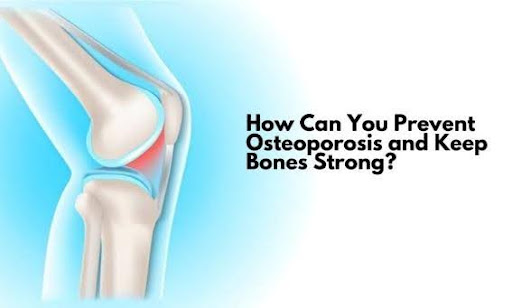
Bone is a living tissue that continuously regenerates, and is made up of the mineral calcium that makes the bone strong and collagen, a protein that makes it more resilient.
Significant bone development starts in infancy and continues into early adulthood. By the age of 30, bones have reached their peak bone mass, or maximum bone density and strength, and when women reach their mid-30s, their bones slowly begin to lose mass, increasing the risk for diseases of the bone, most commonly osteopenia (chronic low bone mass) and osteoporosis.
Detect osteoporosis before you break a bone
Osteoporosis is a common condition in women that is highly preventable, characterized by brittle and weakened bones, which is significantly seen in women after menopause due to a decline in estrogen levels.
It is associated with an increased risk of fractures, which often can be reduced, eliminated, or prevented by following a healthy lifestyle.
Estrogen plays a crucial role not just in reproductive health but also in maintaining bone density. Its decline during menopause can lead to increased bone loss and a higher risk of fractures.
Women with osteoporosis are more prone to breakage and shrinkage of bones due to the gradual loss of calcium and other bone materials, resulting in less dense, more fragile bones. Many women don’t even know that they have this condition until after they break a bone.
Why women are at risk
Women tend to have smaller, thinner bones than men.
The estrogen hormone in women (which protects bones) reduces sharply when women reach menopause, which can cause bone loss. This is why the chance of developing osteoporosis rises as women reach menopause.
As women get older, as part of aging, bones lose their ability to regrow and reform themselves.
Early detection of osteoporosis:
Early detection of osteoporosis is really important for women to prevent fractures and manage the condition effectively. While osteoporosis often progresses silently, some early warning signs and risk factors can indicate a potential problem.
Understanding risk factors
• Age of 50 or older
• Being overweight
• Overconsumption of alcohol
• Smoking
• Having thyroid gland issues
• Having an eating disorder
• Family history of osteoporosis and fractures
• Certain underlying health conditions (e.g., diabetes)
• Not exercising regularly
• Certain medications (like corticosteroids)
Recognizing early bone density loss signs
• Changes in natural posture
• Lower back pain
• Losing an inch or more of your height
• Shortness of breath
• Fractures from minor trauma
Bone scans and screenings
• Dual-energy X-ray absorptiometry (DEXA) or DXA (bone density test)
• Peripheral DEXA
• Blood tests for calcium, vitamin D levels, and hormone levels
• Spinal radiography (to detect vertebral fractures)
• Risk assessment tools like ORAI, SCORE, or OSIRIS
Prevention strategies: diet, supplements, exercise
Calcium and Vitamin D importance
A calcium-rich diet: A diet low in calcium may lead to low bone density, easily broken bones, and early bone loss. Women up to age 50 need 1,000 milligrams daily, and women over 50 need 1,200 milligrams daily. Good sources of calcium include dairy products, fish (salmon), soy products such as tofu, millets like ragi, green leafy vegetables, makhana, nuts, and seeds.
Vitamin D: Calcium needs vitamin D for your body to absorb it. If a person is not getting enough vitamin D, the calcium gets flushed out. Try to aim for 600–800 international units (IUs) daily.
Exercise: Women who aren’t physically active have an increased risk of osteoporosis compared to people who exercise regularly, as exercise makes bones stronger. The best exercises to improve bone health include resistance exercise (i.e., weightlifting, pull-ups) and weight-bearing exercise (i.e., walking), which help slow bone loss.
Eat lots of vegetables: Vegetables are the best sources of vitamin C, stimulating the production of bone-forming cells and protecting bone cells from damage. Many studies have found that eating lots of vegetables also benefits older women.
Consume enough protein: Research found that low protein intake reduces calcium absorption and may also affect rates of bone formation and breakdown, increasing the risk of bone loss. About 50% of bone is made of protein; getting enough protein is important for healthy bones during aging and weight loss.
Avoid very low-calorie diets: Diets that include few calories have been found to reduce bone density, even when combined with resistance exercise. Consuming a balanced diet with at least 1,200 calories daily is essential to preserve and improve bone health.
Consider taking a collagen supplement: Emerging evidence recommends that supplementing with collagen may protect and preserve bone health by reducing collagen breakdown.
Maintain a stable, healthy weight: Bone health can be negatively affected by being too thin or too heavy. Therefore, maintaining a stable weight, rather than repeatedly gaining and losing it, can help preserve bone density.
Conclusion:
Osteoporosis is a silent but preventable condition that significantly affects women, especially after menopause, due to hormonal changes. Early detection, a calcium- and protein-rich diet, regular weight-bearing exercise, and healthy lifestyle habits are key to preserving bone density and preventing fractures as women age.