Redefining Menopause: Breakthrough Therapies and Holistic Wellness
In modern times menopause is being embraced as a bold and transformative chapter of a woman’s life. In 2025, science, technology, and holistic care are coming together to shift the menopause narrative from suffering in silence to thriving with support. From breakthrough menopause treatments and precision-guided hormone replacement therapy to perimenopause awareness and lifestyle-centered care, the journey through menopause is now being reimagined.
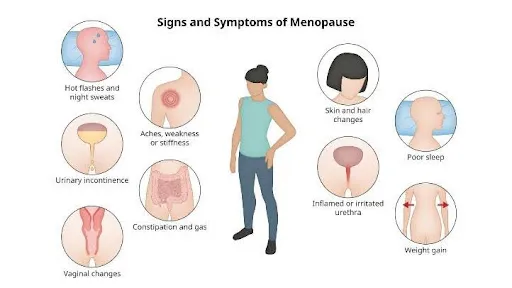
Signs and Symptoms of Menopause
Understanding Menopause: A Natural Milestone
Menopause marks the end of menstruation and thus the end of a woman’s reproductive years and typically occurs between the ages of 45 and 55. A woman is officially diagnosed with menopause if she gets no menstruation for 12 consecutive months. However, the journey of menopause begins much earlier with perimenopause—the transitional phase where hormonal fluctuations begin, and symptoms can appear gradually.
Women should remember that menopause is not a disease or a disorder, it’s rather a biological transition. Just as menarche marks the start of menstruation for a girl who attains puberty, menopause marks the end. Drastic hormonal changes during this phase can a woman’s physical, emotional, and mental well-being significantly.
What are the symptoms of Menopause?
Menopause symptoms vary widely among women, both in intensity and duration. Some breeze through it, while others experience debilitating changes. Increased awareness has helped women identify and address symptoms early, thanks to better diagnostic tools and self-tracking technologies.
Physical Symptoms
Some symptoms that women experience during menopause include:
• Hot flashes and night sweats
• Vaginal dryness and discomfort during intercourse
• Irregular or heavy periods (during perimenopause)
• Sleep disturbances and insomnia
• Fatigue and joint pain
• Decreased bone density
• Weight gain and slowed metabolism
• Thinning hair and dry skin
• Decreased libido
Apart from the above changes women also experience emotional and cognitive symptoms, mood swings, depression, irritability, and anxiety. Memory lapses or “brain fog” during this phase are also very common.
The above symptoms are primarily caused by the declining levels of estrogen and progesterone. However, it’s a relief that today women are much better equipped than ever to address these challenges proactively.
Perimenopause- The phase before menopause
Perimenopause can start as early as the late 30s or early 40s. It is often misunderstood, misdiagnosed, or dismissed as stress or aging. But in truth, this phase is crucial for setting the tone for a healthier menopause experience.
Key Signs of Perimenopause
The phase before menopause can also present with a long list of symptoms in women. These include:
• Irregular periods
• Breast tenderness
• Worsening PMS symptoms
• Sleep disturbances
• Decreased fertility
Today, there is a growing emphasis on early intervention during perimenopause. Women are encouraged to consult gynecologists, undergo hormonal assessments, and receive tailored lifestyle recommendations to cope with this phase better. With accurate symptom-tracking apps and hormone monitoring, many are now catching perimenopause signs early—leading to better outcomes in menopause treatment.
How can menopause be treated?
Personalized Hormone Replacement Therapy (HRT)
One of the most transformative menopause treatments is the evolution of hormone replacement therapy (HRT). Once a one-size-fits-all solution, HRT has now become precision-guided and personalized.
What is Hormone Replacement Therapy?
Hormone Replacement Therapy (HRT) is a treatment used to relieve the symptoms of menopause by replenishing the hormones that the body stops producing naturally during this phase. These hormones primarily include estrogen and progesterone. As women approach menopause, declining hormone levels can lead to symptoms as mentioned above. HRT works by restoring hormonal balance, thereby easing these symptoms and improving quality of life. It can be administered in various forms such as tablets, skin patches, gels, or vaginal creams. While HRT offers significant relief to many women, it is important to consult a
healthcare provider to evaluate the benefits and risks based on individual health history and lifestyle.
What’s New in HRT?
While hormonal replacement therapy has been known before, recent advancements have made it even more exciting to cope with menopausal changes. These include:
Bioidentical hormones: Bioidentical hormones are man-made hormones that are chemically identical to the hormones naturally produced by the human body. They are designed to mimic the exact molecular structure of natural human hormones, which may allow for better absorption and effectiveness in some individuals. These hormones are derived from plant sources like soy or yams and are available in various forms including creams, gels, pills, patches, and injections.
Transdermal delivery systems: Patches, gels, and vaginal rings are various modes of delivery that offer more consistent hormone levels with fewer side effects.
Customized hormone plans: Customised Hormone Replacement Therapy (HRT) is a personalised approach to managing menopause symptoms by tailoring hormone doses to an individual’s specific needs. Unlike standard HRT, customised HRT uses bioidentical hormones compounded in precise strengths and forms based on hormone testing and clinical evaluation. This ensures better symptom control, especially for women who don’t respond well to conventional therapies. Genetic testing and hormonal profiling allow doctors to create highly personalized HRT regimens based on a woman’s risk factors and symptom profile.
Modern HRT not only helps alleviate menopause symptoms such as hot flashes, vaginal dryness, and mood swings—it also protects bone health and cardiovascular function. However, it’s not suitable for everyone, and regular monitoring is essential. An experienced obstetrician and gynaeologist can best guide women on HRT.
Non-Hormonal Therapies
Modern medicine has brought into light many non-hormonal menopausal treatments that are backed with evidence.
Neurokinin-3 receptor antagonists: This is a new class of drugs that reduces hot flashes by targeting the brain’s thermoregulation system.
Selective Estrogen Receptor Modulators (SERMs): These mimic estrogen in specific tissues, helping with improving bone density and vaginal health without affecting the uterus or breast.
Antidepressants: Low-dose anti-depressants as prescribed by a healthcare provider can help manage mood disturbances and hot flashes.
Natural and Complementary Approaches
Women today are also embracing holistic menopause care, integrating both medical and natural therapies. Some such natural therapies include:
Dietary support: Phytoestrogens from soy and flaxseeds may have mild estrogenic effects. These plant-based compounds can help alleviate hot flashes, mood swings, and other menopausal symptoms in some women. While not as potent as synthetic hormones, they offer a natural alternative for those seeking gentle, diet-based support during menopause.
Acupuncture: Acupuncture has shown promise in relieving common menopause symptoms. By stimulating specific points in the body, it may help restore hormonal balance and promote overall well-being.
Mindfulness and meditation: Mindfulness and meditation can significantly reduce stress, anxiety, and mood swings during menopause. Regular practice helps enhance emotional resilience and improve sleep quality, supporting overall mental and physical well-being.
Herbal supplements like black cohosh and evening primrose oil are used under medical supervision to ease symptoms.
Lifestyle and Wellness Strategies for Menopause
In 2025, wellness is not optional—it is the cornerstone of menopause management. Forward-thinking healthcare systems now recommend a comprehensive, lifestyle-based approach that focuses on diet, movement, mental health, and self-care.
Nutrition for Hormonal Health
Nutrition plays a key role in maintaining hormonal balance, especially during menopause. A diet rich in whole grains, healthy fats, lean proteins, and antioxidant-packed fruits and vegetables supports optimal endocrine function and helps manage symptoms like mood swings, fatigue, and weight gain. Foods rich in vitamin D and calcium are crucial for bone health, and limiting caffeine is essential for a good night’s sleep.
Exercise as Medicine
Exercise is a powerful, natural medicine that supports physical and mental health. Regular movement improves hormone regulation, boosts mood, strengthens bones, and helps manage menopausal symptoms like hot flashes, anxiety, and sleep disturbances. Regular movement helps combat weight gain, boosts mood, improves sleep, and protects heart and bone health. Yoga and Pilates enhance flexibility and calm the nervous system.
Sleep Optimization
Sleep disturbance is among the top menopause symptoms, and thus sleep optimization plays a crucial role in managing this condition. Prioritizing a consistent sleep schedule, creating a calming bedtime routine, and addressing night sweats or insomnia can significantly improve mood, energy levels, and overall hormonal balance. In the modern day increased use of blue-light blocking tech and sleep apps, sleep hygiene coaching, and melatonin and magnesium supplementation in case of need can help in sleep regulation.
Mental Wellness and Emotional Support
Menopause can be emotionally turbulent. Therapy, support groups, and even menopause coaches are helping women navigate identity shifts and relationship changes during this phase.
Menopause at Workplace: Breaking the Stigma
It is high time that menopause is recognized and acknowledged in the workplace. Since the treatment of menopausal symptoms is limited, supporting women while they face these symptoms is what remains of paramount importance. What can be done?
Communication: The most important aspect of lending any support is communication. Understanding something stems from talking about it. While women may at times, not feel open to talk about menopause or its symptoms, the office space should be such that they are encouraged to talk about it. Employers can bring about great change when it comes to awareness and change in this aspect by the creation of a more nurturing and open workplace culture. At times, male colleagues, other women, and even women experiencing difficulty due to menopause may not be aware of this condition. Thus, the managers and all other employees should be made aware that such a condition can occur.
Changes in the workplace: Consideration of minor changes in the workplace for ease of working can be of great help. An overhead or table fan and ventilated spaces are preferable which can help the woman cope with hot flushes and sweat. Besides, convenient access to restrooms which may be frequently needed by menopausal women should be made, and also, cold drinking water should be available at the workplace. Since menopause stretches over months with irregular and heavy periods which a woman may not be prepared for, changing rooms and possibly spare sanitary napkins at the workplace for emergency use can help in a great way.
Flexible work hours: Understanding alteration in sleep patterns and allowing a more flexible work schedule and ease with deadlines can bring the best out of women facing cognitive and mood changes. In case a place demands duty in shifts, then a day shift instead of a night shift should be considered for these women.
Support: If feasible, psychological counselling sessions for women who are unable to manage their symptoms due to extreme changes can make them positive about their outlook on life during and after menopause.
Long-Term Health in Menopause
Menopause is a window of opportunity to reassess long-term health. As estrogen declines, the risk of certain chronic conditions increases. Doctors are now focusing more on post-menopausal health optimization through regular screenings and preventive care.
Key Areas of Monitoring:
Bone health: Screening for osteoporosis and supplementing with calcium, vitamin D, and sometimes bisphosphonates is done to optimize bone health.
Heart health: Monitoring cholesterol, blood pressure, and lifestyle to reduce cardiovascular risk.
Cognitive health: Estrogen may influence brain function, making cognitive care a vital component.
The story of menopause is no longer one of decline. It’s a renaissance where women redefine their health, power, and purpose. In 2025, menopause isn’t hidden in the shadows it’s part of mainstream wellness.
Healthcare providers, tech innovators, mental health experts, and policy-makers are uniting to give menopause the attention it deserves. This collective shift is helping women feel seen, heard, and supported like never before.
Let’s continue to redefine menopause—one empowered woman at a time.