Bouncing Back After Baby: The Science Behind Postpartum Recovery & Body Transformations
Giving life to a child is a wondrous experience. But for most women, motherhood also means dramatic transformations to the body. After giving birth, it’s quite normal for women to want to feel more confident and physically restored, even though these changes are normal and should be welcomed. This is where contemporary postpartum body contouring methods and the science of postpartum healing are useful.
Let’s discuss the post-childbirth physical changes, learn how the body heals on its own, and discover cutting-edge cosmetic procedures such as tummy tuck, breast lift surgery, and liposuction to help mothers regain their bodies.
Lochia (Postpartum Vaginal Discharge)
Lochia refers to the vaginal discharge that occurs after childbirth. It has a musty, menstrual-like smell and changes in appearance over time. In the first three days after giving birth, lochia is typically dark red and may contain a few small blood clots—no larger than a plum. Between days 4 and 10, the discharge becomes lighter in flow and shifts to a pink or brown color. From around day 7 to 14, it may appear cream-colored or yellow.
You may notice an increase in lochia when you wake up, move around more, or during breastfeeding. Women who undergo cesarean sections often experience less lochia after the first 24 hours compared to those with vaginal births. Bleeding usually subsides within four to six weeks. It’s important to use sanitary pads during this time and avoid tampons or inserting anything into the vagina for six weeks to allow proper healing.
Diastasis Recti (Abdominal Muscle Separation)
Diastasis recti, or rectus diastasis, refers to a situation in which the rectus abdominis muscles—otherwise called the “six-pack” muscles—split. This occurs in about 6 of every 10 women after giving birth. It is usually characterized by a prominent bulge or pooch in the stomach, usually near the belly button, as if still pregnant even after months or years after giving birth.
The rectus abdominis is two vertical bands of muscle along the front of your abdomen. The linea alba is a band of connective tissue that separates them. It stretches and thins out during pregnancy because as the uterus gets larger, it has to make room for the growing baby.
Following delivery, the linea alba is supposed to revert back to its initial position. Being elastic in nature, it will usually retract like a rubber band. But severe or prolonged stretching can decrease elasticity, and thus the tissue is not able to return to the pre-pregnancy state completely. When the space between the muscles is still wide and the abdominal wall does not go back to its usual position, diastasis recti occurs. The intensity of this situation can differ among people, from mild to more severe separation.
Sagging Breasts
During pregnancy, rising estrogen levels cause the milk ducts to enlarge in preparation for breastfeeding, leading to breast enlargement. After pregnancy—whether or not breastfeeding occurs—the breasts typically reduce in size and return closer to their pre-pregnancy state.
This reduction happens naturally. For those who don’t breastfeed, the breasts begin to shrink within weeks to months after giving birth. For breastfeeding mothers, the decrease in size occurs gradually in the weeks or months following the end of breastfeeding.
Pregnancy itself, rather than breastfeeding, is more strongly linked to breast sagging. Younger women may experience less sagging due to greater skin elasticity, while older women may see more noticeable changes.
However, the extent of breast changes after pregnancy can vary widely. How much the breasts enlarge and then reduce differs from person to person, and genetics plays a major role. Some women experience significant shrinkage and sagging postpartum, while others notice only minor changes.
Stubborn Fat Deposit
After giving birth, many women notice changes in their body composition, including added fat and weight, particularly around the belly, hips, and thighs.
This fat buildup is a normal reaction to hormonal shifts during pregnancy and breastfeeding, but it may continue well past the initial postpartum phase if not managed properly.
How much weight a woman retains after pregnancy can be affected by several factors, including genetics, eating habits, physical activity, and overall lifestyle.
Loose Skin
It’s completely natural for the skin around the abdomen to become loose after pregnancy and childbirth. As the baby grows, the abdominal skin stretches to accommodate the expanding uterus. After delivery, the body begins to return to its pre-pregnancy shape, but the stretched skin doesn’t always bounce back fully. This is especially common after multiple pregnancies, though it can also happen after just one. The result is often sagging or wrinkled skin in the lower belly area.
Many women feel self-conscious about their postpartum belly, which can impact their confidence. This may lead them to change how they dress or avoid activities like swimming or exercise. Loose skin can also rub against clothing, causing irritation and physical discomfort, further affecting how women feel about their bodies after childbirth.
Unfortunately, this loose skin can bring both emotional and physical challenges, sometimes overshadowing the joy of welcoming a new baby. The good news is there are both non-surgical and surgical treatments available to help manage and improve the appearance of post-pregnancy loose skin.
While a healthy diet, regular exercise, and proper hydration are essential to natural recovery, sometimes they aren’t enough to restore pre-pregnancy form. That’s where post-pregnancy body contouring procedures come in.
What Is Post-Pregnancy Body Contouring?
Post-pregnancy body contouring is a term that encompasses a variety of cosmetic procedures designed to address the specific physical concerns that arise after childbirth. These procedures are customized based on a woman’s needs and usually target the abdomen, breasts, and areas with stubborn fat.
The most common body contouring procedures after pregnancy include:
Tummy Tuck (Abdominoplasty)
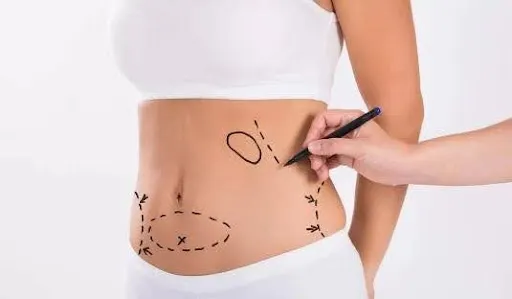
A tummy tuck, also known as abdominoplasty, is a cosmetic surgery designed to tighten, flatten, and smooth the abdominal area. During the procedure, a plastic surgeon removes extra fat and loose skin while also tightening the muscles in your abdominal wall. In some cases, liposuction may be used alongside the tummy tuck to enhance the overall outcome.
While a tummy tuck is not intended as a weight-loss method, it can help refine your body shape and restore a firmer appearance after significant changes in size, such as those caused by pregnancy or weight fluctuations.
The result is a flatter, firmer midsection. For many women, especially those who’ve had multiple pregnancies or a C-section, a tummy tuck provides the physical and emotional relief they’ve been longing for.
Breast Lift Surgery (Mastopexy)
Breasts undergo significant changes during pregnancy and breastfeeding. Loss of volume, stretch marks, and drooping can impact self-esteem. Breast lift surgery is a solution that restores the breasts’ youthful shape without necessarily changing their size.
Benefits include:
• Lifting sagging breasts
• Repositioning the nipples to a more youthful height
• Removing excess skin
• Depending on the individual’s goals, a breast lift can be combined with breast augmentation (implants) or reduction for a more dramatic transformation.
Liposuction
Even after losing most of the pregnancy weight, many mothers struggle with localized fat deposits that resist exercise and dieting. Liposuction is a minimally invasive procedure that suctions out unwanted fat from areas like:
• Abdomen
• Hips
• Thighs
• Upper arms
• Back
While liposuction is not a weight-loss tool, it significantly improves body contours and can be a powerful addition to post-pregnancy body contouring plans.
Combining Procedures: The “Mommy Makeover”
A growing number of women opt for a Mommy Makeover, a personalized combination of procedures like tummy tuck, breast lift surgery, and liposuction done during one surgical session. This approach not only enhances overall aesthetic results but also reduces downtime and cost.
Common Mommy Makeover combinations include:
• Tummy tuck + breast lift
• Tummy tuck + liposuction
• Breast lift + augmentation + liposuction
• This all-in-one strategy helps mothers regain their confidence and feel more like themselves again—without having to undergo multiple surgeries.
Safety & Recovery: What to Expect
Is It Safe?
Yes, when performed by a board-certified plastic surgeon, these procedures are generally safe. However, like all surgeries, they carry risks. It’s essential to:
• Choose an experienced surgeon
• Discuss your full medical history
• Understand realistic outcomes
Recovery Time:
Tummy tuck: 2–6 weeks of recovery with limited movement.
Breast lift surgery: 1–2 weeks for basic recovery, with full healing in a few months.
Liposuction: Return to work in 3–7 days; swelling may take a few weeks to subside.
Many women return to normal life within a month but need to avoid strenuous activities for several more weeks.
Emotional Well-being & Body Positivity
It’s important to note that the desire for cosmetic surgery doesn’t mean a woman is unhappy or ungrateful. Wanting to feel strong, attractive, and confident is completely natural. The postpartum journey is deeply personal, and each woman deserves to make the choices that are right for her body and life.
Body contouring is not about chasing perfection—it’s about personal empowerment.
Conclusion
Motherhood changes everything—including your body. And while many changes are beautiful reminders of the life you created, it’s okay to want to look and feel like your best self again.
Post-pregnancy body contouring, including tummy tuck, breast lift surgery, and liposuction, offers a safe, effective way for women to address the physical effects of childbirth. Whether you’re a new mom or years into motherhood, know that your health, happiness, and self-confidence matter. If you’re considering body contouring, take time to consult a qualified plastic surgeon, explore your options.