
Why Every Woman Should Prioritize Pelvic Floor Health: Prevention & Latest Treatments
Pelvic floor health is vital for women at any age since it directly relates to general well-being and quality of life. Pelvic floor health is an important part of women’s overall well-being but is often ignored. The pelvic floor is made up of muscles, ligaments, and tissues that support the bladder, uterus, and bowel. As a woman goes through various stages of life—puberty to pregnancy and menopause—the pelvic floor can undergo stress. The consequence can be disorders like pelvic organ prolapse, urinary incontinence, and pelvic floor dysfunction. Maintaining pelvic floor health can minimize the risk of such disorders and enhance quality of life.
Comprehending the function of the pelvic floor within the body is essential for all women of any age. This blog will give a detailed review of pelvic floor health, prevention, and current treatment of common pelvic floor conditions.
What is the Pelvic Floor?
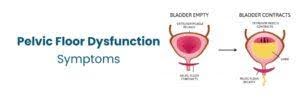
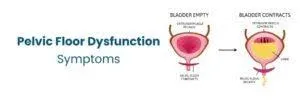
Pelvic Floor Dysfunction
The pelvic floor is a group of muscles and tissues that comprise a supportive base for the pelvic organs, namely the bladder, uterus, and rectum. These muscles hold the weight of these organs in place, assist in continence (urination and bowel movement control), and facilitate sexual function. A firm pelvic floor enables a woman to execute necessary functions with ease and comfort.
Yet, with age, the pelvic floor can weaken because of various causes, such as pregnancy and childbirth, aging, and even chronic constipation. When the pelvic floor muscles are weakened or damaged, they may no longer perform their functions as effectively, resulting in pelvic floor dysfunction, urinary incontinence, and other associated conditions.
Understanding Pelvic Floor Dysfunction
Pelvic floor dysfunction is a condition where the muscles at the base of the pelvis are either too tight, too weak, or damaged. Pelvic floor dysfunction can have a wide impact on a woman’s life, bringing discomfort to the individual as well as interfering with day-to-day activities. Pelvic floor dysfunction may not always be openly discussed, but it is a problem for many women.
Common types of pelvic floor dysfunction include:
Pelvic Organ Prolapse (POP): Pelvic organ prolapse happens when either one or all of the organs in the pelvic area, such as the rectum, uterus, or bladder, drop below or outside of the vaginal opening because of muscle weakening of the pelvic floor. Prolapse may result in a sensation of bulging into the vagina, urinary leakage, constipation issues, and the feeling of pelvic pressure.
Urinary Incontinence Treatment: Urinary incontinence refers to the involuntary leakage of urine, which may be minimal (a little dribble) or total loss of control. It is not an uncommon disorder, especially post-childbirth or menopause. The forms of urinary incontinence are stress incontinence (urination on coughing, sneezing, or exertion) and urge incontinence (sudden compelling need to pass urine, frequently leading to leakage).
Overactive Bladder: Overactive bladder (OAB) is a condition characterized by frequent urination urges, frequently with urinary incontinence. Women with OAB can have the need to urinate several times during the day and at night, which can disrupt daily activities and sleep. The condition is frequently associated with pelvic floor dysfunction and can be very uncomfortable and inconvenient.
Chronic Pelvic Pain: Chronic pelvic pain is another problem that can be caused by pelvic floor dysfunction and may result from tension or spasms in the pelvic floor muscles. Women with chronic pelvic pain may also have difficulty with intercourse, bladder function, or bowel movements.
Common Causes of Pelvic Floor Dysfunction
Several factors contribute to pelvic floor dysfunction. Some of the most common causes include:
Pregnancy and Childbirth: Pregnancy and vaginal delivery are two major causes of pelvic floor dysfunction. The pressure of the expanding baby may strain the pelvic floor, and the physical process of giving birth may stretch or rupture the muscles, making them weak.
Aging: With age, the pelvic floor muscles of women can weaken naturally, resulting in a loss of muscle strength and tone. Menopause, which causes estrogen levels to drop, can also result in thinning and weakening of pelvic floor muscles.
Obesity: Excess weight can put extra pressure on the pelvic floor muscles, leading to the onset of pelvic floor disorders like prolapse and incontinence.
Chronic Constipation: Straining during a bowel movement can place excessive pressure on the pelvic floor, possibly causing weakening and dysfunction of the muscles over the long term.
Heavy Lifting or High-Impact Exercise: Heavy lifting or high-impact exercise can add pressure to the pelvic floor, which can lead to injury to the muscles and tissues.
Genetics: There are some women who have a genetic tendency to develop pelvic floor problems. Inheritance can be a factor in the onset of pelvic floor dysfunction, particularly with prolapse or incontinence.
Signs of Pelvic Floor Dysfunction
Pelvic floor dysfunction can take many different forms. Women can look for the following symptoms:
A feeling of heaviness or bulging in the vagina
• A problem with controlling urination, causing leakage or frequent need for urination
• Painful or uncomfortable sex
• Pain in the lower back
• Trouble with bowel movements or constipation
• Chronic pressure or pain in the pelvic area
• Floating feeling as if the bladder or bowel is never fully empty
If any of these symptoms are present, it is essential to seek medical advice to prevent further complications and explore treatment options.
Why Pelvic Floor Health Should Be a Priority:
Prevention First:
Caring for your pelvic floor early can help ward off common problems like pelvic pain, urine leakage, and organ prolapse before they even start.
Better Daily Living:
A strong pelvic floor supports more ease and confidence in everyday activities—from workouts and intimacy to childbirth.
Lifelong Benefits:
Building a solid foundation now can lead to improved long-term health, lowering the chances of chronic issues tied to pelvic floor dysfunction.
Support Through Every Life Stage:
From adolescence to motherhood, menopause, and beyond, your pelvic floor goes through many changes. Keeping it healthy ensures steady support through each phase.
Informed and Empowered:
Learning about pelvic floor health gives women the tools to take charge of their bodies, promoting autonomy and overall well-being.
Pregnancy & Birth Ready:
Strengthening pelvic muscles helps prepare the body for pregnancy and delivery, easing labor and aiding a smoother postpartum recovery.
Boosted Physical Performance:
For those who are active or athletic, a well-conditioned pelvic floor improves stability, enhances performance, and helps prevent injuries during movement.
Prevention Strategies for Pelvic Floor Health
The brighter side is that pelvic floor dysfunction can usually be avoided or minimized through lifestyle modification. These are some of the methods of keeping the pelvic floor healthy:
Pelvic Floor Exercises (Kegels): Pelvic floor exercises, or Kegels, are the most effective means of strengthening pelvic floor muscles. Contraction and release of muscles that regulate urine flow enable women to enhance muscle tone and avert dysfunction.
Keep a Healthy Weight: Keeping a healthy weight decreases the strain on the pelvic floor and reduces the risk of prolapse and urinary incontinence. Regular exercise and a balanced diet can prevent excessive weight gain.
Prevent Chronic Constipation: Preventing constipation is essential for pelvic floor health. Consuming a high-fiber diet and drinking plenty of fluids can help maintain regular bowel movements and prevent straining.
Practice Proper Lifting Techniques: Proper technique in lifting heavy objects should be employed to prevent straining of the pelvic floor muscles. Lifting at the knees and not the waist helps ease pressure on the pelvic floor.
Restrict High-Impact Exertions: Exercise is necessary in general, but high-impact activities such as running or leaping may at times exert too much pressure on the pelvic floor. Low-impact sports such as swimming, walking, or cycling may be softer options.
Drink Adequate Fluids: Adequate hydration is necessary for general health, and consequently, pelvic floor functioning. Proper hydration enhances bladder function and minimizes the risk of urinary incontinence.
Latest Treatments for Pelvic Floor Dysfunction
For females suffering from pelvic floor dysfunction, there are many treatment options. These vary from conservative treatment to more complex medical interventions. The following are some of the newer treatments:
Physical Therapy: Physical therapy for the pelvic floor is among the most effective forms of treatment for pelvic floor dysfunction. A professional physical therapist can instruct exercises to help strengthen the pelvic floor and offer methods to minimize pain and discomfort. Biofeedback can also be employed to enable women to learn how to use their pelvic floor muscles effectively.
Electrical Stimulation: Electrical stimulation employs mild electrical impulses to stimulate and strengthen the pelvic floor muscles. This therapy may be beneficial for women with urinary incontinence or an overactive bladder.
Vaginal Pessaries: A vaginal pessary is a device that is placed inside the vagina to support the pelvic organs and alleviate the symptoms of pelvic organ prolapse. It is a non-surgical treatment that can effectively enable women to cope with prolapse symptoms.
Treatment for Overactive Bladder: For women experiencing overactive bladder, medications used to relax muscles in the bladder can ease repeated urges to void. These medicines are usually indicated when other measures are not helpful.
Surgery: In acute instances, an operation is necessary. Some of these include pelvic organ prolapse surgery, sling for urinary incontinence, or bladder neck suspension, which will yield permanent relief. These interventions restore or help hold the organs in place to improve the lives of women afflicted by this problem.
Minimally Invasive Procedures: Improved minimally invasive procedures, such as laparoscopic surgery and robot-assisted surgery, have become more accessible to women to receive pelvic floor repair with reduced recovery periods and lower risks.
Hormone Replacement Therapy (HRT): For women after menopause, hormone replacement therapy (HRT) can aid in reversing the loss of estrogen levels that help weaken the pelvic floor. HRT can increase vaginal elasticity, decrease dryness, and help maintain overall pelvic health.
Conclusion
Pelvic floor health is an often overlooked aspect of women’s wellness, but it plays a critical role in overall health, comfort, and quality of life. By prioritizing prevention strategies such as pelvic floor exercises, maintaining a healthy lifestyle, and seeking early treatment for symptoms, women can protect their pelvic floor from dysfunction and associated conditions.
Whether you are experiencing urinary incontinence, pelvic organ prolapse, or an overactive bladder, effective treatments are available. Advances in pelvic floor health research and treatment options ensure that women no longer need to suffer in silence. If you are concerned about pelvic floor dysfunction, consult with a healthcare provider to explore your options and regain control of your health.