
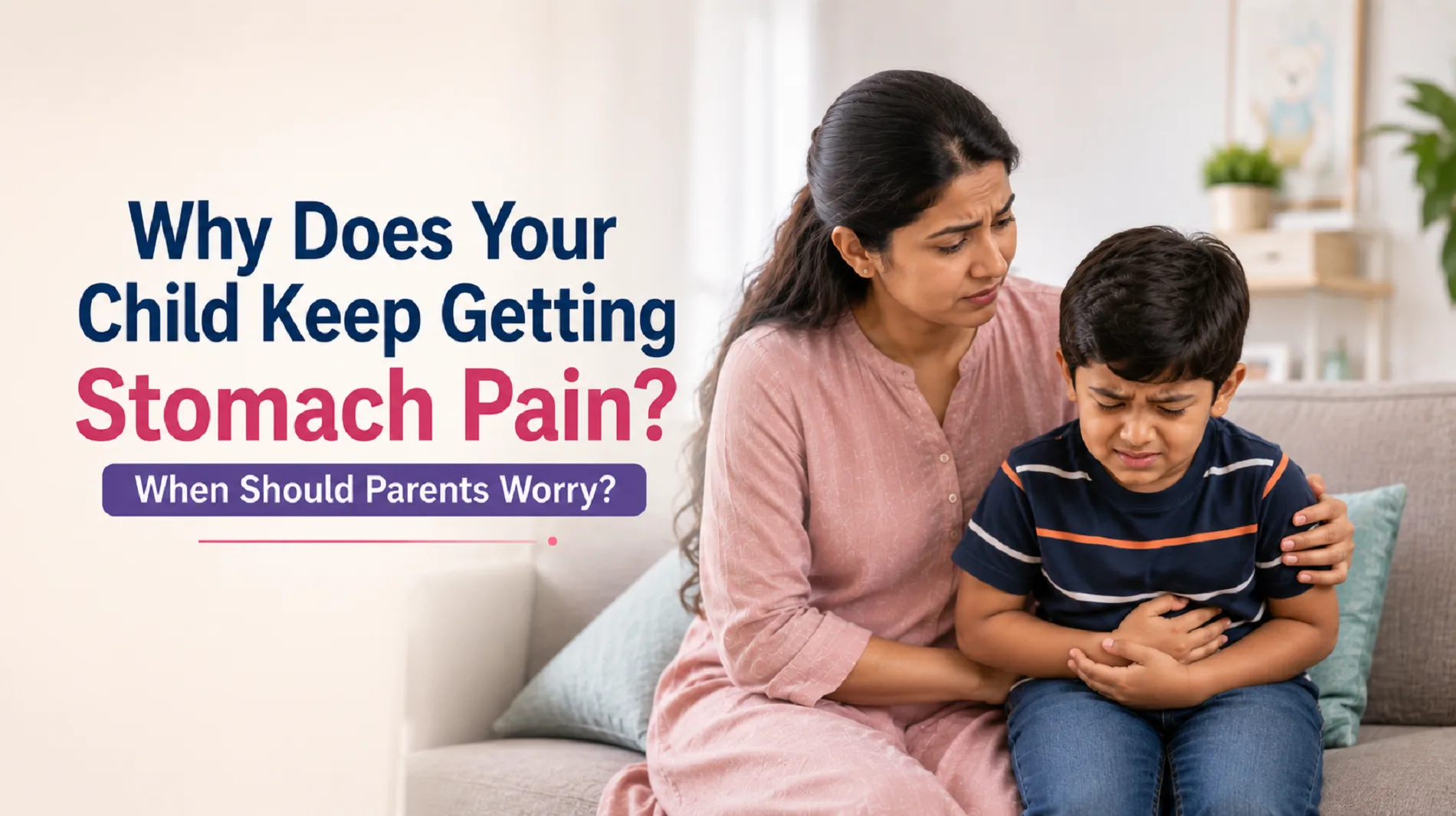
Why Does Your Child Keep Getting Stomach Pain? When Should Parents Worry?
Introduction
It is common for children to complain of stomach pain from time to time. While many episodes are caused by minor digestive issues and resolve on their own, frequent or recurring stomach pain should not be ignored. Repeated abdominal pain can interfere with a child's daily activities, appetite, school attendance, and overall well-being.
Understanding the possible causes and recognizing the warning signs can help parents know when simple home care is enough and when a medical evaluation is necessary.
Is Frequent Stomach Pain Normal in Children?
Occasional stomach pain is common and is often related to indigestion, constipation, viral infections, or dietary changes. However, if your child experiences stomach pain repeatedly over weeks or months, it may indicate an underlying digestive or medical condition that requires evaluation.
Keeping track of when the pain occurs, its location, associated symptoms, and dietary habits can provide valuable information for your pediatrician.
Common Causes of Frequent Stomach Pain in Children
1. Constipation
Constipation is one of the most common reasons children experience abdominal pain.
Signs include:
- Hard stools
- Infrequent bowel movements
- Pain while passing stools
- Bloating
- Reduced appetite
Increasing water intake, consuming fiber-rich foods, and encouraging regular toilet habits can often help. Persistent constipation should be evaluated by a doctor.
2. Functional Abdominal Pain
Some children experience recurrent stomach pain without an identifiable structural disease. This is known as functional abdominal pain.
It may be associated with:
- Stress or anxiety
- School-related concerns
- Changes in routine
- Increased sensitivity of the digestive system
Although the pain is real, it does not necessarily indicate serious disease.
3. Gastritis or Acid Reflux
Inflammation of the stomach lining or acid reflux can cause:
- Burning stomach pain
- Nausea
- Vomiting
- Pain after eating
- Heartburn in older children
Dietary modifications and appropriate medical treatment can help manage these conditions.
4. Food Intolerance
Some children may develop digestive symptoms after consuming certain foods.
Common triggers include:
- Lactose-containing dairy products
- Gluten (in children with celiac disease)
- Certain processed foods
Symptoms may include abdominal pain, bloating, diarrhea, or excessive gas.
5. Intestinal Infections
Bacterial, viral, or parasitic infections can lead to:
- Stomach cramps
- Loose stools
- Vomiting
- Fever
- Poor appetite
Most viral infections resolve with supportive care, but persistent symptoms should be evaluated.
6. Worm Infestation
Intestinal worms remain a common cause of abdominal discomfort in children.
Symptoms may include:
- Poor appetite
- Weight loss
- Itching around the anal region
- Abdominal pain
- Nutritional deficiencies
Regular deworming as advised by your pediatrician can help reduce the risk.
Warning Signs Parents Should Never Ignore
Seek immediate medical attention if your child has:
- Severe or worsening abdominal pain
- Pain localized to the lower right side of the abdomen
- Persistent vomiting
- Blood in vomit or stools
- High fever
- Significant weight loss
- Poor growth
- Difficulty swallowing
- Persistent diarrhea
- Pain that wakes the child from sleep
- Yellowing of the eyes or skin (jaundice)
These symptoms may indicate a more serious medical condition requiring prompt evaluation.
How Is Frequent Stomach Pain Diagnosed?
The doctor will begin with a detailed medical history and physical examination.
Depending on your child's symptoms, investigations may include:
- Blood tests
- Stool examination
- Urine tests
- Ultrasound abdomen
- X-rays (if required)
- Endoscopy in selected cases
Not every child requires extensive investigations. The evaluation is tailored to the child's symptoms and clinical findings.
How Is Frequent Stomach Pain Treated?
Treatment depends on the underlying cause.
It may include:
- Dietary modifications
- Increasing fiber and fluids
- Medicines for constipation or acid reflux
- Treatment for infections
- Deworming medication (when indicated)
- Stress management strategies
- Regular follow-up for chronic digestive conditions
Avoid giving painkillers or antibiotics without medical advice, as they may mask symptoms or worsen certain conditions.
Tips to Keep Your Child's Digestive System Healthy
Parents can help promote good digestive health by encouraging:
- A balanced diet rich in fruits and vegetables
- Adequate water intake
- Regular physical activity
- Eating meals on time
- Limiting junk food and sugary drinks
- Good hand hygiene
- Regular deworming as advised
- Healthy sleep habits
Simple lifestyle habits can go a long way in preventing many digestive problems.
When Should You Consult a Pediatric Gastroenterologist?
Consult a pediatric gastroenterologist if your child:
- Has recurrent stomach pain for several weeks
- Experiences poor weight gain or weight loss
- Has chronic constipation or diarrhea
- Frequently vomits
- Has blood in stools
- Has difficulty swallowing
- Complains of persistent abdominal pain despite treatment
- Has a family history of digestive disorders such as inflammatory bowel disease or celiac disease
Early diagnosis and treatment can help prevent complications and improve your child's quality of life.
Conclusion
Frequent stomach pain in children is not always a cause for alarm, but it should never be overlooked if it is persistent, severe, or associated with warning signs. Identifying the underlying cause early can help your child receive the right treatment and return to a healthy, active life.
If your child continues to experience recurrent abdominal pain, consult pediatrician for a comprehensive evaluation and personalized care.