Children falling sick frequently is one of the most common concerns among parents. Recurrent colds, coughs, fevers, throat infections, and stomach bugs can leave parents wondering whether their child has a weak immune system.
While it is normal for children to experience infections as their immune system develops, frequent illnesses can sometimes indicate nutritional deficiencies, allergies, environmental factors, or underlying medical conditions. Understanding what is normal and when to seek medical attention can help parents support their child's overall health and well-being.
What Is the Immune System?
The immune system is the body's natural defense mechanism against infections caused by viruses, bacteria, and other harmful microorganisms.
In children, the immune system continues to develop throughout the early years of life. Every infection helps the body build immunity and learn how to fight similar infections in the future.
This is why young children tend to experience more infections than adults.
Is It Normal for Children to Get Sick Frequently?
Yes. Frequent infections are often a normal part of childhood, especially during the first few years of life.
Children who attend daycare centers, preschools, or schools are exposed to many viruses and bacteria and may experience:
- Frequent colds
- Cough and fever episodes
- Sore throats
- Ear infections
- Seasonal viral illnesses
Many healthy children can have six to eight viral infections each year, particularly during their school-going years.
What Causes Frequent Illnesses in Children?
Several factors can contribute to recurrent infections in children.
Developing Immune System
Young children are still building immunity and may take time to develop resistance against common infections.
Poor Nutrition
A diet lacking essential vitamins, minerals, and proteins can affect immune function and make children more vulnerable to infections.
Inadequate Sleep
Sleep plays a crucial role in supporting the immune system. Children who do not get adequate sleep may experience frequent illnesses.
Exposure to Infections
Close contact with other children in schools, daycare centers, and playgrounds increases exposure to infectious organisms.
Allergies and Asthma
Conditions such as allergic rhinitis and asthma can cause symptoms that are often mistaken for recurrent infections.
Environmental Factors
Exposure to pollution, tobacco smoke, and poor indoor air quality can affect respiratory health and increase the risk of infections.
What Are the Signs of Low Immunity in Children?
While occasional infections are normal, certain signs may indicate an underlying immune-related concern.
Parents should watch for:
- Frequent or severe infections
- Recurrent pneumonia
- Persistent ear infections
- Slow recovery from illnesses
- Poor growth or weight gain
- Recurrent skin infections
- Frequent hospital admissions
- Need for repeated courses of antibiotics
These symptoms may require further medical evaluation.
Can Nutritional Deficiencies Affect Immunity?
Yes. Proper nutrition is essential for maintaining a healthy immune system.
Deficiencies in nutrients such as:
- Iron
- Zinc
- Vitamin D
- Vitamin A
- Protein
can weaken immune responses and increase susceptibility to infections.
A balanced diet is one of the most effective ways to support a child's immune health.
How Can Parents Improve Their Child's Immunity?
Provide a Balanced Diet
Include:
- Fresh fruits and vegetables
- Whole grains
- Protein-rich foods
- Dairy products
- Nuts and seeds (age-appropriate)
Encourage Adequate Sleep
Children require sufficient sleep according to their age for optimal growth and immune function.
Promote Physical Activity
Regular physical activity helps improve overall health and supports immune system development.
Maintain Good Hygiene
Simple practices such as regular handwashing can significantly reduce the spread of infections.
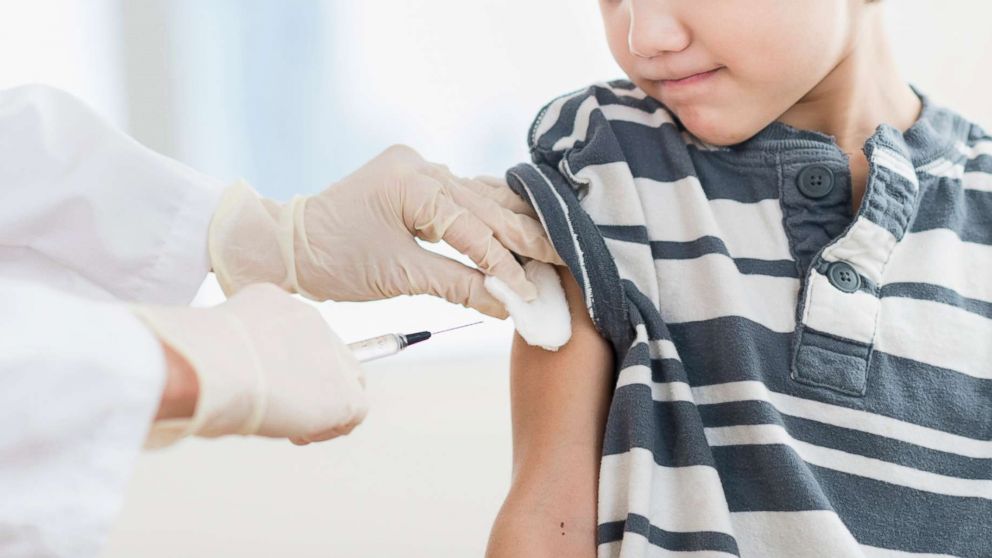
Keep Vaccinations Up to Date
Vaccinations play an important role in protecting children from serious infectious diseases.
Limit Exposure to Tobacco Smoke
Secondhand smoke can increase the risk of respiratory infections and weaken lung health.
When Should Parents Consult a Pediatrician?
It is important to seek medical advice if:
- Your child experiences unusually frequent infections
- Illnesses are severe or prolonged
- There is poor weight gain or growth
- Symptoms interfere with daily activities
- Recovery takes longer than expected
- You are concerned about your child's immunity
Early diagnosis can help identify any underlying conditions and ensure timely treatment.
Can Frequent Illnesses Be Prevented?
Although it is impossible to prevent all infections, healthy lifestyle habits can significantly reduce the risk.
Parents can help by:
- Encouraging healthy eating habits
- Ensuring adequate sleep
- Promoting regular physical activity
- Following recommended vaccination schedules
- Practicing good hygiene
- Scheduling routine pediatric check-ups
These measures help strengthen a child's immune system and support healthy growth and development.
Conclusion
Frequent illnesses are often a normal part of childhood as the immune system matures and learns to fight infections. However, recurrent or severe infections should not be ignored, especially when they affect a child's growth, development, or quality of life.
A healthy lifestyle, balanced nutrition, adequate sleep, and regular medical care can help support a strong immune system. If you are concerned that your child is getting sick too often, consult a pediatrician for a thorough evaluation and personalized guidance.