
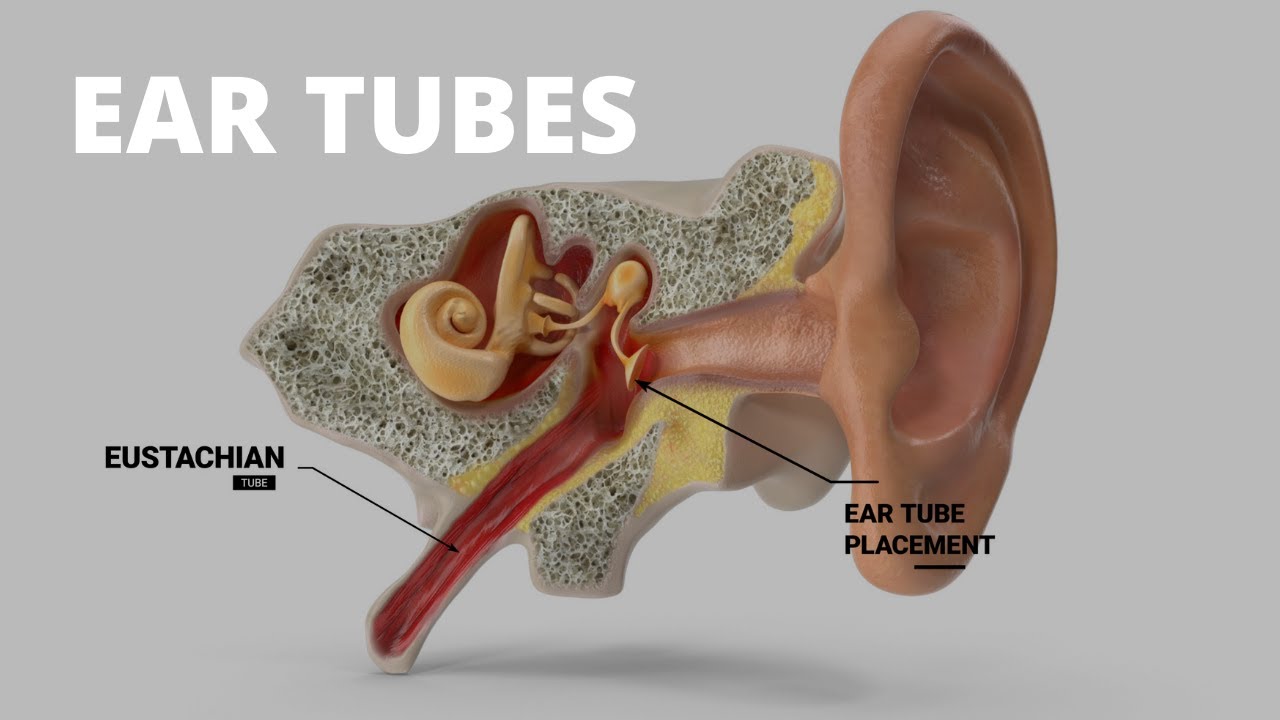
Ear infections are one of the most common reasons children visit a doctor. While many ear infections resolve with medication and time, some children experience repeated infections or persistent fluid buildup in the ears that can affect hearing, speech, and overall development. In such cases, ear tubes may be recommended as an effective treatment option.
Understanding when children need ear tubes can help parents make informed decisions about their child's ear health.
What Are Ear Tubes?
Ear tubes, also known as tympanostomy tubes or grommets, are tiny cylinders inserted into the eardrum through a minor surgical procedure. These tubes allow air to enter the middle ear and help drain fluid that may become trapped behind the eardrum.
The procedure is one of the most commonly performed surgeries in children and is generally safe, quick, and highly effective.
How Are Ear Tubes Inserted?
Ear tube placement is performed under general anesthesia and typically takes only 10 to 15 minutes. During the procedure, a tiny opening is made in the eardrum, any trapped fluid is gently removed, and small tube is inserted into the opening.
Most children go home the same day and return to normal activities within a day or two.
Are Ear Tubes Safe?
Ear tube surgery has an excellent safety record and is considered a routine pediatric procedure. In the vast majority of children, however, the eardrum heals naturally once the tube comes out, and the opening closes on its own without any long-term problems. Serious complications are uncommon, and for children with recurrent ear infections or persistent middle ear fluid, the benefits of ear tubes often outweigh the risks.
Why Do Children Need Ear Tubes?
Young children are particularly prone to ear infections because their Eustachian tubes, the small passages connecting the middle ear to the back of the throat, are shorter, narrower, and more horizontal than those of adults. This makes it easier for fluid to become trapped inside the middle ear.
Common factors that increase the risk of ear infections and fluid buildup in children include:
- Frequent colds and upper respiratory infections
- Allergies
- Exposure to tobacco smoke
- Daycare centers
- Family history of recurrent ear infections
- Enlarged adenoids
When fluid remains trapped for long periods or infections keep recurring, medical intervention may be necessary. Though not every ear infection requires ear tubes, here are some signs that indicate a child may require ear tubes:
Recurrent Ear Infections- Children who have multiple ear infections within a short period may benefit from ear tubes. Generally, tubes may be considered if a child has, three or more ear infections within six months, or four or more ear infections within one year.
Persistent Fluid Behind the Eardrum- Sometimes fluid remains in the middle ear even after an infection has cleared. This condition, known as otitis media with effusion, may persist for several months.
When fluid remains trapped for an extended period, it can affect hearing and increase the risk of future infections.
Hearing Difficulties- Fluid buildup can reduce a child's ability to hear clearly. Parents may notice that their child, frequently says “what?”, turns up the television volume, does not respond when called, or appears inattentive. Even mild hearing loss during early childhood can affect communication and learning and need to be addressed promptly.
Speech and Language Delays- Hearing plays a critical role in speech and language development. Children who cannot hear sounds clearly due to chronic middle ear fluid may experience delays in developing speech and language skills. In such situations, ear tubes can help restore hearing and support normal development.
Balance Problems or Ear Discomfort- Persistent middle ear issues can sometimes lead to balance difficulties, ear pressure, irritability, or poor sleep. Children who seem unusually uncomfortable or frequently tug at their ears should be evaluated by a specialist.
What Are the Benefits of Ear Tubes?
Ear tubes can provide several important benefits, including:
- Reduced frequency of ear infections
- Improved hearing
- Better speech and language development
- Improved sleep and comfort
- Reduced need for repeated antibiotic treatments
- Better quality of life for both children and parents
Many parents notice significant improvement in their child's hearing and overall well-being soon after the procedure.
How Long Do Ear Tubes Stay In?
Most ear tubes remain in place for six to eighteen months before falling out naturally as the eardrum heals. In most cases, no additional procedure is needed to remove them.
Regular follow-up visits with the pediatric ENT specialist help ensure the tubes are functioning properly and the ears remain healthy.
When Should Parents Consult a Pediatric ENT Specialist?
Parents should seek specialist evaluation if their child experiences frequent ear infections, persistent ear fluid, hearing concerns, speech delays, or ongoing ear discomfort. Early assessment and treatment can prevent long-term complications and support healthy hearing and development.
Every child is different, and the decision to place ear tubes is based on individual symptoms, hearing assessments, and medical history. A pediatric ENT specialist can determine whether ear tubes are the most appropriate solution for your child's needs.
Why Choose Ankura?
Ankura Hospital for Women and Children has the presence of a highly experienced team of pediatric ENT specialists dedicated to providing compassionate, child-centered care for infants, children, and adolescents. We offer advanced diagnostic and treatment facilities for a wide range of ear, nose, throat, airway, hearing, and sleep-related conditions, ensuring that every child receives personalized care tailored to their unique needs.
From managing recurrent ear infections, hearing concerns, and sinus problems to performing specialized procedures such as ear tube insertion, adenoidectomy, and tonsillectomy, our expert team delivers evidence-based care with a focus on safety and comfort. Our pediatric ENT specialists work closely with audiologists, pediatricians, speech therapists, and other specialists to provide comprehensive, multidisciplinary care under one roof.
At Ankura, we believe in a family-centered approach, ensuring parents are informed and involved at every stage of their child’s treatment journey. With state-of-the-art technology, child-friendly facilities, and round-the-clock pediatric support, Ankura is a trusted destination for comprehensive pediatric ENT care.