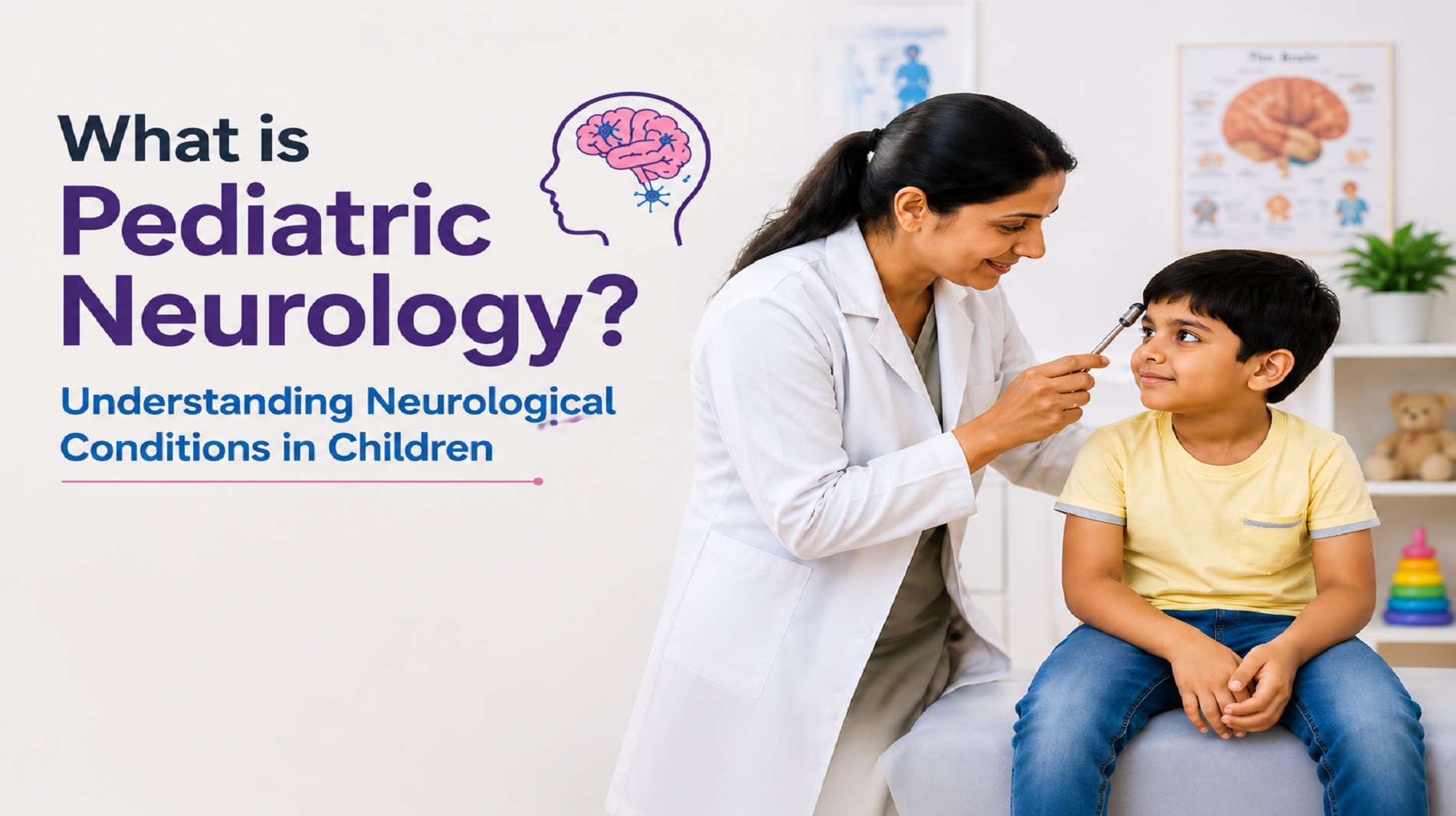
What is Pediatric Neurology? Understanding Neurological Conditions in Children
The brain, spinal cord, nerves, and muscles work together to help children move, think, learn, speak, and interact with the world around them. When there is a problem affecting any part of this complex nervous system, it can impact a child's growth and development. Pediatric neurology is a specialized branch of medicine dedicated to diagnosing and treating neurological disorders in infants, children, and adolescents.
Early recognition and timely treatment of neurological conditions can significantly improve a child's quality of life and long-term development.
What is Pediatric Neurology?
Pediatric neurology is the medical specialty that focuses on disorders affecting the nervous system in children. This includes the brain, spinal cord, peripheral nerves, and muscles. Pediatric neurologists are trained to evaluate developmental, behavioral, and neurological concerns unique to growing children.
These specialists manage both common and complex neurological disorders, working closely with pediatricians, rehabilitation therapists, psychologists, and other healthcare professionals to provide multidisciplinary care.
What are some common neurological conditions in children?
Neurological disorders can present differently depending on a child's age and stage of development. Some of the most common conditions include:
Epilepsy and Seizure Disorders
Seizures occur due to abnormal electrical activity in the brain. Children may experience staring spells, jerking movements, loss of consciousness, or unusual behaviors. Early diagnosis and appropriate medication can help control seizures and improve daily functioning.
Developmental Delay
Some children may take longer than expected to reach developmental milestones such as sitting, walking, talking, or interacting socially. A neurological evaluation helps identify the underlying cause and guides early intervention.
Cerebral Palsy
Cerebral palsy is a group of movement disorders caused by damage to the developing brain before, during, or shortly after birth. Children may experience muscle stiffness, poor coordination, or difficulty with movement and balance.
Headaches and Migraines
Frequent headaches or migraines can affect a child's school performance and daily activities. Pediatric neurologists help determine the cause and recommend effective treatment strategies.
Neuromuscular Disorders
Conditions affecting the muscles and nerves can lead to muscle weakness, delayed motor development, or difficulty walking. Early diagnosis helps improve outcomes through therapy and supportive care.
Autism Spectrum Disorder and ADHD
Although these conditions involve multiple specialties, pediatric neurologists often play an important role in evaluating children with developmental, behavioral, or neurological concerns.
Movement Disorders
Children may develop involuntary movements, tremors, tics, or coordination difficulties that require specialized neurological assessment.
Recognizing Early Warning Signs in Children
Parents know their child best, and recognizing early symptoms can lead to faster diagnosis and treatment. Consult a pediatric neurologist if your child experiences:
- Frequent or unexplained seizures
- Persistent headaches or migraines
- Delayed speech or motor milestones
- Difficulty walking or poor balance
- Muscle weakness or stiffness
- Loss of previously acquired skills
- Tremors or abnormal movements
- Poor coordination
- Learning difficulties associated with developmental delays
- Sudden changes in behavior or consciousness
Early medical evaluation can prevent complications and support better developmental outcomes.
Diagnostic Approaches for Children
Diagnosing neurological disorders requires a detailed assessment of the child's symptoms, medical history, developmental milestones, and physical examination. Depending on the suspected condition, the pediatric neurologist may recommend:
Neurological Examination
A thorough examination assesses muscle strength, reflexes, coordination, sensation, balance, and nerve function.
Developmental Assessment
The child's cognitive, language, motor, and social development are carefully evaluated to identify delays or abnormalities.
Electroencephalogram (EEG)
An EEG records the brain's electrical activity and is commonly used to diagnose epilepsy and seizure disorders.
Magnetic Resonance Imaging (MRI)
MRI provides detailed images of the brain and spinal cord to identify structural abnormalities, tumors, injuries, or congenital conditions.
Computed Tomography (CT) Scan
A CT scan may be recommended in emergency situations or to evaluate certain neurological conditions.
Genetic and Laboratory Testing
Blood tests and genetic studies can help diagnose inherited neurological disorders and metabolic conditions.
Nerve Conduction Studies and Electromyography (EMG)
These specialized tests evaluate nerve and muscle function in children with suspected neuromuscular disorders.
Treatment Options and Management Strategies
Treatment depends on the specific neurological condition, its severity, and the child's overall health. A personalized care plan may include:
Medications
Medicines are commonly used to control seizures, migraines, muscle spasticity, movement disorders, and other neurological symptoms.
Physical Therapy
Physical therapy improves muscle strength, coordination, flexibility, posture, and mobility.
Occupational Therapy
Occupational therapists help children develop skills needed for daily activities such as writing, dressing, eating, and self-care.
Speech and Language Therapy
Children with speech, swallowing, or communication difficulties benefit from specialized speech therapy.
Behavioral and Educational Support
Children with developmental disorders may require individualized educational plans, behavioral therapy, and psychological support.
Surgical Treatment
Certain neurological conditions, such as drug-resistant epilepsy or brain tumors, may require neurosurgical intervention.
Long-Term Follow-Up
Regular monitoring allows healthcare providers to adjust treatment plans as children grow and their needs change.
Conclusion
Pediatric neurological conditions can affect a child's physical, emotional, and cognitive development, but early diagnosis and timely intervention can make a significant difference. Recognizing warning signs, seeking specialist evaluation, and following an individualized treatment plan help children lead healthier and more fulfilling lives.
If your child experiences seizures, developmental delays, frequent headaches, muscle weakness, or other neurological symptoms, consult a pediatric neurologist without delay. Early care can improve developmental outcomes and enhance your child's quality of life.