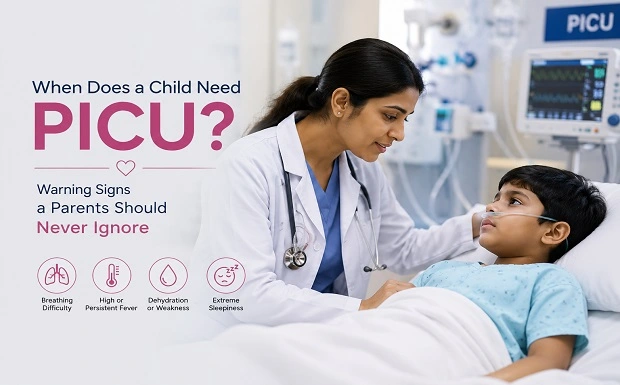
What Is a PICU and When Does a Child Need It?
Hearing that your child needs to be admitted to a Paediatric Intensive Care Unit (PICU) can be overwhelming for any parent. The unfamiliar environment, specialised equipment, and constant monitoring may seem intimidating. However, it is important to remember that a PICU is designed to provide the highest level of medical care for children with serious illnesses or injuries. It is a place where critically ill children receive round-the-clock attention from highly trained healthcare professionals, giving them the best possible chance of recovery.
What Is a PICU?
A Paediatric Intensive Care Unit (PICU) is a specialised hospital unit that provides intensive care for infants, children, and adolescents who are critically ill or have life-threatening medical conditions. Unlike a general paediatric ward, a PICU is equipped with advanced technology and staffed by a team trained to manage complex medical emergencies.
Children admitted to a PICU require close observation, specialised treatment, or life-support measures that cannot be provided in a regular hospital room. Every aspect of care, from monitoring vital signs to administering medications, is tailored to the child's specific condition.
Who Looks After Children in a PICU?
The care provided in a PICU involves a team of specialists working together to ensure the best possible outcomes.
- Paediatric intensivists: These are paediatricians who have received specialised training in the care of critically ill infants, children, and adolescents. They lead the PICU team, closely monitor the child's condition, make critical treatment decisions, and coordinate care with other specialists to ensure the best possible outcomes.
- Paediatricians
- Nurses trained in paediatric intensive care
- Anaesthesiologists
Apart from these a multidisciplinary team including other pediatric specialists including pediatric pulmonologists, gastroenterologists, neurologists, cardiologists, nutritionists, rehabilitation experts, and other experts monitor the specific requirements of the child as and when required. This collaborative approach ensures that every aspect of a child's medical condition is addressed promptly and effectively.
When Does a Child Need a PICU?
A child may require admission to the PICU when they are critically ill or need continuous monitoring and advanced medical support. Some common situations include:
- Severe respiratory illnesses: Children with severe pneumonia, bronchiolitis, acute asthma attacks, or other serious breathing difficulties may require ventilatory support or intensive respiratory monitoring.
- Serious infections: Life-threatening infections such as sepsis, meningitis, or severe viral infections can rapidly affect multiple organs and require intensive treatment and close monitoring.
- Major injuries or trauma: Children involved in road traffic accidents, falls, burns, drowning incidents, or other major injuries often need intensive care following emergency treatment or surgery.
- After a major surgery: Children undergoing complex surgeries, such as heart surgery, brain surgery, or organ-related procedures, may be monitored in the PICU until they are stable enough to move to a regular ward.
- Neurological emergencies: Conditions such as seizures that do not stop, traumatic brain injuries, encephalitis, or reduced consciousness often require specialised intensive care.
- Cardiac conditions: Children with congenital heart diseases, heart failure, or severe rhythm abnormalities may require advanced monitoring and life-support equipment.
- Poisoning or accidental overdose: Accidental ingestion of medicines, household chemicals, or poisonous substances may require intensive observation and treatment to prevent serious complications.
- Multi-organ dysfunction: Some illnesses affect several organs simultaneously, such as the heart, lungs, kidneys, or liver. These children often require highly specialised care available only in a PICU.
What Equipment Is Available in a PICU?
A PICU is equipped with advanced medical technology that allows healthcare teams to monitor and support critically ill children continuously. Every child admitted to the PICU does not require all of these equipment and devices. They are used based on the child's medical condition and individual treatment needs.
- Cardiac monitors to continuously track heart rate, blood pressure, oxygen levels, and breathing.
- Mechanical ventilators to assist children who cannot breathe adequately on their own.
- Infusion pumps for accurate delivery of medications and fluids.
- Dialysis support for children with severe kidney problems.
- Advanced monitoring systems that alert the medical team immediately if there is any change in the child's condition.
Although these machines may appear overwhelming, they are essential tools that help doctors detect problems early and provide timely treatment.
PICUs are often categorised into different levels based on the complexity of care they can provide. A Level III PICU offers the highest level of paediatric intensive care and is equipped to manage children with the most complex and life-threatening conditions.
What Can Parents Expect During a PICU Stay?
Having a child admitted to the PICU is emotionally challenging for families. While every hospital follows its own visitation policies, parents are usually encouraged to remain actively involved in their child's care whenever possible.
The medical team will regularly update parents about the child's condition, treatment plan, and progress. Parents are encouraged to ask questions and discuss any concerns they may have. Emotional support services, including counsellors and psychologists, may also be available to help families cope during this difficult time.
The length of stay varies depending on the child's illness, response to treatment, and recovery. Some children require intensive care for only a day or two, while others may need longer support before moving to a regular paediatric ward.
Can Children Recover After a PICU Stay?
Yes. Most children admitted to the PICU recover well and go on to resume their normal activities after receiving appropriate treatment. Recovery depends on several factors, including the underlying illness or injury, how quickly treatment was started, and the child's overall health.
Some children may require rehabilitation, physiotherapy, nutritional support, or follow-up care after discharge to help them regain their strength and continue their recovery.
Why Choose Ankura Hospital for Paediatric Critical Care?
At Ankura Hospital for Women and Children, our level III Paediatric Intensive Care Units are equipped with advanced critical care technology to manage a wide range of medical emergencies. Our experienced paediatric intensivists, paediatric specialists, skilled critical care nurses, respiratory therapists, and multidisciplinary support teams work together to provide comprehensive, compassionate, and evidence-based care. From advanced respiratory support to complex post-surgical management, we are committed to delivering timely interventions while keeping families informed and involved throughout their child's treatment journey. With the presence of all pediatric specialists under one roof Ankura Hospital for Women and Children offers comprehensive, multidisciplinary care for critically ill children, ensuring timely intervention and seamless coordination across specialties.