
Virtual Reality for Pediatric Pain Management: Innovative Pain Relief Solutions
Revolutionizing Pediatric Pain Management with Virtual Reality
Pain management in pediatric healthcare has always been a challenge due to emotional and psychological factors influencing children’s pain perception. The newer ways to control pain are proving revolutionary in pediatric treatments.
Any small or big medical procedure in children can be associated with anxiety and pain. From routine procedures like blood tests and vaccinations to dressing and cleaning a wound, the little children and their parents can get worried anticipating pain and discomfort. Traditional pain management techniques include the usage of pain medications. These pharmacological products which are chemicals, have limitations, including potential side effects and the risk of dependency. Virtual Reality (VR) in pediatrics has emerged as a revolutionary tool, offering innovative and non-invasive solutions for pediatric pain management.
Management of Pain in Children
Unlike adults, children may struggle to express their pain accurately, making it essential for healthcare providers to use specialized approaches tailored to their age and developmental stage.
Effective pediatric pain management includes a combination of pharmacological treatments, such as analgesics and anesthesia, and non-pharmacological interventions like distraction techniques and cognitive-behavioral therapy. Addressing both the physical and emotional aspects of pain, these approaches aim to reduce discomfort, improve recovery, and enhance the overall medical experience for children.
With advancements in technology and a growing focus on patient-centered care, pediatric pain management continues to evolve, ensuring that children receive compassionate and effective treatment that minimizes distress and promotes healing.
What is Virtual Reality?
Virtual Reality is an immersive technology that transports children into a computer-generated 3D environment. It engages multiple senses such as sight, sound, and motion. Through a VR headset and interactive simulations, children can engage in lifelike experiences within a digital world, making the virtual environment feel real. In healthcare, VR is now being used for pediatric pain management by providing engaging, distraction-based interventions for patients.
Specially designed virtual environments provide engaging and interactive experiences that help distract young patients from pain and anxiety. This distraction-based approach has gained significant traction and is proving to be an alternative to traditional pain management techniques.
How does VR work in Pediatric Pain Management?
The fundamental principle behind VR’s effectiveness in pediatric pain management is its ability to create a distraction that diverts a child’s attention away from painful stimuli. By engaging children in captivating virtual worlds, their focus shifts from the medical procedure or chronic pain they are experiencing to an enjoyable and immersive digital experience.
How does VR-induced pain Relief work medically?
Cognitive Distraction: The experiences that virtual reality games and experiences provide require active participation. This distracts the mind, thereby reducing the brain’s ability to process pain signals.
Immersion Effect: The immersive nature of VR deeply engages children; this helps in reducing their stress response and lowers their perception of pain.
Neurological Modulation: Studies suggest that VR can alter neural pathways related to pain perception. It thus reduces activity in areas of the brain associated with pain processing, such as the anterior cortex.
Emotional Regulation: Anticipation of pain and anxiety brings further pain and anxiety. VR can stimulate calming environments such as underwater exploration or animated landscapes, which can help children relax and in turn, make them calm and emotionally stable during treatments.
Endorphin Release: Engaging VR experiences can help increase the dopamine and endorphin levels in the body which naturally reduce pain and improve mood.
Applications of VR in Pediatric Healthcare
VR can be effectively used in many aspects of pediatric healthcare.
• VR in Acute Pain Management: VR has been highly effective in reducing pain during short-term medical procedures for children. Virtual environments serve as a powerful distraction, helping children focus on engaging visuals and interactive elements rather than the procedure itself. When a child wears a VR headset, they are transported into a captivating digital world, whether it’s swimming with dolphins, exploring space, or playing a game. This thus redirects their attention away from the pain and anxiety associated with needle procedures. Studies have shown that VR can significantly reduce distress, lower perceived pain levels, and improve cooperation, making procedures like drawing blood and IV placements smoother for both healthcare providers and young patients. Experience of vaccinations and other Injections can also be made less distressful for children with the use of VR.
• Burn and Wound Care: Deep wounds and burns can be significantly painful and the child can get unduly stressed when they are cleaned or bandaged. VR has been particularly successful in managing pain when handling such burns and wounds by transporting children into calming, interactive worlds.
• VR for Chronic Pain Conditions: Children suffering from chronic conditions such as juvenile arthritis, sickle cell disease, and fibromyalgia, etc can significantly benefit from VR therapy. Children with childhood cancers undergoing therapy can also benefit from VR. Here are some ways how it can help:
–Pain Desensitization: VR helps children gradually build resistance to pain by engaging cognitive distraction, emotional regulation, and other neurological mechanisms.
–Mindfulness and Relaxation: Virtual reality platforms can integrate guided breathing exercises, meditation, and calming landscapes to help children with chronic pain regulate their emotions and manage discomfort more effectively. Immersive VR programs can transport patients to serene environments, such as a peaceful beach or a quiet forest, where they follow relaxation techniques designed to lower stress and pain perception. These VR-based mindfulness interventions not only help in immediate pain relief but also equip children with coping strategies that improve their long-term resilience to chronic pain.
–Physical Therapy Support: VR-enhanced rehabilitation motivates children to engage in physical exercises that might otherwise be painful or tedious. VR can help create engaging, goal-oriented activities that encourage movement and muscle use.
• VR for Postoperative Recovery: Children too may be required to undergo surgical procedures, due to congenital conditions, trauma, infections, diseases, etc. The postoperative recovery in these children can be painful, however VR-assisted therapy can play a crucial role in making it better. How does VR help?
–By Reducing Pain Perception: VR experiences lessen the need for opioid analgesics by providing natural pain relief. The pharmacological side-effects of medicines like opioids can be completely avoided by the usage of VR.
–Encouraging Early Mobilization: Engaging in VR activities promotes movement, reducing complications like post-surgical stiffness.
–Lowering Anxiety and Stress: Calming VR environments support emotional well-being and speed up recovery.
• VR for Reducing Anxiety
Pain and anxiety are closely linked in pediatric patients. Above all VR technology aids in managing psychological distress related to medical treatments. How?
-Alleviating Preoperative Anxiety: VR experiences educate and familiarize children with medical environments before surgery, reducing fear and stress.
-Trauma Therapy: Interactive VR simulations assist children in processing past medical traumas and developing coping mechanisms.
–Behavioral Therapy for Autism and ADHD: VR platforms designed for children with autism spectrum disorder (ASD) provide social skill training and anxiety reduction exercises.
Advantages of Virtual Reality in Pediatric Pain Management
Non-Pharmacological Approach: VR reduces reliance on pain medications thereby eliminating its side effects and long-term risks.
High Engagement and Enjoyment: VR makes medical procedures more tolerable and even enjoyable for children.
Customizable Experiences: VR environments can be tailored to individual patient needs and medical conditions. Children can choose to experience what they like.
Enhanced Cooperation in Medical Procedures: Children who use VR show better compliance with treatments, leading to improved medical outcomes.
Challenges and Considerations in VR Implementation
 Challenges and Considerations in VR Implementation
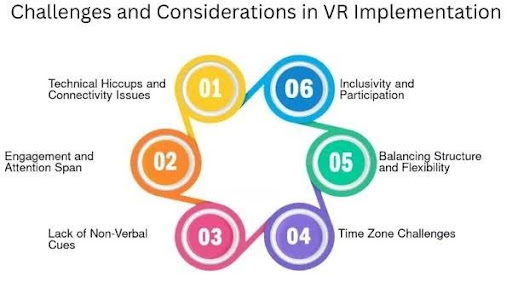
Despite its promising benefits, integrating VR into innovative pediatric treatments comes with certain challenges:
Cost and Accessibility: High-quality VR equipment and software development can impose additional charges for VR usage.
Need for Clinical Validation: VR is not used as widely yet, and thus more large-scale studies are necessary to standardize VR applications in medical settings.
Motion Sickness Concerns: Some children may experience dizziness or discomfort when using VR.
Future of Virtual Reality in Pediatric Medicine
 Revolutionizing Pain Relief: How Virtual Reality Is Transforming Pain Management?
The future of VR for children’s healthcare looks promising, with rapid advancements in technology leading to more refined and effective applications. Some exciting developments include AI-Driven Personalization which can help tailor VR experiences to match each child’s specific pain tolerance and emotional state. Integration of Augmented Reality which can complement VR by overlaying digital elements onto the real-world medical environment for a blended pain management approach. Moreover, in the near future portable medical devices can enable children to continue chronic pain management therapy at home under medical supervision.
Virtual Reality is transforming pediatric pain management by offering engaging, drug-free solutions that help children cope with pain and anxiety in medical settings. From acute pain relief during procedures to chronic pain therapy and mental health applications, VR has proven to be an invaluable addition to innovative pediatric treatments. As technology continues to evolve, Virtual Reality in pediatrics is set to revolutionize the way healthcare providers approach pain management, making medical experiences less traumatic and more comfortable for young patients. With continued research and widespread adoption, VR could become a standard tool in pediatric healthcare, ushering in a new era of patient-centered, technology-driven medicine.