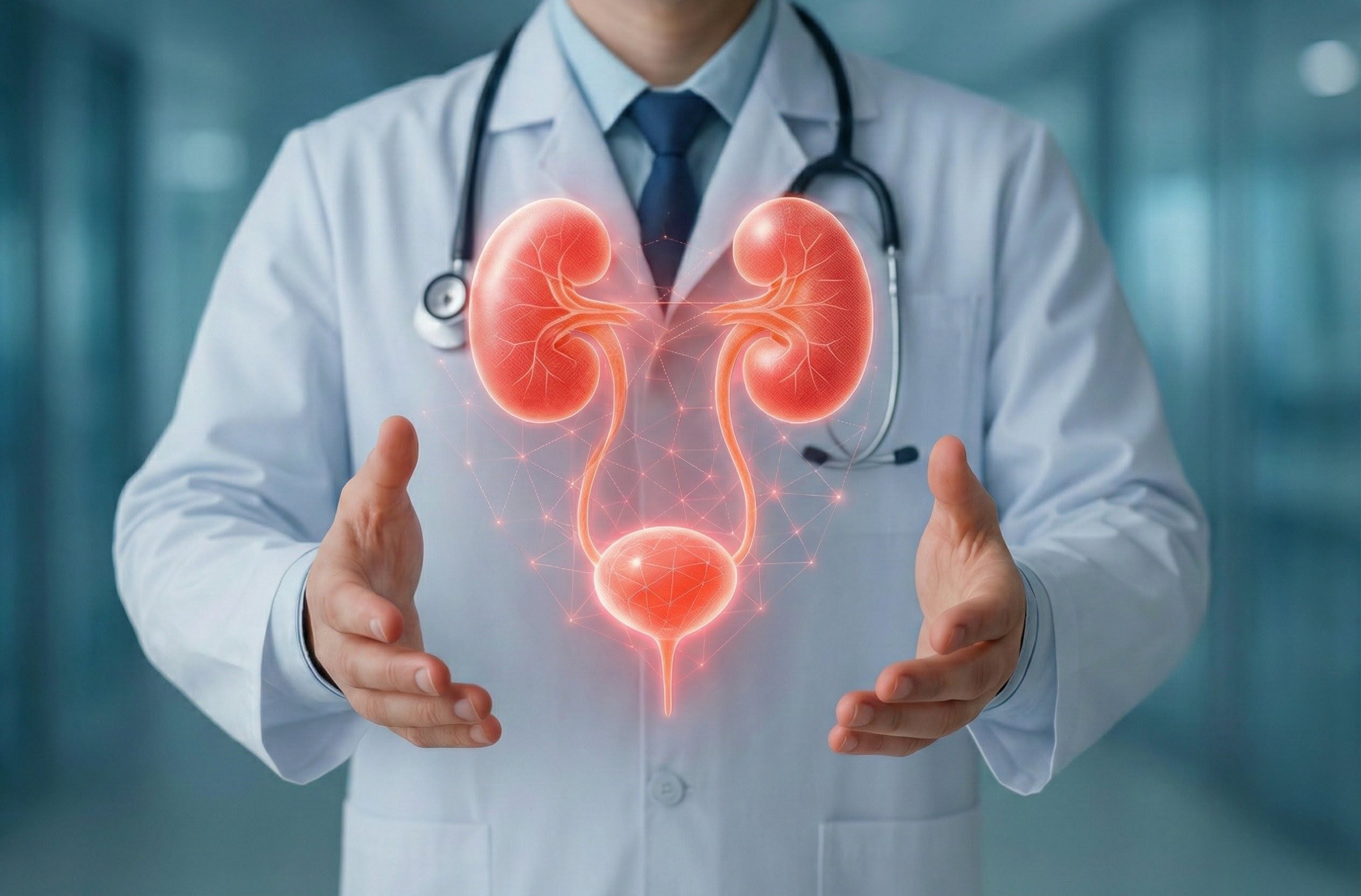
The urinary system plays a vital role in maintaining overall health by removing waste and balancing fluids in the body. When problems affect the kidneys, bladder, ureters, or urethra, specialized medical care becomes essential. This is where a urology hospital plays an important role.
Urology focuses on diagnosing and treating conditions affecting the urinary tract in both adults and children. Some conditions may be minor and easily managed, while others require advanced medical intervention or surgery. Understanding common urological conditions and available treatments can help patients seek timely care and prevent complications.
This guide explains the most common urological disorders, treatment options, and how choosing the right hospital can improve outcomes for both adults and children.
What Is a Urology Hospital?
A urology hospital specializes in diagnosing, managing, and treating disorders related to the urinary tract and male reproductive system. These hospitals are equipped with advanced diagnostic technology and experienced specialists who provide comprehensive care.
Services commonly offered include:
- Diagnosis of urinary disorders
- Treatment of kidney and bladder conditions
- Paediatric urology services
- Minimally invasive surgeries
- Management of congenital urinary tract abnormalities
- Follow-up and preventive care
Specialized hospitals ensure patients receive accurate diagnoses and personalized treatment plans.
Common Conditions Treated in a Urology Hospital
1. Urinary Tract Infections (UTIs)
Urinary tract infections are among the most common urological conditions. Symptoms may include:
- Burning sensation during urination
- Frequent urge to urinate
- Pelvic discomfort
- Cloudy or strong-smelling urine
Early treatment helps prevent infection from spreading to the kidneys.
2. Kidney Stones
Kidney stones develop when minerals crystallize and form hard deposits inside the kidneys. They can cause:
- Severe back or side pain
- Nausea and vomiting
- Blood in urine
- Difficulty urinating
Treatment depends on the size and location of the stone. Smaller stones may pass naturally, while larger stones may require medical procedures.
3. Bladder Disorders
Several conditions can affect bladder function, including:
- Overactive bladder
- Urinary incontinence
- Bladder infections
- Bladder stones
Proper evaluation helps identify the underlying cause and determine the best treatment approach.
4. Congenital Urological Conditions in Children
Some children are born with abnormalities affecting the urinary tract. These conditions often require evaluation by a paediatric urologist.
Common Paediatric conditions include:
- Vesicoureteral reflux (VUR)
- Hypospadias
- Undescended testicles
- Ureteropelvic junction obstruction
- Congenital kidney abnormalities
Early diagnosis and treatment support healthy development and reduce long-term complications.
5. Urinary Obstruction
Blockages within the urinary system can interfere with normal urine flow and lead to infections or kidney damage.
Symptoms may include:
- Difficulty urinating
- Weak urine stream
- Pain during urination
- Frequent infections
Timely treatment helps restore normal urinary function.
The Role of a Paediatric Urologist
Children with urinary tract disorders often require specialized care from a paediatric urologist. Paediatric urology differs significantly from adult urology because children have unique developmental and anatomical needs.
A paediatric urologist manages:
- Birth defects affecting the urinary system
- Recurrent urinary infections
- Bedwetting issues
- Kidney and bladder abnormalities
- Paediatric urinary tract obstructions
Parents searching online for a Paediatric urologist near me should choose a hospital with dedicated Paediatric specialists and child-friendly facilities.
Advanced Diagnostic Services in Urology
Accurate diagnosis is essential for effective treatment. A modern urology hospital typically offers:
Ultrasound Imaging: Used to evaluate kidneys, bladder, and urinary tract abnormalities.
Urine Analysis: Helps detect infections, kidney disease, and other urinary conditions.
Urodynamic Testing: Measures bladder function and urine flow.
CT and MRI Scans: Provide detailed images for diagnosing complex conditions.
Endoscopy: Allows doctors to examine the urinary tract using specialized instruments.
These technologies help specialists identify problems early and develop targeted treatment plans.
Treatment Options Available in Urology Hospitals
Medication Management
Many urological conditions can be treated effectively with medications, including:
- Antibiotics for infections
- Medications for overactive bladder
- Pain management therapies
- Stone dissolution treatments
Minimally Invasive Procedures
Modern urology increasingly uses minimally invasive techniques that reduce recovery time and improve patient comfort.
Examples include:
- Endoscopic stone removal
- Laser treatments
- Catheter-based procedures
These treatments often allow patients to return to normal activities sooner.
Surgical Interventions
Some conditions require surgery for long-term resolution.
Common procedures include:
- Kidney stone surgery
- Bladder reconstruction
- Correction of congenital abnormalities
- Ureteral surgeries
Experienced specialists ensure procedures are performed safely and effectively.
When Should You Visit a Urology Hospital?
Seek medical attention if you experience:
- Persistent urinary pain
- Frequent urinary infections
- Blood in urine
- Difficulty urinating
- Kidney stone symptoms
- Recurrent bedwetting in older children
- Congenital urinary abnormalities
Early intervention often leads to better outcomes and fewer complications.
Choosing the Right Urology Hospital
When selecting a urology hospital, consider:
- Availability of experienced specialists
- Paediatric urology expertise
- Advanced diagnostic technology
- Comprehensive treatment options
- Patient reviews and reputation
- Emergency support services
Hospitals with multidisciplinary teams can provide coordinated care for both routine and complex conditions.
Ankura Hospital: Advanced Paediatric Urology Care for Children
At Ankura Hospital, we understand that urinary tract disorders can affect a child’s health, development, and quality of life. Our dedicated team includes experienced paediatric urologists who specialize in diagnosing and treating a wide range of Paediatric urological conditions. From congenital abnormalities and recurrent urinary infections to advanced surgical procedures, we provide comprehensive care under one roof.
As a trusted urology hospital, Ankura combines advanced diagnostic technology, child-friendly facilities, and evidence-based treatments to deliver exceptional outcomes. Our multidisciplinary approach ensures that every child receives personalized care tailored to their unique needs. With compassionate support, modern infrastructure, and expert specialists, Ankura Hospital remains a trusted destination for Paediatric urology and comprehensive child healthcare.