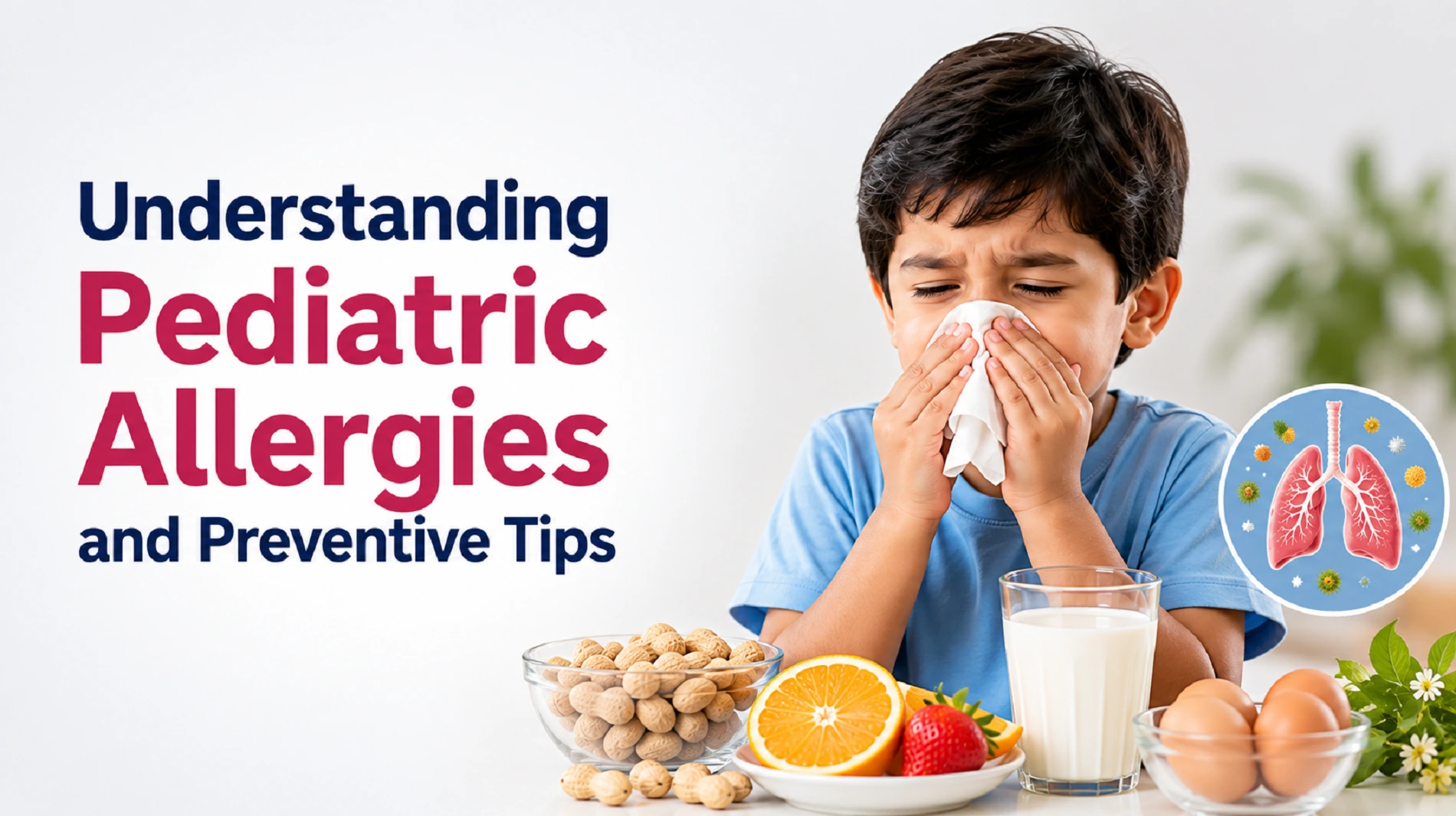
Understanding Pediatric Allergies and Preventive Tips
Allergies can affect any child, but children from families with a history of allergies are more likely to experience them. Since it’s impossible for parents to control absolutely everything that their child is exposed to or eats, parents should instead focus on monitoring their child for symptoms.
Understanding the causes, symptoms, diagnosis, and prevention of pediatric allergies can help parents take timely action and ensure their child's health and safety.
What are pediatric allergies?
Pediatric allergies are immune system reactions that occur when a child's body mistakenly identifies a harmless substance as harmful. In response, the immune system releases chemicals such as histamine, leading to allergy symptoms.
Allergies can occur at any time; however, they are more prevalent among children who have a family background of allergies, asthma, or eczema. It is possible for children to outgrow some allergic reactions as they grow older while others may persist to their adulthood. Some common allergens include pollen, dust mites, pet dander, specific foods, insect bites, drugs, and mold.
Common types of pediatric allergies
Food Allergies
Food allergy is one of the most common types of allergies in children. They are when the child’s immune system mistakes certain foods for harmful substances and triggers an allergic reaction. Even a trace amount of the allergenic food can result in symptoms ranging from mild itching, rashes on the skin or even a severe reaction that requires immediate medical attention.
Common food allergens in children include milk, eggs, peanuts, tree nuts, soy, wheat, fish and shellfish. Symptoms may occur within minutes to several hours after eating the food. Parents should watch how their child reacts to new foods and consult a pediatrician if they suspect food allergies.
Respiratory Allergies
Respiratory allergies are conditions of the nose, throat and lungs often triggered by airborne allergens in the environment. These allergies are more prevalent in school-age children and can have a significant impact on daily activities, quality of sleep, and school performance.
Typical triggers include pollen, dust mites, mould spores and pet dander. Children with respiratory allergies may suffer from persistent sneezing, nasal congestion, itchy eyes and coughing. If respiratory allergies are not treated effectively, in some cases they can make asthma symptoms worse and cause breathing problems.
Skin Allergies
Skin allergies are another common form of pediatric allergies and can cause discomfort due to persistent itching and irritation. Conditions such as eczema, hives, and contact dermatitis are often seen in children with allergic tendencies.
These reactions may be triggered by allergens, harsh soaps, detergents, certain fabrics, environmental factors, or even specific foods. Identifying and avoiding triggers is an important step in managing skin allergies and preventing flare-ups.
Insect Sting Allergies
Some children develop allergic reactions to insect stings from bees, wasps, ants, or other insects. While most stings cause only temporary pain and swelling, allergic children may experience more severe symptoms such as widespread swelling, hives, or breathing difficulties.
Medication Allergies
Medication allergies occur when the immune system reacts adversely to certain medicines. Antibiotics are among the most commonly reported causes of medication allergies in children. Symptoms may include skin rashes, itching, swelling, or, in rare cases, serious allergic reactions.
If a child develops unusual symptoms after taking a medication, parents should consult a pediatrician before administering the medicine again.
What are the signs and symptoms of pediatric allergies?
The signs and symptoms of pediatric allergies can vary depending on the allergen involved and the part of the body affected.
Respiratory Symptoms
Children with respiratory allergies may experience frequent sneezing, a runny or blocked nose, itching in the nose or throat, and persistent coughing. Some children may also develop wheezing or shortness of breath, particularly if allergies trigger or worsen asthma. These symptoms are often associated with allergens such as pollen, dust mites, mold, and pet dander.
Skin Symptoms
Allergies can also affect the skin and cause noticeable discomfort. Common skin-related symptoms include red, itchy rashes, dry or inflamed skin, and hives. Some children may develop swelling around the face, lips, or eyelids after exposure to certain foods, medications, or environmental allergens.
Digestive Symptoms
Food allergies often cause digestive symptoms in children. After consuming an allergenic food, a child may experience nausea, vomiting, stomach pain, abdominal cramps, or diarrhea. These symptoms can appear within minutes or a few hours after eating the trigger food and may vary in severity from one child to another.
Eye Symptoms
Children with allergies often experience eye-related symptoms, especially during seasonal allergy periods. Their eyes may become itchy, red, watery, or irritated. Frequent rubbing of the eyes is another common sign of allergic reactions and may occur alongside sneezing and nasal congestion.
Severe Allergic Reaction (Anaphylaxis)
In rare but serious cases, pediatric allergies can lead to anaphylaxis, a severe allergic reaction that requires immediate medical attention. Symptoms may include difficulty breathing, swelling of the throat or tongue, severe wheezing, dizziness, a sudden drop in blood pressure, and loss of consciousness. Because anaphylaxis can progress rapidly and become life-threatening, parents should seek emergency medical care without delay if these symptoms occur.
Diagnosis of pediatric allergies
Diagnosing these allergies involves a detailed medical history, physical examination, and, often, allergy tests like skin prick or blood tests.
Management of pediatric allergies
The treatment of pediatric allergies depends on the type and severity of the allergic reaction. The primary goal is to identify and avoid known allergens whenever possible. Depending on the symptoms, the pediatric allergist may recommend antihistamines, nasal sprays, inhalers, or medicated creams to provide relief and control allergic reactions.
Parents should follow the prescribed treatment plan carefully and seek medical advice before giving any allergy medication to their child. With proper diagnosis, treatment, and preventive measures, most children with allergies can effectively manage their symptoms and enjoy a healthy, active life.
Preventive tips for pediatric allergies
While not all pediatric allergies can be prevented, the following measures can help reduce exposure to common allergens and lower the risk of allergic reactions:
- Maintain a clean home environment by regularly dusting, vacuuming, and washing bedding.
- Minimize exposure to dust, pollen, mold, and other environmental allergens.
- Keep pets out of the child's bedroom if pet allergies are suspected.
- Read food labels carefully and avoid foods that trigger allergic reactions.
- Inform schools, caregivers, and family members about your child's allergies.
- Encourage regular handwashing and changing clothes after outdoor activities.
- Promote a balanced diet, adequate sleep, and regular physical activity to support overall health.
- Avoid exposure to cigarette smoke and other air pollutants that can worsen allergy symptoms.
- Follow the pediatrician's advice regarding allergy medications and management plans.
- Schedule regular medical follow-ups if your child has persistent or severe allergies.
Conclusion
Pediatric allergies are common and can affect children in various ways, from mild skin irritation to severe allergic reactions. Recognizing the symptoms early, identifying allergy triggers, and following appropriate preventive measures can significantly reduce the impact of allergies on a child's daily life.
Parents play a crucial role in managing allergies by maintaining a safe environment, monitoring symptoms, and seeking timely medical care. With proper diagnosis, treatment, and preventive strategies, most children with allergies can lead healthy, active, and comfortable lives.