Tuberculosis (TB) is an infection that many parents think of as an adult disease. But children get TB too and sometimes it can go faster in young children. The problem is that TB in children may not always come as the usual illness that we wait for. A child may seem sluggish, lose weight slowly or cough constantly. Knowing the early signs and how TB is spread can help parents get medical care sooner.
What Is TB and How Does It Spread?
TB is caused by a bacterium called Mycobacterium tuberculosis. It mainly affects the lungs but can spread to other parts of the body including lymph nodes, brain, bones and spine.
TB spreads through the air when a person with infectious TB of the lungs or throat coughs, speaks or sneezes. The risk of transmission is generally higher in enclosed spaces with poor ventilation.
Importantly, exposure to TB does not mean that children will develop TB disease. Some children may be infected with TB, but have no TB symptoms. This is called inactive or latent TB infection. Children do not have active TB disease and cannot pass TB to others. You may be offered preventative treatment to try to stop you developing active disease.
What Are the Early Signs of TB in Children?
TB symptoms in children are similar to symptoms of common childhood infections and can be difficult to diagnose. Warning signs are cough lasting more than two weeks, ongoing fever, poor appetite, unexplained weight loss or failure to gain weight as expected.
Parents may also notice a child is more tired, less playful or not as energetic as usual. Night sweats can occur too. In younger children, a noticeable change in playfulness or activity may sometimes be more obvious than a prolonged cough.
Not every child with these symptoms has TB. Cough and fever are common in childhood for many reasons. What matters is whether the symptoms persist, keep returning or occur alongside poor growth or a history of TB exposure.
Why Is TB More Concerning in Young Children?
Younger children below the age of five are prone to developing active TB in the post-infection phase. Additionally, they might be more prone to developing severe forms of disease such as TB meningitis and disseminated TB.
This is why a child who has been in close contact with someone with TB should not just be watched at home, even if they look completely well. Screening for contact can find children who need additional testing or preventive treatment.
Can TB in Children Be Prevented?
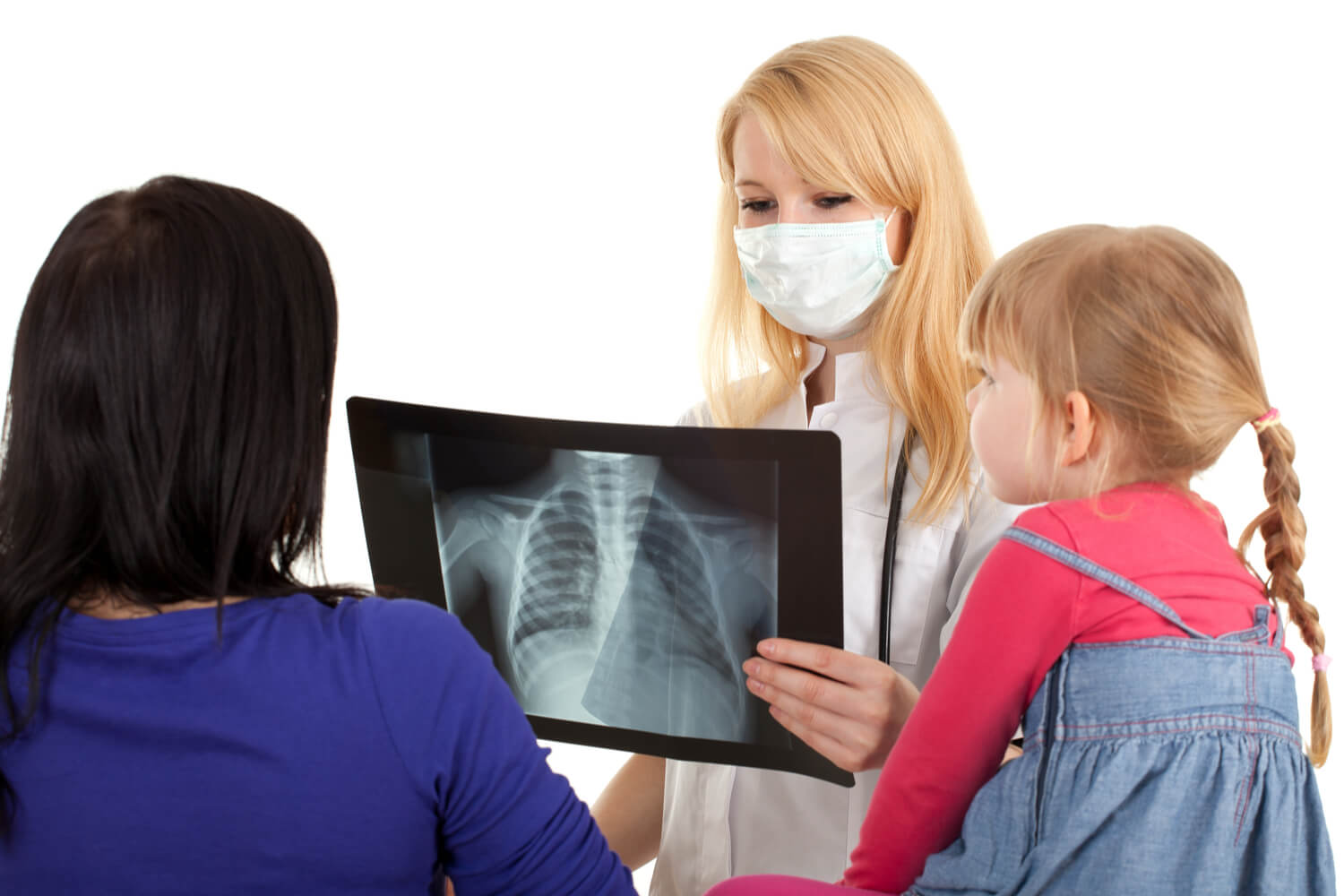
Yes, and prevention begins with identifying exposure early. If someone in the household has infectious TB, children and other close contacts should be evaluated according to medical and public-health recommendations. Depending on the child's age, symptoms, exposure and test results, the doctor may recommend TB testing, chest imaging and, when appropriate, preventive treatment.
BCG vaccine is another important component of childhood TB prevention in countries with high TB prevalence, including India. BCG does not protect against all forms of TB but does afford important protection against the severe forms of TB in infants and young children particularly TB meningitis.
Good ventilation and avoiding prolonged exposure to infectious TB in enclosed spaces can also reduce the risk of transmission. If a family member has active TB, following the treating doctor's advice about infection-control measures and completing the prescribed treatment is important.
When Should Parents See a Pediatric Pulmonologist?
If your child's cough lasts for more than two weeks, fever continues without a clear explanation, weight gain slows, or your child becomes unusually tired or less playful, it is worth speaking with a pediatrician. Medical attention is especially important if your child has been in close contact with someone with TB.
A Pediatric Pulmonologist can evaluate persistent respiratory symptoms and determine whether TB or another lung condition could be responsible. If TB is suspected, the doctor may recommend appropriate testing rather than relying on symptoms alone.
Conclusion
TB does not always announce itself with dramatic symptoms in children. Sometimes, the first clues are surprisingly simple—a child who has stopped gaining weight, is less playful than usual or has a cough that just won't settle. Early evaluation is particularly important after known exposure to TB because young children can develop serious disease more quickly. With vaccination, timely contact screening, preventive treatment when indicated and appropriate medical care, many serious consequences of childhood TB can be prevented.
Why Choose Ankura?
Ankura Hospitals' Pediatric Pulmonology services focus on the diagnosis and management of respiratory and lung conditions in infants, children and adolescents. The team takes a child-centred approach to evaluating symptoms such as persistent cough, breathing difficulties and recurrent respiratory infections. With access to specialised pediatric services and a multidisciplinary team, Ankura aims to provide comprehensive care for children while supporting parents through evaluation, treatment and follow-up.