
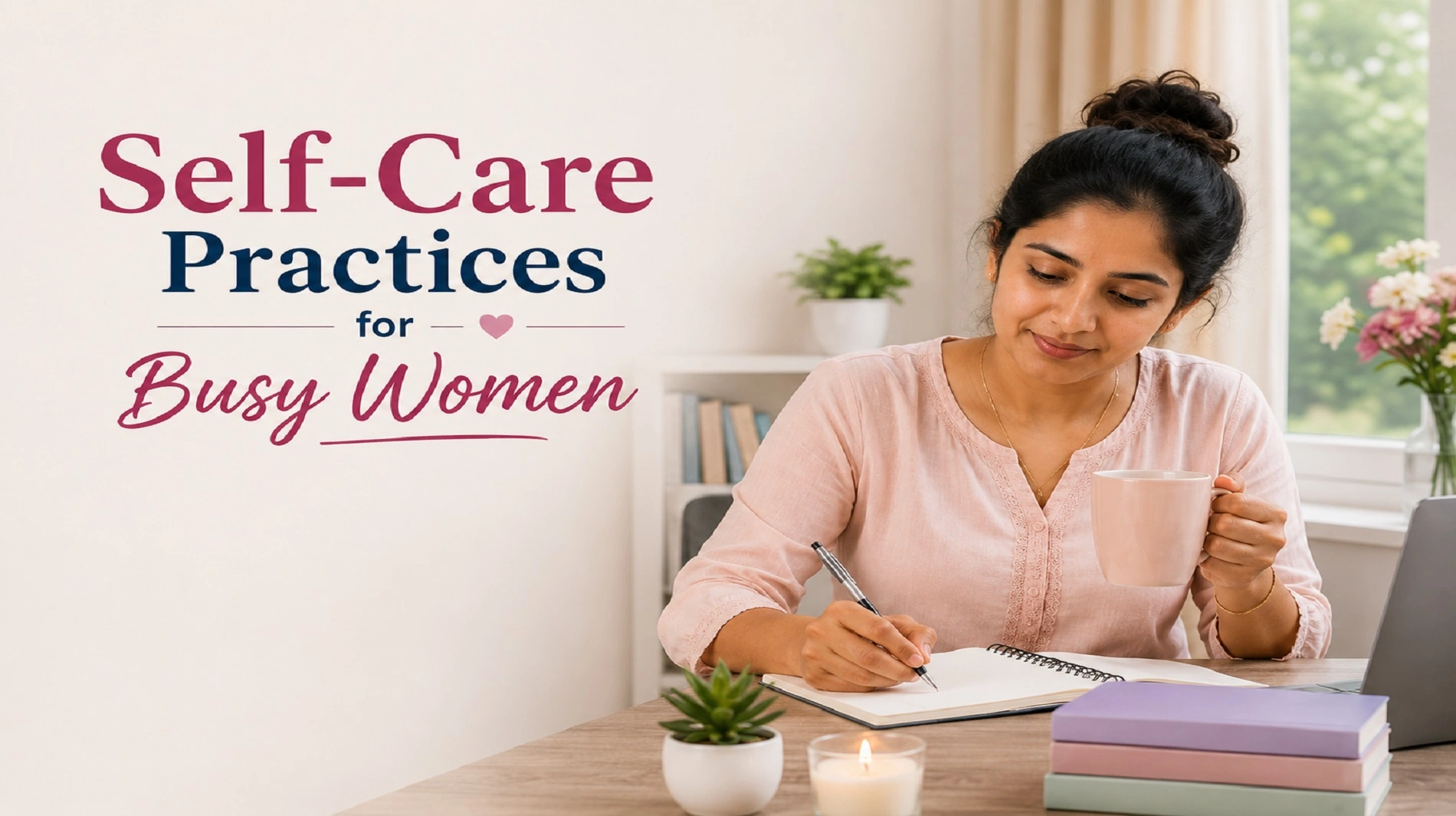
Self-Care Practices for Busy Women
Today women are generally busy due to the fast-paced world and are juggling between work, family, household chores and personal commitments. Most women daily prioritize caring for others over caring for themselves, but they are often remiss in caring for their own physical and emotional health. This can lead to tiredness, stress, burnout and even long-term health problems over time. Self-care isn’t selfish; it’s about taking care of your health so you can continue to care for yourself and others. Simple self-care practices can make a world of difference to your health and well-being. Including them in your daily routine can help you live a balanced and healthy life.
Introduction to Self-Care for Women
Self-care means the deliberate activities people do in order to take care of their physical, mental and emotional health. Women’s self-care isn’t about those occasional moments of pampering or taking a day off. This means developing healthy habits, managing stress, getting preventive health screenings, and focusing on emotional wellbeing.
There are several stages in a woman’s life that are unique to women: puberty, pregnancy, motherhood, menopause, and aging.
All stages demand attention and care for the different health needs. Self-care is key to reducing your risk of chronic disease, increasing your energy, supporting your hormones, strengthening your immune system and improving your emotional resilience.
When women make self-care part of their everyday lives, they are more equipped to handle life’s daily challenges in a way that safeguards their health and quality of life.
The Importance of Prioritizing Physical Well-Being
Physical health is the basis of good health. Women who are concerned about their physical health tend to have more energy, be more productive, and be more emotionally balanced.
A healthy diet is an important aspect of good health. A healthy diet of whole grains, lean proteins, fruits and vegetables, healthy fats and plenty of fluids helps your body to function at its best. Reducing intake of processed foods, excess sugar and unhealthy fats also lowers the risk of obesity, diabetes and heart disease.
Active living is equally important. Do moderate exercise for at least 150 minutes a week. Walking, cycling, swimming, yoga or strength training are good choices. Regular exercise can help you build cardiovascular health, build muscles and bones, improve flexibility and reduce stress. And exercise triggers endorphins that naturally increase your mood.
Another important aspect of self-care is getting enough sleep. Most adults need 7 to 9 hours of good-quality sleep each night. Poor sleep may influence the regulation of hormones, immunity, concentration and emotional well-being. Getting enough sleep can go a long way to overall well-being.
Never forget the importance of preventive healthcare. Regular health checks, cervical cancer screening, breast checkups, immunizations and regular visits to a gynecologist help in the early detection of possible health issues and promote lifelong health.
Tips for Self-Care Practices
You don't need to take self-care to the extreme. The best long-term results are small, consistent habits.
Start by setting aside a little time for yourself each and every day, even if it’s only a few minutes. A book, some music, a little meditation, and a quiet cup of tea can all be precious moments of relaxation.
Stress management is also equally important. Deep breathing, mindfulness, journaling and yoga can help to decrease anxiety and build emotional resilience. Learning to set healthy boundaries and say “no” when necessary, can also help you avoid exhaustion, both physical and emotional.
Staying socially connected with family and friends benefits mental health. Sharing worries, getting emotional support and spending quality time with loved ones helps to cut feelings of isolation.
Women should also take care of their reproductive health, by keeping a track of their menstrual cycle and talking to a health care professional about any unusual symptoms and getting regular gynecological check-ups. Never ignore any hormonal changes, irregular periods, pelvic pain or fertility issues.
In the end, maybe the most crucial aspect of self-care is to be self-compassionate. Don’t be perfect. Remember that you must take care of yourself so that you can take care of others.
Conclusions
Self-care is a lifelong commitment to your physical, mental and emotional well-being. Simple lifestyle choices such as eating balanced diets, exercising, getting enough sleep, managing stress levels and attending regular health screenings can go a long way to making a difference in overall health. Self-care is not a luxury; it is an investment in your long-term health. Adding self-care to your routine can improve your health, your confidence and your quality of life at any age.
Why choose Ankura?
At Ankura Hospital for Women and Children we believe that women’s health is not just about treating illness; it is about promoting lifelong wellness through preventative, personalized, evidence-based care. We are a team of experienced obstetricians, gynecologists, fertility specialists and allied healthcare professionals. We provide a range of services from routine health check-ups, reproductive care and pregnancy management to menopause support. Ankura’s mission is to empower women to put their health first, and to live healthier, happier lives, powered by advanced technology and a patient-first approach.