
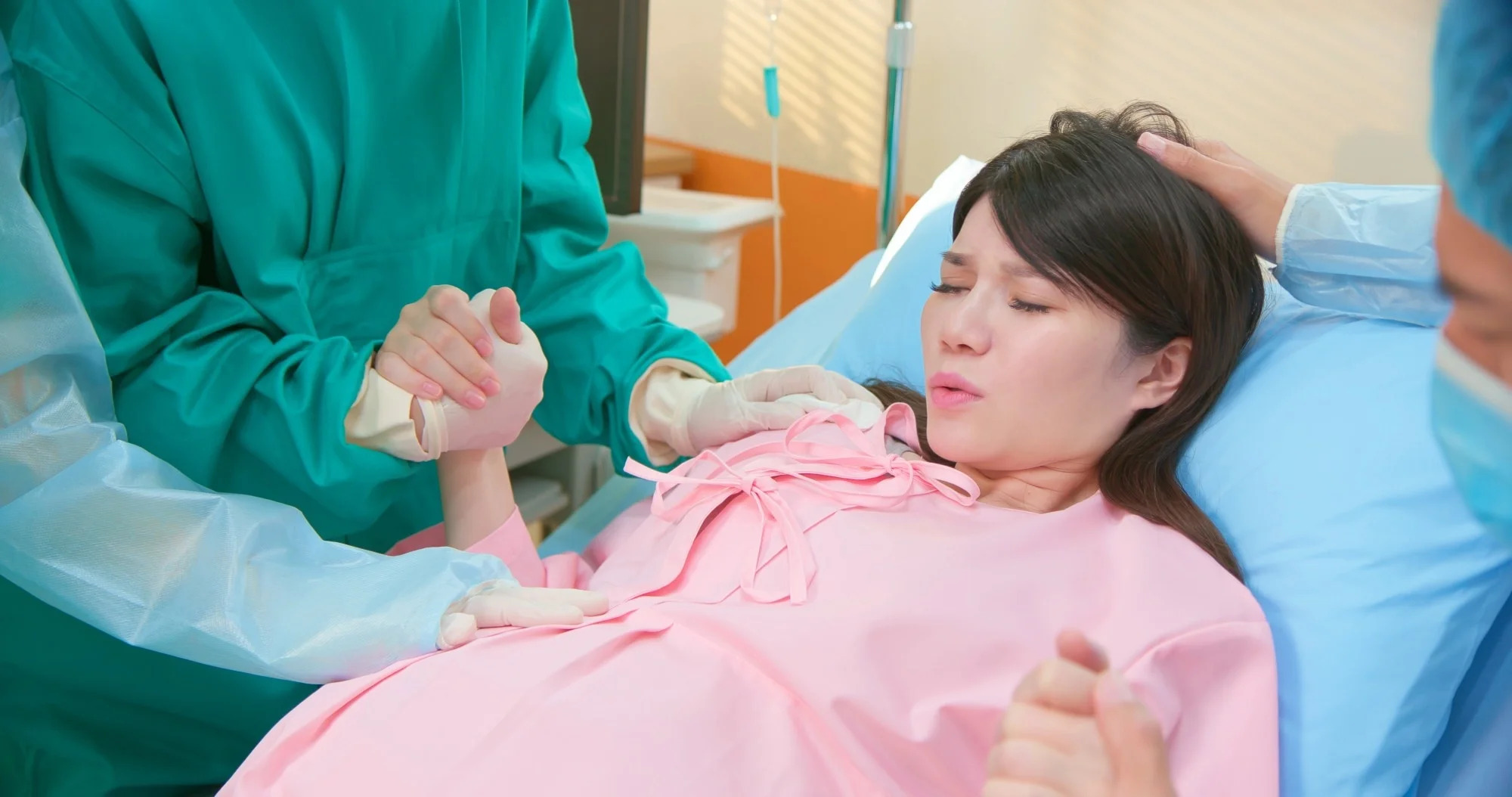
Preparing for labor is an important part of pregnancy. As the due date approaches, many expectant mothers may feel a mix of excitement, anticipation, and anxiety about childbirth. While labor is different for every woman, understanding what to expect and preparing physically and emotionally can help you approach the experience with greater confidence.
Labor preparation involves more than packing a hospital bag. Staying physically active, learning about the stages of labor, practicing relaxation techniques, discussing your birth preferences, and having a supportive birth partner can all help you feel more prepared.
It is also important to remember that birth may not always go exactly as planned. Being informed and flexible can help you make decisions and adapt to changes during labor with the guidance of your healthcare team.
What Are the Stages of Labor?
Understanding the stages of labor can help reduce uncertainty and prepare you for what may happen during childbirth.
First Stage of Labor
The first stage begins when regular contractions start and ends when the cervix is fully dilated. It is generally divided into early labor, active labor, and transition.
Early labor involves the contractions that start off mild and then become progressively more intense and frequent. The cervix dilates through the process of labor, while active labor involves more intense and closer contractions.
Second Stage of Labor
This second phase starts once the cervix is fully dilated and ends when the baby is born. The labor pain experienced in this phase helps to push the baby down the birth canal. Your doctors will help you know when to push.
Third Stage of Labor
This phase begins when the baby is born and ends with the delivery of the placenta. Though this is the shortest of the three phases, you will still be under the close supervision of the medical professionals.
Physical and Emotional Strategies for Labor Preparation
As you get prepared physically and mentally for pregnancy, you may gain confidence during labor. It is necessary to consult your obstetrician regarding any physical preparation and exercise.
Stay Physically Active
For many healthy pregnancies, regular, moderate physical activity can support overall fitness and help maintain strength and stamina. Walking, prenatal yoga, swimming, and pregnancy-safe exercises may be beneficial when approved by your healthcare provider.
Learn About Labor and Birth
Understanding contractions, cervical dilation, pain-relief options, and the stages of labor can make the experience feel less unfamiliar. Consider attending childbirth education classes or discussing your questions with your obstetrician.
Practice Breathing and Relaxation Techniques
Slow breathing, relaxation techniques, mindfulness, and visualization might help you relax during the contractions. Learning to do so before the actual delivery will make it much simpler to employ them in the future.
Prepare for Different Pain-Relief Options
Labor pain is unique to each person. Learn more about all the different choices you have, which include breathing and relaxation techniques, mobility and positioning, massage, and pain relief medications such as an epidural. This way, you will be ready for your moment to come.
Focus on Emotional Well-Being
Feeling nervous about childbirth is common. Talking openly about your concerns with your partner, family, childbirth educator, or healthcare provider can help reduce anxiety. If you experience persistent or overwhelming emotional distress during pregnancy, discuss it with your healthcare provider.
Create a Flexible Birth Plan
The birth plan could serve as a means to indicate your preferences in matters concerning labor, anesthesia, birthing positions, and post-delivery care. Nonetheless, birth may not always go as planned. A flexible birth plan helps you change your preferences, if necessary, due to your health condition or that of your baby.
Get Enough Rest and Eat a Balanced Diet
Adequate rest and a balanced pregnancy diet support the overall health and energy levels. Follow your healthcare provider's advice about nutrition, hydration, supplements, and physical activity as you approach your due date.
The Important Role of Your Partner
A supportive partner can play an important role during labor preparation and childbirth. Emotional support is needed in order to reassure the expectant mother and not make her feel alone.
The preparation stage involves attending antenatal classes and having a discussion with the partner about the wishes of the woman concerning childbirth, as well as what kind of labor and what complications it might bring and how they should be handled, including the pain relief methods.
Moreover, it is important for the partner to realize that labor may be rather unpredictable. Staying calm, supportive, and flexible will make all the difference.
Conclusion
Labor preparations involve making yourself physically and mentally ready for childbirth. Familiarize yourself with the various phases of labor, be physically active whenever possible, learn how to relax, know how to relieve the pains of labor, remain emotionally stable, and create an adaptable birthing plan to prepare yourself.
Most importantly, remember that every labor experience is unique. Discuss your concerns, preferences, and questions with your obstetrician so you can make informed decisions throughout pregnancy and childbirth. With the right preparation and support, you can approach labor with greater confidence and reassurance.