Pregnancy is a time when your body needs a little extra help to keep you healthy as your baby develops and grows. A healthy diet in pregnancy gives the energy, protein, vitamins and minerals you need to help maintain your health and that of the developing fetus. It can also lower the risk of nutritional deficiencies and pregnancy-related complications.
A healthy diet in pregnancy doesn’t mean a complicated diet or “eating for two." Instead, try to eat a varied, balanced and safe diet to provide you and your baby with the nutrients you need.
What Are the Essential Nutrients for Pregnant Women?
Some nutrients are more important than others in pregnancy. Folic acid is important for the development of the fetus, and can help to lower the chances of neural tube defects. Iron can help to prevent anemia in pregnant women and to produce the extra blood needed during pregnancy. WHO recommends daily iron and folic acid supplementation during pregnancy, with the dose determined according to individual and population needs.
Protein helps the growth of the baby’s tissues and calcium and vitamin D help healthy bones and teeth. Iodine is important for thyroid function and fetal brain development. Other micronutrients such as zinc, vitamin B12 and vitamin C also play a role in overall maternal and fetal health.
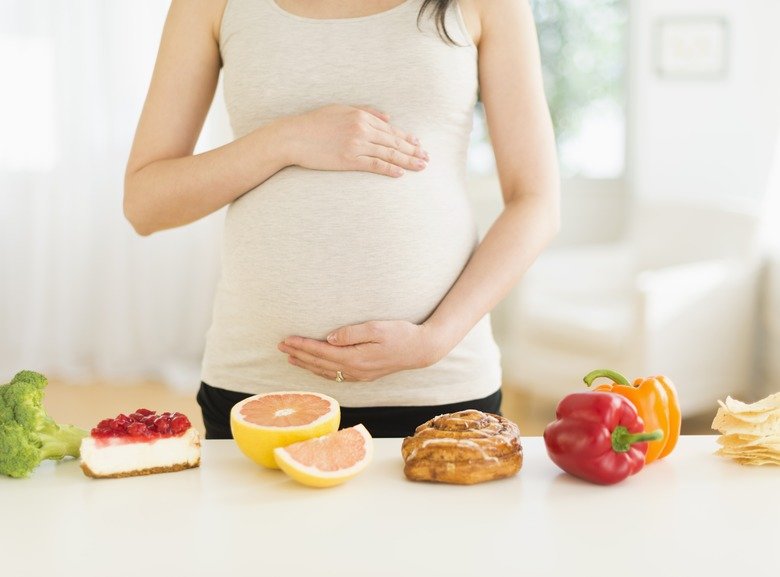
A healthy diet for pregnancy consists of vegetables, fruit, whole grains, pulses, nuts and seeds, dairy or alternatives and protein foods such as eggs, legumes, fish or lean meat. The precise nutritional requirements will vary with the mother’s health, dietary habits and stage of pregnancy.
What Foods Should You Avoid During Pregnancy?
Pregnant women need to take extra care with food safety because some infections and contaminants can affect the mother or developing baby. Pregnancy is a time to stay away from foods that are raw or not cooked thoroughly, especially raw or undercooked meat, poultry, eggs and seafood. Unpasteurised milk and dairy products should also be avoided because of the risk of harmful infections.
Wash fruits and vegetables well. Store and prepare food appropriately. Some fish may have higher mercury levels so it is important to select fish with lower mercury levels and follow your local dietary recommendations. Alcohol should be avoided during pregnancy. Caffeine intake should also be discussed with the treating healthcare professional, particularly if consumption is high.
It is equally important not to become overly restrictive. Pregnancy nutrition should provide adequate calories and nutrients rather than unnecessary food exclusions.
Dietary Recommendations and Meal Planning
A practical pregnancy meal plan can be built around variety rather than strict rules. Try to incorporate a protein source, fruits or vegetables, whole grains or other nutrient-dense carbohydrates and healthy fats into your meals and snacks. Drinking adequate fluids is also important, particularly during hot weather or when experiencing vomiting.
Morning sickness, heartburn, constipation or a reduced appetite can make eating difficult during pregnancy. Smaller, frequent meals may be easier to manage than large meals. If nausea is severe, weight gain is inadequate or you are unable to keep food or fluids down, speak with your obstetrician rather than attempting to manage the problem through dietary changes alone.
Nutritional supplements may be recommended during pregnancy, but they should be taken according to medical advice. Some supplements, particularly high-dose vitamin preparations, are not appropriate for everyone. Your obstetrician can recommend supplements based on your diet, blood tests and individual pregnancy needs. WHO also emphasises counselling on healthy eating as an important part of antenatal care.
Conclusion
Good nutrition during pregnancy is about nourishing both mother and baby with a balanced, varied and safe diet. Nutrients such as folic acid, iron, protein, calcium, iodine and vitamin D have important roles, while safe food preparation helps reduce the risk of foodborne infections. Rather than following generic pregnancy diets found online, discuss your nutritional needs with your obstetrician, particularly if you have anaemia, diabetes, severe nausea, dietary restrictions or another medical condition.
Obstetrics & Gynecology at Ankura
Ankura Hospitals offers obstetrics and gynecology services, providing women with the support they need during pregnancy through antenatal monitoring, medical advice and personalized care. Nutrition is an important facet of a healthy pregnancy and the obstetrics team can help women understand their individual dietary and supplementation needs in conjunction with routine maternal and fetal monitoring. With experienced specialists, supporting diagnostic services and a patient-centred approach, Ankura aims to provide coordinated care throughout pregnancy, childbirth and the postpartum period.