
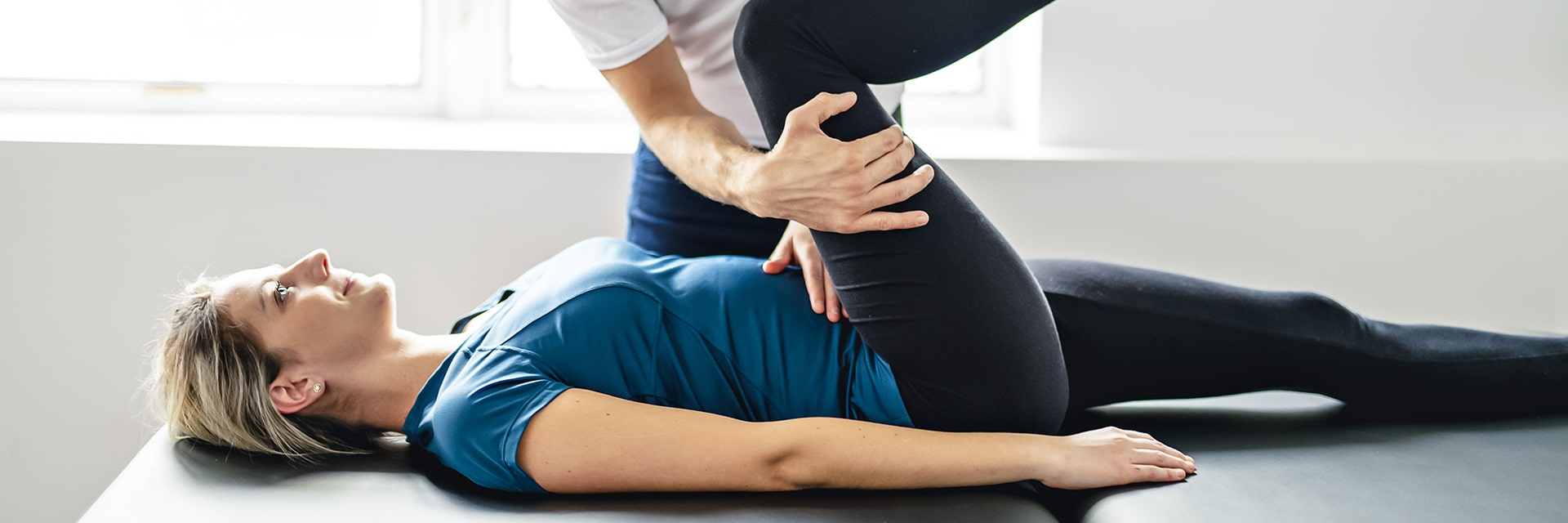
The pelvic floor is a group of muscles and connective tissues that support the bladder, bowel and reproductive organs. These same muscles also help you control when you pass urine and stool. The importance of pelvic floor health is often overlooked until symptoms such as urine leakage, pelvic pressure or difficulty controlling the bladder begin to affect everyday life.
Pregnancy, childbirth, aging, hormonal changes, obesity, chronic constipation and repeated heavy straining can increase the risk of pelvic floor problems. But pelvic floor dysfunction is not necessarily a part of ageing or motherhood. Maintaining healthy habits and doing the right pelvic floor exercises can help muscle strength and function stay healthy. Pelvic floor muscle training is recommended by evidence-based guidelines for the prevention of pelvic floor dysfunction and as an important first-line treatment of some types of urinary incontinence.
What Are the Common Pelvic Floor Disorders?
Pelvic floor disorders affect women in many different ways. Urinary incontinence, or involuntary urine leakage, is one of the most frequent problems. Stress urinary incontinence can cause leakage when you cough, sneeze, laugh, exercise or lift something heavy. Some women may instead experience urgency, where there is a sudden and difficult-to-control need to urinate.
Another condition is pelvic organ prolapse. This is when the muscles and tissues that support one or more pelvic organs weaken and the organs fall. It may cause a feeling of heaviness or pressure in the pelvis, a sensation of something bulging from the vagina, or urinary difficulties or discomfort during daily activities.
Pelvic floor dysfunction can also be associated with bowel-control problems and, in some women, sexual difficulties or pelvic discomfort. Symptoms can vary considerably, so an individual assessment is important rather than assuming that every pelvic floor problem has the same cause.
Exercises for Strengthening the Pelvic Floor
Pelvic floor muscle exercises, commonly known as Kegel exercises, involve repeatedly contracting and relaxing the muscles that support the pelvic organs. When performed correctly and consistently, pelvic floor muscle training can improve muscle strength and help reduce symptoms of stress or mixed urinary incontinence. Supervised pelvic floor muscle training is recommended as a first-line approach for women with these forms of incontinence.
To identify the muscles, imagine trying to prevent passing urine or gas. The muscles that gently tighten are part of the pelvic floor. Once identified, they can be contracted for a few seconds and then relaxed, gradually increasing the duration and repetitions as strength improves. However, repeatedly stopping urine flow during actual urination is not recommended as an exercise.
Technique matters as much as consistency. Avoid tightening the abdomen, thighs or buttocks excessively or holding your breath. Women who are unsure whether they are exercising correctly may benefit from guidance from a healthcare professional or pelvic floor physiotherapist. Pelvic floor exercises should also be tailored to individual needs, as some women have muscles that are weak, while others may have an overly tight pelvic floor.
When to Seek Professional Help?
Pelvic floor symptoms should not simply be accepted as a normal consequence of pregnancy, childbirth or ageing. Consult a gynaecologist or pelvic floor specialist if urine leakage is persistent, you frequently experience a sudden urge to urinate, feel pelvic pressure or notice a vaginal bulge. Professional assessment is also appropriate if pelvic floor exercises do not improve symptoms or if exercises cause pain.
Early evaluation can help identify the underlying problem and determine whether pelvic floor training, bladder or bowel management, physiotherapy, medication or another treatment approach may be appropriate.
Conclusion
Good pelvic floor health can support bladder and bowel control, pelvic organ support and overall quality of life. Regular pelvic floor muscle training, healthy lifestyle habits and timely medical evaluation can help prevent or manage many pelvic floor problems. Most importantly, symptoms such as urine leakage or pelvic pressure should not be ignored or considered something women simply have to live with.