
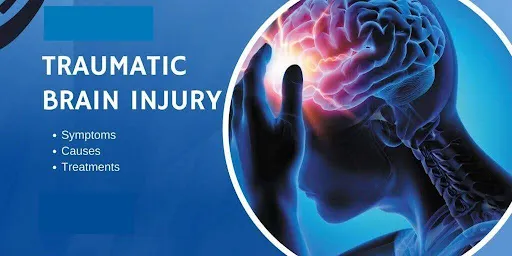
Pediatric Traumatic Brain Injury: Signs and Treatment
The brain is the most important organ of the body and is protected in a strong bony structure. Children owing to their mobility and soft skulls are often prone to injuries of the brain which can range from mild to severe.
What is a Pediatric Traumatic Brain Injury?
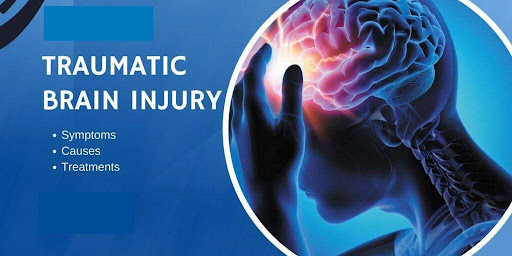
The term “traumatic brain injury” encompasses a wide range of symptoms, from minor to severe. These injuries, which can range from bumps and bruises to concussions, skull fractures, and more severe brain damage, happen when the head is struck directly or indirectly. Common causes include falls from heights, fall of objects on the child, road traffic accidents and swing injuries to name a few. The main factors that determine the extent of injury are the force of impact, height of fall, surface of impact and velocity of the impact.
These symptoms can range from brief loss of consciousness, seizures, fractures of skull and facial bones, eye injury, bleeding, stroke, pressure effect on brain and coma. Associated injuries of other structures should be looked for. Infections, deformities, prolonged seizures are late complications.
External wounds
Nausea or vomiting
Fatigue or drowsiness
Dizziness
Difficulty walking or loss of balance
Ringing in the ears
Double or blurry vision
Numbness or tingling sensations
Loss of consciousness
Long term issues can occur in some children depending on the injury. They include
Physical Signs
Seizures
Deficit in function of one or more limbs
Vision and hearing abnormalities
Brain fluid leaks and recurrent infections
Loss of milestones
Decreased memory
Poor scholastic performance
Post-concussion headaches
Emotional Signs
Emotional Signs
Becoming easily irritated
Feeling sad
Losing interest in regular activities
Getting frustrated or angry quickly
Impatient/hyperactivity
Experiencing emotional outbursts
Struggling to cope with daily routines
Sleeping Signs
Altered sleep patterns
With increased sleep latency and interrupted sleep.
Nightmares
How Are Traumatic Brain Injuries Diagnosed in Children?
How Are Traumatic Brain Injuries Diagnosed in Children?
Usually the diagnosis is straightforward. In case of vague symptoms or if the parent has not witnessed the injury, the doctor will analyze and do required examinations and tests to look for any signs of injury. To determine the extent of the damage, an MRI or CT scan might be necessary in some cases.
How Are Pediatric Traumatic Brain Injuries Treated?
If the child’s symptoms are mild, close observation is done as some kids can have late presentation of symptoms.
Depending on the need for treatment, Intensive care treatment or routine care is provided. In some cases, surgery may be required.
After discharge rehabilitation might be needed in few.
Rehabilitation Therapies
Physical Therapy: Enhancing motor function, walking, balance, postural control, activity tolerance, and musculoskeletal headache management are all goals of physical therapy.
Occupational Therapy: Occupational therapy aims to improve skills related to vision, coordination, problem-solving, and mental processing.
Speech-Language Therapy: This therapy focuses on improving communication skills, including speaking, listening, reading, writing, as well as social, memory, attention, and problem-solving abilities.
Speech-Language Therapy: This therapy focuses on improving communication skills, including speaking, listening, reading, writing, as well as social, memory, attention, and problem-solving abilities.
Balance Therapy: The purpose of balancing treatment is to treat dizziness and balance problems that may impact mobility and safety.
Vision Therapy: Vision treatments aim to alleviate blurry vision, double vision, eyestrain, headaches, and difficulties with reading and using computers.
How to prevent these injuries?
How to prevent these injuries?
As we can understand that most of these are completely preventable, public should be actively educated in anticipating such injuries and about the necessary precautions needed.
Few of them are
Making homes safe for children
Avoiding placing heavy objects at height
Fixing television sets to wall rather than placing them on stands
Avoid placing stools at corners
Shut the doors of rooms when not in use
Securing steps with doors/ mesh
Securing the balconies
Avoid placing stools in the balcony
Always be aware of the Child’s presence at home.
Follow-up Care
The type and severity of your child’s brain injury will determine the course of their follow-up care. When your child is discharged from the hospital, your doctor will explain the follow-up procedure.