Obesity in Kids: Lifestyle Tips for Prevention & Healthy Growth
Obesity in Kids and Lifestyle
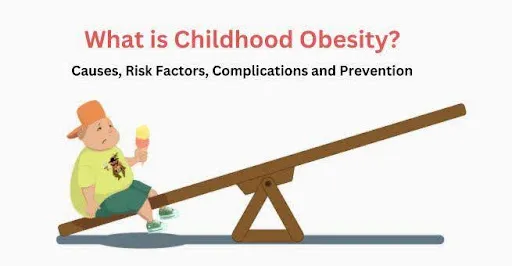
Childhood obesity is a significant health condition impacting children and adolescents. It’s especially concerning since children who gain excess weight are more likely to develop diabetes, high blood pressure, and high cholesterol, which were previously thought to be adult problems. Obesity in children can also result in depression and low self-esteem.
When a child weighs more than what is considered healthy for their age, height, and gender at birth, they have childhood obesity, a complicated chronic (long-term) illness.
Children under five years are considered obese if their weight-for-height is above the 95th percentile for their age and sex.
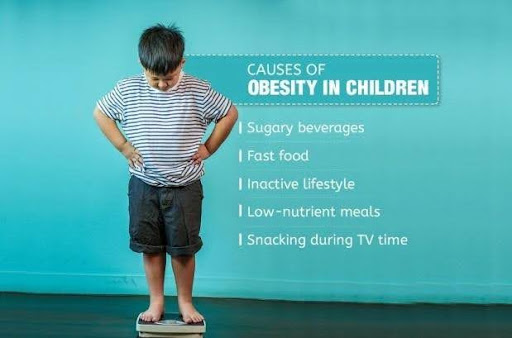
Numerous factors contribute to childhood obesity, such as excessive calorie consumption, inactivity, consuming an excessive amount of high-calorie meals, an unhealthy family lifestyle, and emotional problems that can result in overeating.
Risk Factors
Several factors, often working together, can increase a child’s risk of becoming overweight:
Diet: Consuming high-calorie foods frequently, such as fast foods and baked goods, can lead to weight gain. Sweets and desserts also contribute to increased weight.
Lack of Physical Activity: Children who engage in minimal physical exercise are at a higher risk of gaining weight.
Family Background: A family history of obesity can make a child more susceptible to weight gain.
Psychological Influences: Stress within the child’s life, as well as parental and family stress, can elevate the risk of obesity.
Family Environment: Habits like frequent dining out, snacking, and family meal patterns can influence a child’s weight.
Sleep: Poor or insufficient sleep quality can also contribute to weight gain.
Complications of Childhood Obesity
High blood pressure
High cholesterol
Insulin resistance- prediabetes and Type 2 diabetes
Non alcohol-related fatty liver disease
Asthma
Obstructive sleep apnea
Depression.
Joint pain.
Blount’s disease.
Heart disease.
Prevention
To help prevent your child from gaining excess weight, you can:
Lead by example: Encourage healthy eating habits and regular physical activity for the whole family. Keep nutritious snacks accessible at home.
Introduce Foods Repeatedly: Offer new, healthy foods several times to increase your child’s acceptance.
Ensure Sufficient Sleep: Make sure your child gets adequate rest, as research suggests that insufficient sleep may raise the risk of obesity.
Remember, numerous factors play a role in childhood obesity, and many may be beyond your control. The good news is that there are steps you and your family can take to promote your child’s health. If you’re concerned that your child may be experiencing obesity, consider consulting their healthcare provider. They can work with you to create a plan to manage or reduce potential health complications associated with obesity.
Our healthcare specialists are equipped with the knowledge and skills to provide you with the support you require. From consultation to diagnosis to treatments, our experts are dedicated to helping you.