NICU and PICU: What Parents Should Expect
Any parent can be devastated by the news that their child needs to be admitted to the pediatric intensive care unit (PICU) or the neonatal intensive care unit (NICU). The strange environment, the high-tech medical machines, and the ever-present watching could be scary at first. But it’s important to remember that these specialty units are designed to give critically ill infants, newborns, children and teenagers the best possible care.
Today's NICU and PICU are staffed with highly skilled professionals who collaborate to stabilize their critically ill patients, track their progress, and assist their families during their course of treatment. You can reduce anxiety and get ready for the journey ahead by knowing what these units are and what to anticipate while your child is visiting.
Overview of NICU and PICU
The Neonatal Intensive Care Unit (NICU) is a specialized unit that care for newborn babies, especially premature babies, those with low birth weight, congenital anomalies, breathing difficulties, infections or any medical conditions that require advanced neonatal care. The NICU’s mission is to provide life-saving treatment and to support the baby’s growth and development until the baby is strong enough to go home.
The Pediatric Intensive Care Unit (PICU) provides intensive medical care for infants, children, and adolescents with serious illnesses, severe infections, trauma, major surgical conditions, respiratory failure, neurological disorders, or other life-threatening medical emergencies. The PICU is set up to provide intensive monitoring and life-support care appropriate for the needs of growing children.
Both units provide specialized 24-hour care, use advanced technology and involve families in their child’s recovery.
NICU vs. PICU: Key Differences
Both are forms of intensive care units but for different ages and medical issues. The NICU is only for newborn babies, especially in the first few weeks of life. Babies admitted to the NICU often need help because they were born premature, have respiratory distress syndrome, have neonatal jaundice, had birth asphyxia, have feeding difficulties, have congenital abnormalities, or acquired infections around the time of birth.
The PICU cares for older infants, children, and teenagers who develop critical illnesses or injuries. Children admitted to the PICU may have severe pneumonia, asthma attacks, sepsis, traumatic injuries, poisoning, major surgeries, neurological emergencies, heart problems, or multi-organ failure.
Your health care teams are also a little different. NICUs have neonatologists, as well as neonatal nurses, respiratory therapists, nutritionists and developmental specialists on staff. The PICU is staffed with pediatric intensivists, pediatric subspecialists, surgeons, critical care nurses, physical and respiratory therapists and rehabilitation specialists.
Both units are entirely unique, but they share the same goal to provide the safest, most advanced care and to support families through a difficult time.
What to Expect When Your Child is in the NICU or PICU?
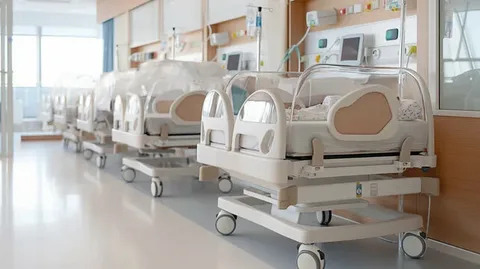
Parents are often surprised by the number of monitors, alarms, tubes, and medical devices surrounding their child. They may sound scary but are vital tools that allow healthcare providers to continuously monitor heart rate, respiration, oxygen levels, blood pressure, and other vital signs.
Depending on your child’s condition, they may be given oxygen therapy, mechanical ventilation, intravenous medications, special nutrition, or ongoing surveillance. Treatment is planned individually, according to the child's medical needs.
Communication is critical at every step of the admissions process. Doctors and nurses talk to parents about the condition of the child, explain the results of tests, talk about treatments, and answer questions. We encourage parents to be involved in their child’s care whenever such involvement is possible, whether that’s providing kangaroo care for premature babies, helping with feeding or simply being there to provide comfort and reassurance.
The length of stay can vary greatly. Some children may only need short-term observation; others may need several weeks of intensive care depending on the severity of their illness and how they respond to treatment. The healthcare team instructs the parents on medications, feeding, appointments for follow-up care, and any care that may be needed at home before the child is discharged.
When to Seek Care in a Specialized Hospital?
If your newborn has trouble breathing, doesn't feed well, is unusually sleepy, has a fever that won't go away, has a bluish color to the skin, has seizures, or has severe jaundice, call your health care provider right away or go to the nearest emergency room. Likewise, older children with breathing problems, persistent high fever, severe dehydration, repeated seizures, altered consciousness, major injuries, or sudden worsening of a chronic condition should be evaluated promptly at a hospital with specialized pediatric emergency services, NICU, and PICU capabilities.
The presence of a fully equipped pediatric intensive care unit provides the opportunity for prompt action, sophisticated monitoring, and a team of experts from different fields, all of which contribute to better results for seriously ill children.
Conclusion
NICU and PICU admission is never easy for families, but these specialized units are designed to provide the highest standard of care for babies and children who need intensive medical support. With the help of leading-edge technology, experienced specialists, and caring, family-centered care, many children will recover successfully and go on to lead healthy lives. “Being knowledgeable, talking to your child’s healthcare team, and being involved in your child’s care can help make this hard situation easier to deal with and to feel more secure.”
Why choose Ankura for NICU & PICU care?
At Ankura Hospital we believe every critically ill newborn and child deserves timely, specialized, compassionate care. Our specialized Neonatal Intensive Care Unit (NICU) and Pediatric Intensive Care Unit (PICU) have the latest monitoring systems, neonatal and pediatric ventilators, state-of-the-art life support technologies, and dedicated isolation rooms. Our skilled teams of neonatologists, pediatric intensivists, pediatric surgeons, and multidisciplinary specialists deliver around-the-clock, evidence-based care for every child who is customized to their medical needs. We are committed to providing the best in critical care, family-centered support, state-of-the-art facilities, and coordination of pediatric specialties so children have the best chance to recover and thrive.