Migraines aren’t only an adult problem. Children get them, too. A migraine is more than just a bad headache, and when kids get them, it can be worse often because they don’t understand why they’re getting it. You can help your child head off migraine attacks by learning what triggers them, and then trying to avoid those triggers.
Most of the time, an adult comes to mind when you think about someone who has a migraine. However, migraines can affect kids too. Though the illness causing migraines in adults is the same that affects children, its effects are different. While one-sidedness is a feature of adult migraines, children usually present with both sides of the child’s head being attacked. Moreover, as compared to adult migraines, the episodes in children are often shorter.
Migraine headache
One type of severe headache that often occurs on one side of the head is a migraine. While some kids get migraines very occasionally, others do so more frequently than once a week. About half of children who get headaches as children will still experience them as adults, since migraines tend to run in families. In children, migraines affect both boys and girls equally, but in teens and adults, they affect women more often.
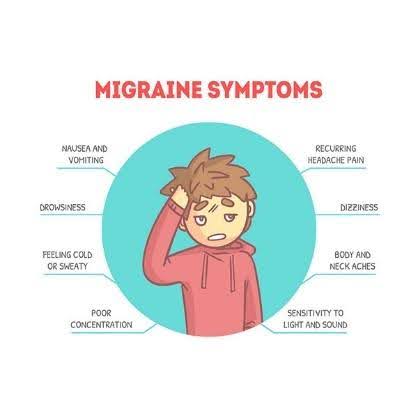
A migraine is not only an uncomfortable headache. Migraine is a neurological condition that produces a number of symptoms, such as
Throbbing headaches
Nausea and vomiting
Feeling lightheaded
Issues with vision-spots or flashing lights
Smell, light, and sound sensitivity
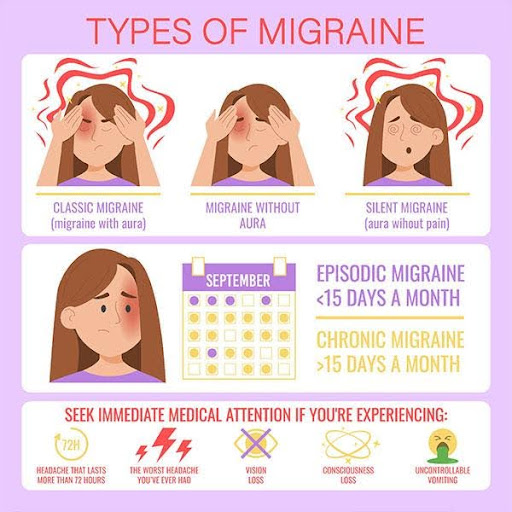
Types of migraines in children
Children and teenagers are susceptible to two primary forms of migraines:
Migraine without aura: About 60% and 85% of children and adolescents who get migraines also experience this kind, which medical professionals formerly referred to as a common migraine.
Types of Migraines in Children Aura-associated migraine: Previously referred to as a “classic migraine” by medical professionals, this form of migraine affects 15% to 30% of children and teenagers.
What is an aura?
An aura is a precursor to the onset of a migraine. An aura often manifests itself half an hour before a migraine does. The following are the most prevalent visual auras:
Vision that seems distorted or blurry
Blind spots
Lights or lines with vivid colors that flash or move
Aural modifications that affect speech, movement, hearing, smell, taste, or touch are examples of additional auras.
Signs and symptoms of migraines
Toddlers and young children may suddenly become pale, have a headache, and feel nausea or vomiting.
More adult-like migraines are experienced by older children and teens. A headache that lasts six to twelve hours is a typical symptom and can be: severe
Throbbing or dull
Covering the entire skull, or much worse on the sides of the head or only one side of the head
Additionally, your child might:
Get lethargic, have nausea, or vomiting
Feel tired
Have stomach pain.
Auras are sensory or visual alterations that occur in certain children prior to the onset of headaches. Children may have a great deal of distress from these, since they may suffer lip tingling, see spots or zigzag lines, become sensitive to light, sound, or smell, or lose some eyesight. Usually, an aura lasts a few minutes and then goes away as soon as the headache starts.
Certain uncommon migraine symptoms, such tingling in the face and arms (hemiplegic migraine), dizziness or fainting (basilar migraine), or abrupt confusion and disorientation (acute confusional migraine), might affect certain children. On the other hand, these symptoms might point to a more serious condition, such as stroke. If your child has a headache followed by any of these symptoms, take them to a pediatric neurologist as soon as possible.
According to scientists, migraines are thought to be a neurological disorder that primarily affects the brain and nerves but can also impact blood vessels. This “malfunction,” which results in the migraine’s inflammation and agony, is brought on by the brain’s release of certain chemicals, or neurotransmitters, such as serotonin.
Since migraines are hereditary in nature, they frequently run in families. A close biological family member (mother, father, sister, or brother) who now has or may have had a migraine is another factor that affects 60–70% of those who get migraine headaches.
Most children get migraines randomly; they don’t do anything in particular to set off an episode. However, there is a known trigger or reason for migraine episodes in certain children.
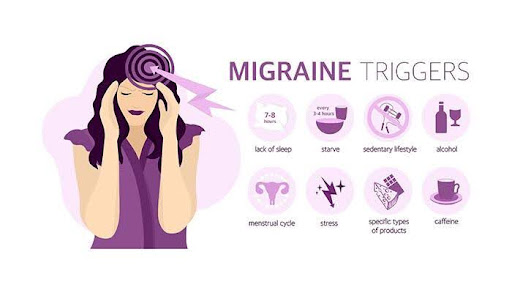
Each person experiences different triggers for migraines. However, the following are some common reasons why children and teenagers have migraines:
Everyone has different migraine triggers. The following are the most common causes in children and teenagers: Stress: Stress is one of the more common causative factors of migraine, usually originating from the family and stressors coming from school. For some children, specific foods-even healthy ones-may trigger a migraine. These include those that contain the amino acid tyramine: aged cheese, smoked salmon, chicken livers, figs, and some legumes.
Other foods like
Peanut butter or chocolate Fruits (particularly citrus, banana, and avocado fruits) Dairy products (cheese, yoghurt, milk) onions Pickled, fermented, marinated, or processed foods Foods that contain monosodium glutamate (MSG).
Their headaches are bothering them or are growing worse.
Your child has a headache that lasts longer than two days.
Your kid is under three years old and experience headaches.
Your child experiences headaches more frequently than once a week, they start to interfere with their social life, education, and home life.
Your child’s headaches are keeping them awake from sleep, or they are worse first thing in the morning.
Although no specific tests for migraines exist, physicians can, in general, diagnose the condition based on your child’s history and physical examination. Testing is sometimes performed on only a very few children in order to rule out other causes of headache; most children do not require testing.
If your child’s headache is accompanied by any of the following symptoms: neck stiffness, vomiting, high temperature, increased disorientation, behavioral changes, or loss of balance, take them to the doctor immediately.
How are migraines in children treated?
Treatment for pediatric migraines often consists of many steps. A vital component of therapy is ensuring that your child leads an overall healthy life. The healthcare practitioner for the child will instruct you and your child on daily routines that may help alleviate migraine symptoms.
Among these habits may be making time for a good night’s sleep every night.
Refraining from missing meals
Getting exercise
Consuming a lot of water
Managing stress
The pediatric neurologist of your child could also suggest a useful drug that your child can take at the onset of a migraine. Your kid’s doctor could suggest preventative drugs or supplements to lessen the frequency and intensity of migraines if your child has more than one per week.
Our healthcare specialists are equipped with the knowledge and skills to provide you with the support you require. From consultation to diagnosis to treatments, our experts are dedicated to helping you.