Managing PCOS: Dietary and Lifestyle Tips
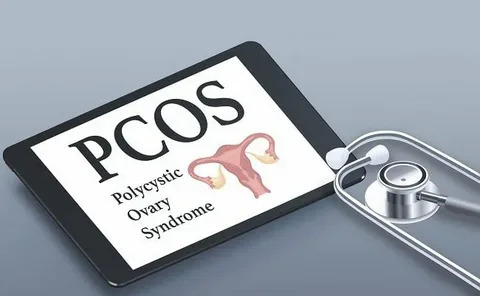
Polycystic ovary syndrome (PCOS) is the most common endocrine disorder in women of reproductive age. This can affect menstrual cycles, fertility, metabolism, skin health and emotional well-being. PCOS can’t be cured permanently but can be managed effectively with timely medical help, healthy lifestyle habits and balanced nutrition.
Learning about PCOS, and making lifestyle changes that you can stick with can reduce long term health risks and improve quality of life.
What is PCOS (Polycystic Ovary Syndrome)?
Polycystic Ovary Syndrome (PCOS) is a hormonal disorder where the ovaries produce too much androgen (male hormones). Hormone imbalance prevents the ovaries from releasing an egg in the normal way. It can cause their periods to be irregular or even stop. The name implies that a woman with polycystic ovaries has many ovarian cysts, but not all women with PCOS will have cysts, and not all women with ovarian cysts have PCOS.
PCOS is also closely related to insulin resistance, which is when the body's cells do not respond to insulin. This causes higher levels of insulin, which further stimulates androgen production and worsens symptoms. Untreated, PCOS can cause infertility, type 2 diabetes, obesity, cardiovascular disease and endometrial cancer.
PCOS Symptoms and Diagnosis
PCOS symptoms are different for every woman. While some women have mild symptoms, many suffer a variety of problems that affect their reproductive and metabolic health. You may have missed or irregular periods. You may have excess hair growth on your face or body (hirsutism), acne, oily skin, weight gain, thinning hair on your scalp, difficulty getting pregnant, and darkening of the skin around your neck or under your arms from insulin resistance.
Diagnosis of PCOS is based on detailed history, physical examination and appropriate investigations. Your gynecologist may also order blood tests to check your hormone levels and rule out other endocrine disorders. Assessment of ovarian morphology could be performed by pelvic ultrasound examination. Other tests, like blood sugar level, lipid profile, etc., are helpful in evaluating the metabolic health. The diagnosis is often made on the basis of internationally agreed criteria and after other medical conditions that may cause similar symptoms have been excluded.
What Are the PCOS Treatment Options?
Treatment is personalized and depends on your symptoms, your reproductive goals and your general health. Hormonal medicines can be used to regulate the menstrual cycle and to reduce the androgen-related symptoms like acne and excess hair growth in women not desiring pregnancy. If a couple is trying to conceive, they may need to take drugs for ovulation induction or fertility treatment, but these should be under the care of a specialist.
Women with insulin resistance may be treated with insulin sensitizers and weight management strategies are important in improving hormonal balance. Treatments also include regular monitoring and management of blood sugar, cholesterol, blood pressure and body weight to prevent long-term complications. Because PCOS can affect both physical and emotional health, counseling and psychological support may also be good for some women.
What Are the PCOS Treatment Options?
Treatment is personalized and depends on your symptoms, your reproductive goals and your general health. Hormonal medicines can be used to regulate the menstrual cycle and to reduce the androgen-related symptoms like acne and excess hair growth in women not desiring pregnancy. If a couple is trying to conceive, they may need to take drugs for ovulation induction or fertility treatment, but these should be under the care of a specialist.
Women with insulin resistance may be treated with insulin sensitizers and weight management strategies are important in improving hormonal balance. Treatments also include regular monitoring and management of blood sugar, cholesterol, blood pressure and body weight to prevent long-term complications. Because PCOS can affect both physical and emotional health, counseling and psychological support may also be good for some women.
Lifestyle and Dietary Changes For PCOS
Lifestyle changes are still the best way to treat PCOS. Even a small weight loss (5-10%) can have a major impact on menstrual regularity, ovulation, insulin sensitivity and fertility outcomes in overweight women with PCOS.
Whole-grain, lean proteins Healthy fats, fresh fruits and vegetables Legumes and fiber. These all contribute to a balanced diet that helps to regulate blood sugar levels and reduce insulin resistance. Low glycemic foods help you keep your blood sugar from spiking and improve your metabolic health. Reducing processed foods, sugary drinks, refined carbs and unhealthy fats also helps to better regulate hormones.
Regular exercise is equally as important. At least 150 minutes a week of regular physical activity—be it brisk walking, cycling, swimming, strength training or yoga—improves insulin sensitivity, helps control weight and promotes general well-being.
Good sleep and stress management are often overlooked but important in management of PCOS. Chronic stress and lack of sleep can worsen hormonal imbalances and insulin resistance. Mindfulness, meditation, deep breathing exercises or other relaxation techniques can all have a positive effect on hormonal health, as can a consistent sleep schedule.
Sustainable lifestyle changes, not restrictive. You may want to get help from a health care provider or dietitian to develop a nutrition and exercise plan that fit your health needs.
When to Seek Medical Advice for PCOS?
If you suffer from irregular periods, excessive hair growth on your face, acne that never seems to go away, unexplained weight gain, difficulty conceiving, or symptoms of insulin resistance you should see a gynecologist. Women with PCOS also need regular follow-up to monitor blood sugar, cholesterol, blood pressure and reproductive health.
Diagnosing early and treating on time can lower the risk of long-term complications, and improve fertility, hormonal balance and quality of life. The sooner you get medical advice, the better, so you can get a treatment tailored to you, before symptoms get worse.
Conclusion
PCOS is a hormonal condition that lasts a lifetime, but early detection and proper medical attention and a healthy lifestyle can successfully manage it. Good nutrition, regular exercise, stress management and routine medical check ups all combine to improve hormonal balance, regulate periods, support fertility and reduce future health risks. With the right guidance and a commitment to long-term lifestyle changes, women with PCOS can lead active, healthy, and fulfilling lives.
Why Ankura?
Ankura Hospital for Women and Children has a team of experienced Obstetricians, Gynecologists and Fertility Specialists who provide complete evaluation and personalized treatment for women suffering from PCOS. We are a team of specialists with a range of expertise and provide evidence-based solutions that are tailored to each woman’s needs, from hormonal testing and advanced diagnostic services to fertility management, nutritional counseling, and long-term metabolic care. Ankura is dedicated to helping women in their journey to better reproductive health, hormonal balance and overall health and well-being, powered by world-class infrastructure, and a patient-centric approach.