
Managing Kidney Stones in Children: Causes, Signs, Symptoms, Diagnosis and Treatment Options
Kidney stones in children, though less common than in adults, are becoming increasingly recognized by pediatricians and pediatric urologists. This rise can be attributed to various lifestyle, dietary, and genetic factors. For parents, understanding the causes, symptoms, treatment options, and preventive strategies for pediatric kidney stones is vital in managing the condition and ensuring a child’s long-term health.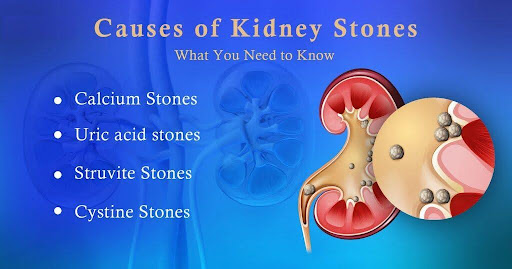 Causes of Kidney Stones
What are Kidney Stones?
Kidney stones are hard deposits made of minerals and salts that form inside the kidneys. In children, these stones can develop when the urine becomes too concentrated with certain substances such as calcium, oxalate, or uric acid that crystallize and stick together.
While kidney stones in children are not as common as in adults, their incidence is on the rise, particularly among adolescents. Risk factors include dehydration, dietary habits, certain medications, metabolic disorders, and a family history of kidney stones.
Understanding the Causes and Risk Factors
Inadequate Fluid Intake: Not drinking enough water is one of the most common reasons children develop kidney stones. When fluid intake is low, urine becomes concentrated, allowing minerals and salts to stick together and form stones. Encouraging your child to drink plenty of water throughout the day helps flush out these substances and lowers the risk of stone formation.
High-Sodium and Protein Diets: Diets rich in sodium (salt) can increase calcium levels in the urine, making children more prone to developing kidney stones. Similarly, high intake of animal protein (like red meat, poultry) can raise the levels of substances that form stones, such as uric acid and calcium, while lowering the amount of citrate, a chemical that helps prevent stones. Reducing salt and balancing animal protein intake are important steps in preventing kidney stones in kids.
Obesity: Childhood obesity is a known risk factor for many health issues, including kidney stones. Obesity increases the risk of kidney stones in children by affecting the balance of acids and salts in the urine. Overweight kids may have higher levels of substances like calcium, oxalate, and uric acid, which can lead to stone formation. Maintaining a healthy weight through a balanced diet and regular physical activity is key to reducing this risk.
Family History and Genetics: A child with a family history of kidney stones is more likely to develop them.
Medical Conditions: Certain medical conditions can increase a child’s risk of developing kidney stones. These include urinary tract infections (UTIs), metabolic disorders, hyperparathyroidism, and conditions that affect calcium or oxalate levels in the body. Some genetic disorders or gastrointestinal diseases, like inflammatory bowel disease, can also contribute. Children with these conditions may need regular monitoring and preventive care to avoid kidney stone formation.
Medications: Certain drugs, such as diuretics, antacids, and anti-seizure medications, may increase the risk of kidney stones.
Symptoms of Kidney Stones in Children
Recognizing the symptoms of kidney stones in children can be challenging, as they may vary based on the child’s age and the stone’s size and location. Some common signs include:
• Severe pain in the back, side, or abdomen
• Pain during urination
• Blood in urine (hematuria)
• Nausea and vomiting, associated with other symptoms
• Frequent urge to urinate
• Fever and chills with pain in lower abdomen if infection is present
In very young children or infants, symptoms may be more subtle and can include irritability, crying during urination, or changes in urine color.
In case of noticing any unusual symptoms, a parent must be alerted to the possibility of kidney stones in their child and consult a pediatrician or pediatric urologist.
Diagnosing Kidney Stones in Children
When a child presents with symptoms suggestive of kidney stones, a pediatrician or pediatric urologist will perform a thorough evaluation to make a diagnosis. This includes:
• Medical History and Physical Examination
• Urine Tests to detect blood, crystals, or infection
• Blood Tests to assess kidney function and check for metabolic disorders
• Imaging Tests, such as ultrasound or low-dose CT scan, to locate and size the stones
• Early diagnosis is crucial to prevent complications such as kidney damage or recurring infections.
Treatment Options for Kidney Stones in Children
Treatment for kidney stones in children depends on the size, location, and type of stone, as well as the child’s overall health. A pediatric urologist will suggest a specific plan personalised for the child, depending on the condition. Some common approaches for treatment include:
Conservative Management
For small stones that are likely to pass naturally a conservative management may be used.
Many-a-time small kidney stones in children can be managed conservatively without surgery. This approach involves allowing the stone to pass naturally through the urinary tract while keeping the child comfortable and preventing complications.
Key aspects used in a conservative approach are-
• Increased fluid intake: Encouraging the child to drink plenty of water to help flush out the stone.
• Pain management: Using safe pain relievers as prescribed to manage discomfort during stone passage.
• Monitoring: Regular follow-up with urine tests, ultrasounds, or X-rays to check stone size and movement.
• Dietary changes: Reducing salt, limiting animal protein, and avoiding stone-forming foods based on the stone type.
• Activity: Gentle physical activity may help stones move through the urinary system.
• Conservative treatment is usually effective for smaller stones and helps avoid the need for invasive procedures. However, close supervision by a pediatric urologist or nephrologist is important.
Medical Expulsive Therapy
Medical Expulsive Therapy is a non-surgical treatment that helps children pass small kidney stones more easily. It involves the use of certain medications, often alpha-blockers, that relax the muscles in the urinary tract, allowing the stone to move and pass with less pain.
This therapy is typically used for –
• Small stones (usually less than 10 mm)
• Stones located in the lower ureter
• Children who are stable and not in severe pain or at risk of infection
• MET is usually combined with increased fluid intake and regular follow-up. It’s considered safe and effective, but not all children are good candidates. Thus, it should be guided by a pediatric specialist.
Shock Wave Lithotripsy (SWL)
Shock Wave Lithotripsy is a non-invasive procedure used to treat kidney stones in children. It uses high-energy sound waves (shock waves) from outside the body to break the stone into smaller pieces, which can then pass naturally in the urine.
SWL is usually recommended for-
• Medium-sized stones
• Stones located in the kidney or upper ureter
• Children who do not respond to conservative treatment
• It is done under anesthesia and usually requires a short hospital stay. SWL is safe, effective, and causes minimal discomfort.
Ureteroscopy
Ureteroscopy is a minimally invasive procedure used to treat kidney stones that are stuck in the ureter, especially when they don’t pass on their own or cause symptoms like pain or infection. In this procedure, a thin, flexible tube with a camera (ureteroscope) is passed through the urethra and bladder to reach the stone. The doctor can then remove the stone or break it into smaller pieces using a laser. Ureteroscopy is commonly used in children when medications or other non-surgical treatments are not effective. It is done under anesthesia and usually allows the child to go home the same day or after a short hospital stay.
Percutaneous Nephrolithotomy
Used for very large or complex stones, this minimally invasive surgical technique involves making a small incision in the back to remove the stone directly from the kidney.
Addressing Underlying Causes
Addressing the underlying causes of kidney stones in children is key to preventing future episodes. This may involve treating medical conditions like urinary tract infections, metabolic disorders, or adjusting the child’s diet and fluid intake. Identifying and managing these root causes helps reduce the risk of recurrence.
Preventing Kidney Stones in Kids- Practical Tips
Prevention is key in managing kidney stones in children and reducing the likelihood of recurrence. Some effective strategies for prevention that a parent can follow include:
Encourage Adequate Hydration: Ensure your child drinks enough water throughout the day. As a general rule, children should drink enough fluids to produce at least 1 to 1.5 liters of urine daily, depending on their age and size. This usually means drinking around 1.5 to 2 liters (6–8 glasses) of water per day for school-aged children. Clear or pale-yellow urine is a good sign that they are well hydrated.
Limit Sodium Intake: Reduce the amount of salt in your child’s diet by avoiding processed and fast foods. Excessive pickles, papads, chips, and other salty snacks should also be limited.
Promote a Balanced Diet: Include fruits, vegetables, and whole grains while limiting animal proteins and oxalate-rich foods like spinach, tomato, beetroot, nuts, and chocolates.
Regular Physical Activity: Encourage exercise and an active lifestyle to support overall kidney and metabolic health.
Monitor and Manage Medical Conditions: Children with conditions like hypercalciuria or cystinuria may need special diets or medications as prescribed by their healthcare provider.
Follow-Up Care: Regular follow-ups with a pediatric nephrologist or urologist can help monitor your child’s condition and prevent future stones.
When to Seek Medical Attention?
Immediate medical attention should be sought if your child:
• Experiences severe or persistent pain
• Has blood in urine
• Develops a high fever
• Shows signs of dehydration
• Is unable to pass urine
• Delaying care can lead to complications, including infections, kidney damage, or recurrent stone formation.
Kidney stones in children can be a painful and concerning condition, but with early diagnosis, effective pediatric kidney stone treatment, and proactive preventive care, most children recover well and lead healthy lives. Understanding the causes, recognizing child kidney stone symptoms, and taking steps toward preventing kidney stones in kids can make all the difference in your child’s kidney health journey.
If you suspect your child may have kidney stones or if there’s a family history of the condition, consult a pediatrician or pediatric nephrologist for guidance and support.