
Discovering that your baby has a congenital condition can be overwhelming for any parent. One such condition is hypospadias, a common birth defect affecting the penis in baby boys. Although it may sound concerning, hypospadias is treatable, and with timely diagnosis and expert surgical care, most children go on to have normal urinary and reproductive function.
Understanding the condition can help parents make informed decisions and ensure the best possible outcome for their child.
What is hypospadias?
Hypospadias is a congenital condition in which the opening of the urethra (the tube through which urine passes out of the body) is located on the underside of the penis instead of at the tip. It develops during fetal growth and is present at birth.
The severity of hypospadias varies depending on the location of the urethral opening.
Types of Hypospadias
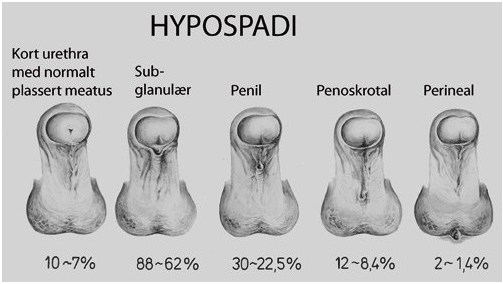
Hypospadias is generally classified into three types:
1. Distal (Anterior) Hypospadias
The urethral opening is located near the head of the penis. This is the most common and mildest form.
2. Midshaft Hypospadias
The opening is located along the middle portion of the penile shaft.
3. Proximal (Posterior) Hypospadias
The urethral opening is located near the base of the penis or in the scrotal area. This is the least common but more severe form and may require more complex surgical correction.
What causes hypospadias?
The exact cause is not always known. Hypospadias develops during pregnancy when the urethra does not form completely.
Possible contributing factors include:
- Genetic factors or family history
- Hormonal influences during fetal development
- Certain environmental factors during pregnancy (in some cases)
In most cases, parents did nothing to cause the condition.
Signs and Symptoms
Hypospadias is usually diagnosed during the newborn physical examination.
Common features include:
- Urethral opening located below the tip of the penis
- Downward curvature of the penis (chordee)
- Hooded foreskin with incomplete foreskin on the underside
- Abnormal urine stream, such as spraying or downward direction
- Difficulty directing urine in some cases
Why is treatment important?
Without treatment, some children with hypospadias may experience difficulty urinating while standing, an abnormal urinary stream, or penile curvature that may cause problems later in life. In some cases, untreated hypospadias may also lead to sexual or reproductive concerns in adulthood. Cosmetic concerns related to the appearance of the penis may also affect a child’s self-confidence. Early treatment can help improve both urinary function and appearance and may prevent potential complications later in life.
How is hypospadias treated?
Surgery is the only definitive treatment for hypospadias.
The procedure aims to:
- Move the urethral opening to the tip of the penis
- Straighten any penile curvature
- Improve urinary function
- Achieve a normal cosmetic appearance
Most children require only one surgery, although complex cases may need staged procedures.
When is the best time for surgery?
Pediatric urologists generally recommend surgery between 6 and 18 months of age, as children recover well during this period and are unlikely to remember the procedure.
If the condition is diagnosed later, surgery can still be performed successfully.
Caring for your child after surgery
Following surgery, parents should:
- Follow all medication instructions carefully.
- Keep the surgical area clean and dry as advised.
- Prevent rough play until healing is complete.
- Attend scheduled follow-up visits.
- Watch for signs of infection, excessive swelling, or problems with urination and report them promptly.
Most children recover well and resume normal activities within a few weeks.
Should my baby be circumcised?
If your baby is suspected to have hypospadias, do not opt for circumcision before evaluation by a pediatric urologist. The foreskin may be needed during surgical repair.
Always consult a pediatric surgeon or pediatric urologist before making this decision.
Can children live a normal life after treatment?
Yes. Most children who undergo timely hypospadias repair have excellent long-term outcomes. They can usually urinate normally, have normal penile function, and lead healthy, active lives.
Regular follow-up with the pediatric surgeon ensures proper healing and monitors long-term results.
Why choose Ankura Hospital for pediatric hypospadias treatment?
At Ankura Hospital, we have skilled pediatric surgeons and pediatric urologists who can effectively deal with children suffering from hypospadias. Here we provide precise diagnosis, surgical treatment, and customized treatment plans. Our multidisciplinary team always helps you throughout the process to make sure that your child gets a safe and effective treatment at our hospital.