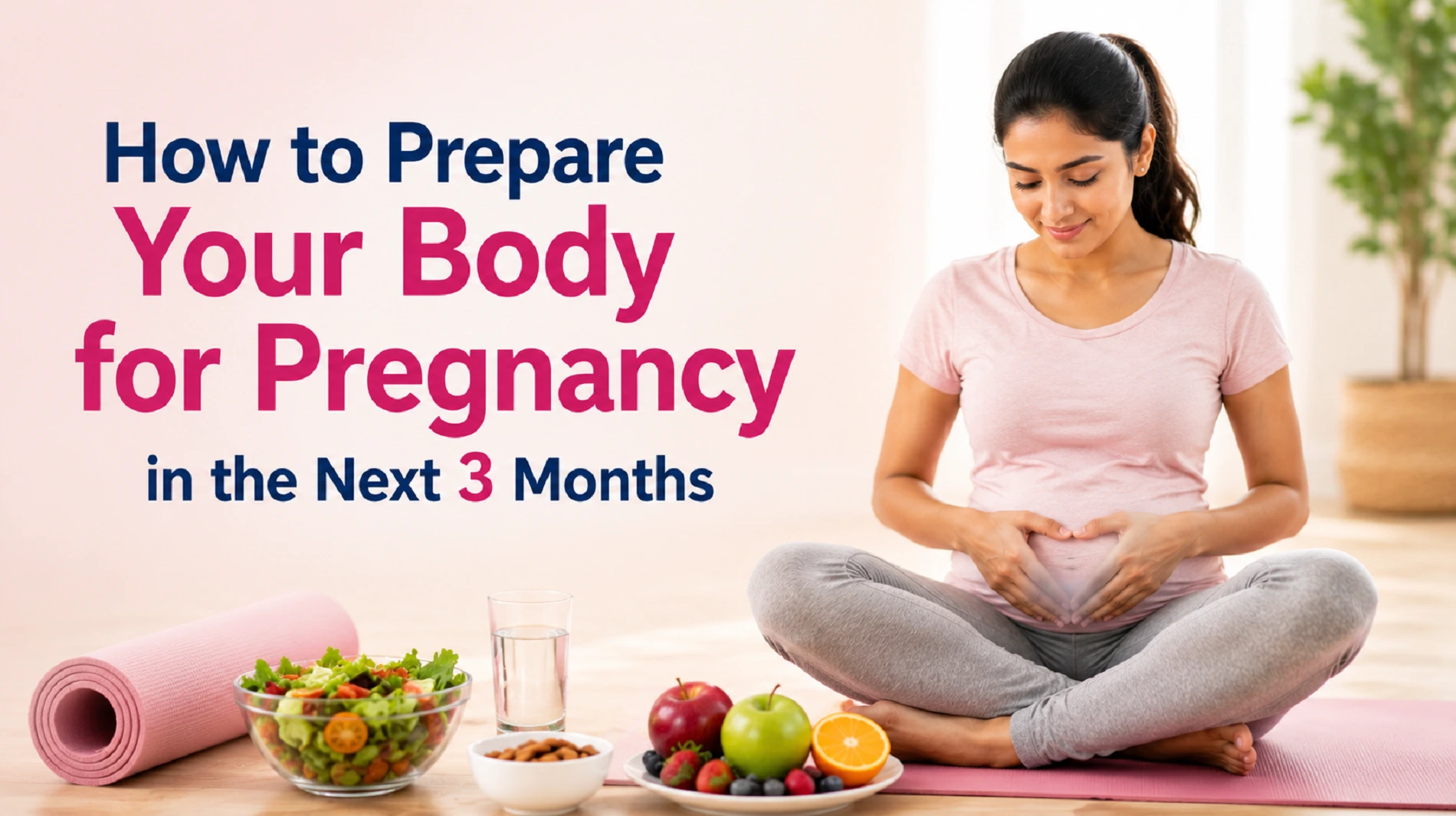
How to Prepare Your Body for Pregnancy in the Next 3 Months
Introduction
Planning a pregnancy is one of the most important decisions in a woman's life. While many couples focus on getting pregnant, preparing your body before conception is equally important. The three months leading up to pregnancy provide an excellent opportunity to improve your overall health, address any medical concerns, and create the best possible environment for your future baby.
Preconception care helps reduce the risk of pregnancy complications, supports healthy fetal development, and increases the chances of a smooth pregnancy journey.
Why Are the Three Months Before Pregnancy Important?
The early weeks of pregnancy are crucial for your baby's development, often before you even realize you're pregnant. During this time, vital organs such as the brain, heart, and spinal cord begin to form.
Preparing your body in advance helps ensure that you have adequate nutrients, manage existing health conditions, and adopt healthy lifestyle habits before conception.
Schedule a Preconception Health Check-up
A preconception consultation allows your gynecologist to evaluate your overall health and identify any factors that may affect pregnancy.
Your doctor may recommend:
- Blood investigations
- Thyroid function tests
- Blood sugar screening
- Hemoglobin levels
- Vitamin D and Vitamin B12 assessment
- Rubella immunity testing
- Cervical screening if due
- Review of existing medications
If you have conditions such as diabetes, hypertension, thyroid disorders, PCOS, or epilepsy, they should be well controlled before pregnancy.
Start Taking Folic Acid
Folic acid is one of the most important supplements before pregnancy.
It helps reduce the risk of neural tube defects that affect the baby's brain and spinal cord.
Most women are advised to begin folic acid supplementation at least one month before conception, although your doctor may recommend starting earlier depending on your health.
Always take supplements only after consulting your healthcare provider.
Focus on a Balanced Diet
Good nutrition supports fertility and prepares your body for pregnancy.
Include:
- Fresh fruits and vegetables
- Whole grains
- Lean protein
- Eggs
- Dairy products
- Healthy fats
- Nuts and seeds
- Iron-rich foods
- Calcium-rich foods
Stay well hydrated and reduce the intake of processed foods, sugary beverages, and excess caffeine.
Maintain a Healthy Weight
Being either underweight or overweight may affect ovulation and fertility.
A healthy weight can improve your chances of conception and reduce the risk of complications such as gestational diabetes, high blood pressure, and preterm birth.
Regular physical activity, along with a balanced diet, supports overall reproductive health.
Quit Smoking and Avoid Alcohol
Smoking and alcohol can reduce fertility in both men and women and increase the risk of pregnancy complications.
If you are planning a pregnancy, this is the ideal time to stop smoking, avoid alcohol, and limit exposure to second-hand smoke.
Stay Physically Active
Moderate exercise improves blood circulation, reduces stress, and supports hormonal balance.
Activities such as:
- Walking
- Swimming
- Cycling
- Yoga
- Stretching
can be beneficial before pregnancy.
Avoid excessive or strenuous exercise unless advised by your doctor.
Manage Stress and Prioritize Sleep
Chronic stress and poor sleep can affect hormonal balance and overall well-being.
Try to:
- Sleep 7–9 hours daily
- Practice relaxation techniques
- Spend time outdoors
- Maintain a consistent routine
- Engage in hobbies you enjoy
Good emotional health contributes to a healthier pregnancy journey.
Review Your Vaccination Status
Some infections during pregnancy can affect both mother and baby.
Your doctor may recommend checking your vaccination status for:
- Rubella
- Hepatitis B
- Chickenpox
- Influenza
- Tetanus
Receiving recommended vaccines before pregnancy can help protect both you and your baby.
Include Your Partner in Pregnancy Planning
Preparing for pregnancy is a shared responsibility.
Men should also focus on:
- Healthy nutrition
- Regular exercise
- Avoiding tobacco and alcohol
- Managing stress
- Seeking medical evaluation if needed
Healthy sperm quality plays an important role in successful conception.
When Should You Consult a Gynecologist?
You should seek medical advice if:
- You are above 35 years of age.
- You have irregular menstrual cycles.
- You have PCOS or thyroid disorders.
- You have experienced previous miscarriages.
- You have been trying to conceive for more than 12 months (or 6 months if above 35 years).
- You have a known medical condition requiring specialized care.
Early guidance can help identify potential challenges and improve pregnancy outcomes.
Conclusion
Preparing your body before pregnancy is one of the best investments you can make for your future child's health. Small lifestyle changes, timely medical evaluations, balanced nutrition, and appropriate supplementation can make a significant difference in supporting a healthy pregnancy.
If you are planning to start your parenthood journey, consult an experienced obstetrician and gynecologist for personalized preconception care and guidance.