
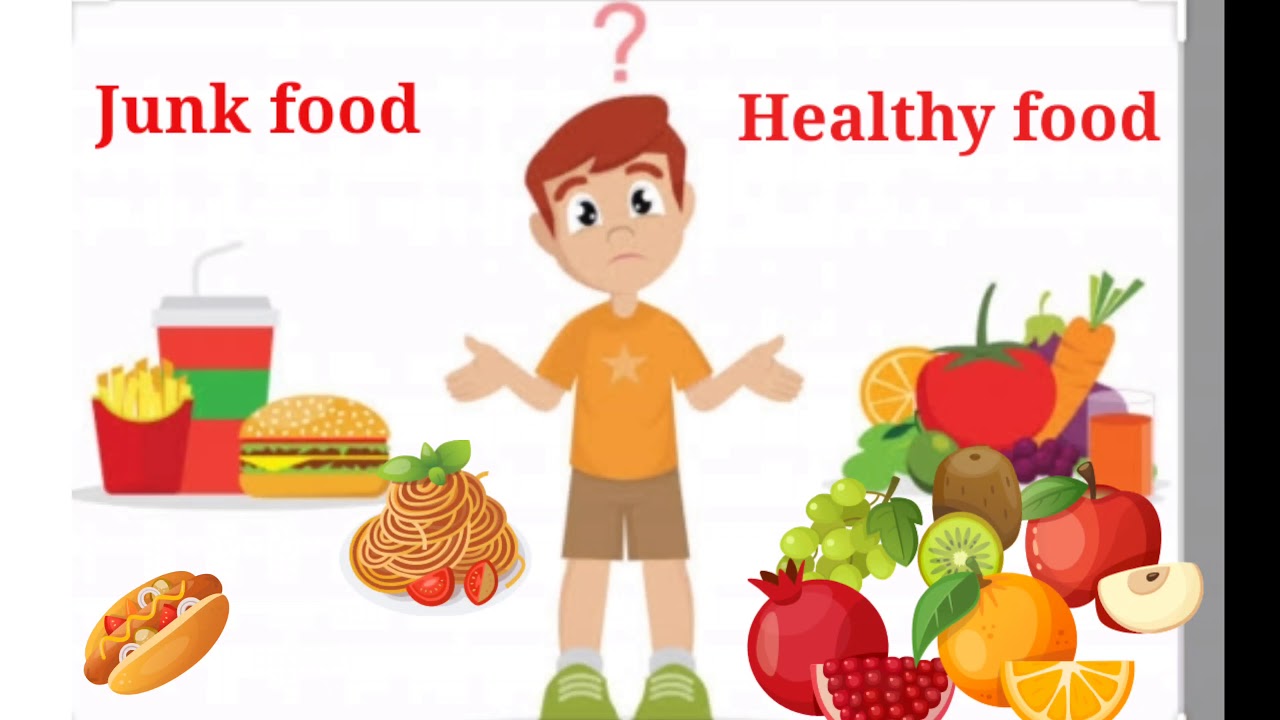
In today's fast-paced world, junk food has become a regular part of many diets. From burgers and pizzas to chips, sugary drinks, instant noodles, and packaged snacks, junk foods are convenient, tasty, and easily available. While parents often choose these foods for younger children, older children and teenagers frequently buy processed snacks and sugary foods themselves from supermarkets, school canteens, or convenience stores, making junk food a regular part of their daily diet. Enjoying these occasionally is not a cause for concern, however, consuming junk food frequently can have a significant impact on your child’s gut health.
Read on to understand how junk food affects your child’s digestive system and what you can do to protect their developing gut.
What Is Gut Health?
Your gut, also known as the gastrointestinal tract, is home to trillions of microorganisms, including bacteria, fungi, and viruses. Together, they form the gut microbiome, a complex ecosystem that helps digest food, absorb nutrients, produce vitamins, regulate immunity, and even influence mood.
A healthy gut contains a diverse balance of beneficial bacteria. However, this balance can be disrupted by poor dietary habits, especially a diet high in junk food.
What Is Considered as Junk Food?
Junk food refers to foods that are high in calories but low in essential nutrients such as vitamins, minerals, fibre, and healthy fats. These foods are often rich in:
- Refined sugars
- Saturated and trans fats
- Refined carbohydrates
- Salt
- Artificial colours, flavours, and preservatives
Common examples of junk food include:
- Chips and packaged snacks
- Fast food burgers and fries
- Sugary soft drinks
- Cakes, pastries, and doughnuts
- Chocolates and candies
- Instant noodles
- Processed meats
- Frozen ready-to-eat meals
How Junk Food Affects Gut Health?
Below are some ways how junk food can have an impact on gut health.
1. Reduces Good Gut Bacteria
A diet rich in processed foods and low in fibre deprives beneficial gut bacteria of the nutrients they need to thrive. Fibre acts as food for these healthy microbes. Without enough fibre, the diversity and number of beneficial bacteria decrease, allowing harmful bacteria to multiply.
2. Causes Gut Inflammation
Many processed foods contain unhealthy fats, excess sugar, and food additives that can trigger inflammation within the digestive tract. Chronic gut inflammation has been linked to digestive disorders and may contribute to long-term health problems.
3. Damages the Gut Barrier
The intestinal lining acts as a protective barrier, preventing harmful substances from entering the bloodstream. Diets high in ultra-processed foods may weaken this barrier, increasing intestinal permeability, sometimes referred to as leaky gut. Impaired gut barrier function has been associated with inflammation and several chronic conditions.
4. Slows Digestion
Junk food is often low in fibre, which is essential for smooth bowel movements. A low-fibre diet can lead to constipation, bloating, and sluggish digestion. It may also increase the risk of haemorrhoids and other digestive complaints over time.
5. Feeds Harmful Bacteria
Excess sugar encourages the growth of harmful bacteria and yeast in the gut. This imbalance, known as gut dysbiosis, can lead to symptoms such as gas, bloating, abdominal discomfort, and irregular bowel habits.
Signs Your Child’s Gut May Be Unhealthy
If your child complaints of the below symptoms frequently, then it could point to an unhealthy gut:
- Frequent bloating
- Constipation or diarrhoea
- Acid reflux
- Abdominal pain
- Food intolerances
- Fatigue
- Frequent infections
- Unexplained weight changes
While these symptoms do not always indicate poor gut health, persistent digestive problems should be evaluated by a pediatric gastroenterologist.
Does Junk Food Affect Children Differently than Adults?
Yes. Children's digestive systems and gut microbiome are still developing. Regular consumption of junk food during childhood may reduce the diversity of healthy gut bacteria and increase the risk of obesity, constipation, nutritional deficiencies, and metabolic disorders later in life.
Children who frequently consume sugary drinks, processed snacks, and fast food may also develop unhealthy eating habits that persist into adulthood. Encouraging balanced meals from an early age supports healthy growth and long-term digestive health.
How to Improve Gut Health
The good news is that your child’s gut microbiome can recover with healthy lifestyle changes after they adopt them. Some simple ways to support a healthy gut development include:
- Encourage children to eat plenty of fruits and vegetables.
- Include whole grains such as oats, brown rice, and millets in the diet.
- Encourage children to consume fibre-rich foods like legumes, beans, and seeds.
- Add fermented foods such as yoghurt and buttermilk in your child’s diet.
- Maintain good hydration by consuming plenty of fluids.
- Limit sugary drinks, processed snacks, and fast food.
- Regular exercise.
- Help children get adequate sleep and manage stress.
Making gradual dietary changes is often more sustainable than attempting a complete change overnight.
Is It Okay to Eat Junk Food Occasionally?
Absolutely. Healthy eating is about balance rather than perfection. Enjoying your favourite fast food or dessert occasionally is unlikely to harm your gut if your overall diet is nutritious and rich in whole foods. The concern arises when junk food becomes a daily habit, replacing healthier meals.
When Should You See a Pediatric Gatroenterologist?
If your child experiences persistent digestive symptoms such as ongoing abdominal pain, chronic diarrhoea, constipation, blood in stools, unexplained weight loss, or severe bloating, then consult a pediatric gastroenterologist. Early evaluation can help identify underlying digestive disorders and prevent complications.
Why Choose Ankura?
Ankura Hospital for Women and Children has the best team of pediatric gastroenterologists and hepatologists, nutritionists, all other pediatric experts who are committed to providing empathetic and quality care for babies and children. We offer the most advanced and world-class setup for pediatric gastroenterology and hepatology, where every child is treated with personalized care, clinical excellence, and compassion. Our multidisciplinary team is equipped to diagnose and manage a wide range of gastrointestinal, liver, pancreatic, and nutritional disorders.
At Ankura, we believe in a family-centered approach, ensuring parents are involved in every step of the care process. With state-of-the-art diagnostic tools, child-friendly facilities, and 24/7 pediatric support, Ankura remains a trusted destination for children’s gut health.