
HMPV, RSV, and the Flu: Understanding Viral Risks for Kids in 2025
“The new year has started with yet another buzz about the circulating HMPV virus and it is prudent for the parents to know the potential viral risks that their children may have, to ensure good health.”
As we step into 2025, pediatric respiratory illnesses remain a significant concern for parents and healthcare providers alike. Apart from the ongoing threat- the Human Metapneumovirus (HMPV), Respiratory Syncytial Virus (RSV), and influenza (the flu) are among the other most common viral illnesses that can affect children. Knowing the potential health concerns that can be caused by these viruses, understanding their differences, and knowing the preventive steps against them are essential to stay informed and updated.
Understanding HMPV, RSV, and the Flu
What is Human Metapneumovirus (HMPV)?
This is yet another virus that affects the respiratory system and causes symptoms similar to cold. The upper respiratory tract is affected most commonly which results in symptoms like cough, fever, nasal congestion, runny nose, shortness of breath, etc. In some cases, it can also cause symptoms of the lower respiratory tract and can cause pneumonia-like symptoms, or worsen chronic respiratory disease.
HMPV primarily affects young children (under the age of 5), the elderly, and immunocompromised individuals.
Though HMPV causes symptoms similar to a cold, the first-ever infection from HMPV can be serious with severe symptoms. Once the immunity is developed then the symptoms may be milder.
HMPV vs Respiratory Syncytial Virus (RSV)
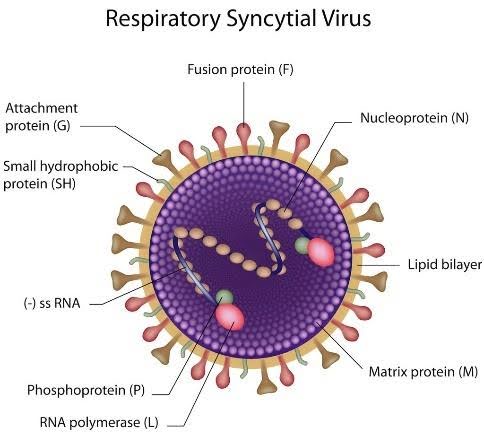
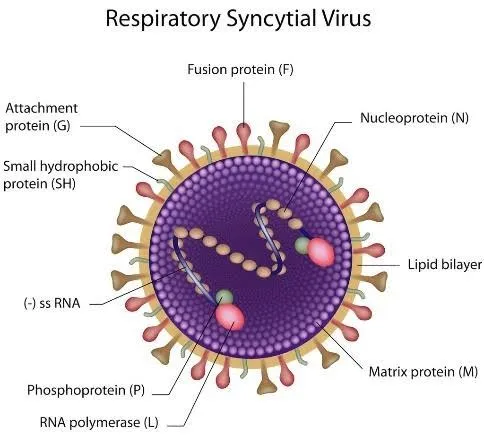
Respiratory Syncytial Virus
HPMV is a part of the same scientific group as RSV. While they share similarities, these viruses also have distinct characteristics that affect diagnosis, treatment, and prevention strategies. Here are a few comparative points to know:
• Whereas HMPV causes infections in babies above 6 months of age, RSV infects infants below 6 months and premature babies more commonly. They both affect elderly and immunocompromised individuals.
• HMPV infections occur all year round, but peak during late winter and spring season, whereas RSV shows a more seasonal pattern spreading more during early winter through early spring season.
• Both viruses show similar symptoms like nasal congestion, fever, and severe symptoms like bronchiolitis and pneumonia.
• Both viruses spread through direct or close contact with infected individuals. Respiratory droplets through coughing and sneezing and direct contact with contaminated surfaces such as door knobs can spread the viruses.
• While vaccines for HMPV are still under development and are not available, vaccination for RSV is available for older adults and maternal immunization.
• A monoclonal antibody is available to passively immunize high-risk infants against RSV, however, no such prophylaxis is available against HMPV yet.
• RSV has been the leading cause of severe respiratory infections in children under 5. HMPV has been less well-known and has circulated with RSV during outbreaks in the past.
While RSV has garnered more attention due to its high burden of disease, HMPV remains an important pathogen requiring further research for effective prevention and treatment strategies. Early diagnosis and supportive care are crucial to managing both infections.
Influenza (Flu)
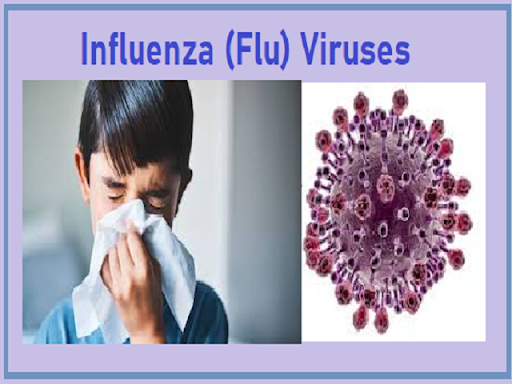 Influenza (Flu)
The flu remains a seasonal threat, with new strains that emerge each year. In 2025 too with newer strains of flu that may emerge, vaccination is recommended for prevention. Influenza or flu is a contagious respiratory illness caused by the influenza viruses. It primarily affects the nose, throat, and sometimes the lungs. Influenza can range from mild to severe and, in some cases, can lead to complications like pneumonia.
• Some symptoms of flu include fever, body aches, sore throat, fatigue, headache, and even vomiting or diarrhoea.
• Children under 5, especially those under 2, pregnant women, the elderly, and immunocompromised individuals are at higher risk for flu-related complications.
• Each year flu vaccines are updated to match newer strains of flu. Thus, with regular vaccination, the chances of flu can be reduced. Specific antiviral medication is also available which can reduce the duration of illness and reduce complications in severe cases.
Viral Risks in Children in 2025
The ongoing evolution of respiratory viruses poses unique challenges. Climate change, increased travel, and post-pandemic immunity gaps have contributed to altered patterns of viral transmission. Key risk factors for severe infections in children include:
Age: Infants and toddlers are most vulnerable.
Pre-existing Conditions: Asthma, congenital heart disease, and immunodeficiency increase the risk of viral infections.
Environmental Factors: Crowded living conditions and daycares can facilitate viral spread. With more children attending daycares at earlier ages, the risk of transmission amongst little ones is more than ever.
Recognizing Symptoms and Seeking Care
In case of any respiratory illness early identification is crucial. Parents should watch for:
• Persistent fever (lasting more than 3 days).
• Rapid or labored breathing.
• Wheezing or chest retractions.
• Dehydration signs, such as reduced urination or dry lips.
Early consultation should be sought in case of any unusual symptoms. In case required, early care in hospital settings can prevent complications.
Preventing Respiratory Illnesses in Children
The good news is that, by following similar precautions infections from all deadly viruses can be prevented. Some common precautions that are recommended include:
Hygiene Practices
-Encourage regular handwashing with soap and water in children. Ensure that they do not touch their mouth and nose with dirty hands, especially during outdoor play.
-Children should be taught to cover their mouths and noses when coughing or sneezing.
-A safe distance should be maintained from infected individuals.
-Sharing of utensils should be strictly discouraged.
-Exposure to crowded indoor settings during peak viral seasons should be avoided. This includes play areas and malls.
-Usage of facemasks should be encouraged in children above 5 years and elderly whenever required.
-Disinfect surfaces at home regularly. Example door knobs, switch buttons, and taps.
Vaccination
Though HMPV vaccination is still under development, vaccination against other pathogenic viruses is recommended to prevent viral illnesses.
-Ensure children receive annual flu vaccines.
-Discuss with a healthcare provider, about RSV vaccines or monoclonal antibody prophylaxis for high-risk infants.
Flu vaccination:
Annual influenza vaccination is the most effective way to protect against the flu and its potentially severe complications. The flu vaccine is designed to target the most prevalent strains of the virus, with formulations updated yearly based on global surveillance. It is recommended for everyone aged 6 months and older, particularly for high-risk groups such as young children, pregnant women, the elderly, and individuals with chronic health conditions. Vaccination reduces the risk of infection, severity of illness, and likelihood of hospitalization. By getting vaccinated, individuals not only protect themselves but also help prevent the spread of influenza within the community, contributing to herd immunity.
Boosting Immunity
-A balanced diet rich in fruits and vegetables is recommended to boost overall immunity and health.
-Adequate sleep and physical activity should be done to ensure good immunity. Exposure to excessive screens not only promotes a sedentary lifestyle but can also contribute to disturbed sleep due to stimulatory effects.
Protecting Vulnerable Groups
-Keep sick children at home to prevent spreading illness to others.
-Use masks in high-risk environments if needed.
Following the above precautions can promote good overall health and reduce the risk of viral infections in young children and even elderly and susceptible populations.
The Road Ahead
2025 has seen advancements in diagnostic tools, allowing for quicker identification of respiratory viruses. Multiplex PCR tests, for instance, can simultaneously detect multiple viruses, facilitating prompt treatment. Additionally, ongoing research into antiviral medications and combination vaccines holds promise for better management of respiratory illnesses in children.
HMPV, RSV, and the flu continue to pose significant challenges in pediatric health. By staying informed about these viruses and adopting proactive prevention strategies, parents and caregivers can help safeguard their children’s health. As science progresses, the hope for reducing the burden of these illnesses grows, offering a brighter and healthier future for kids worldwide.