High-Risk Pregnancy
Pregnancy is a beautiful journey of excitement and anticipation. Most pregnancies are uncomplicated. Some women have medical problems or problems during their pregnancy that require special care and close observation. They are called high-risk pregnancies. Parents may understandably be concerned when they hear the term “high-risk pregnancy,” but it’s important to understand that advances in obstetric care, fetal monitoring, and maternal medicine have greatly improved outcomes for both mother and baby.
A high-risk pregnancy does not mean that complications will occur. It just means that the pregnancy needs a little more medical attention to minimize risks and maximize the best outcome. Many women with high-risk pregnancies have healthy pregnancies and healthy babies through early diagnosis, regular prenatal care and expert guidance.
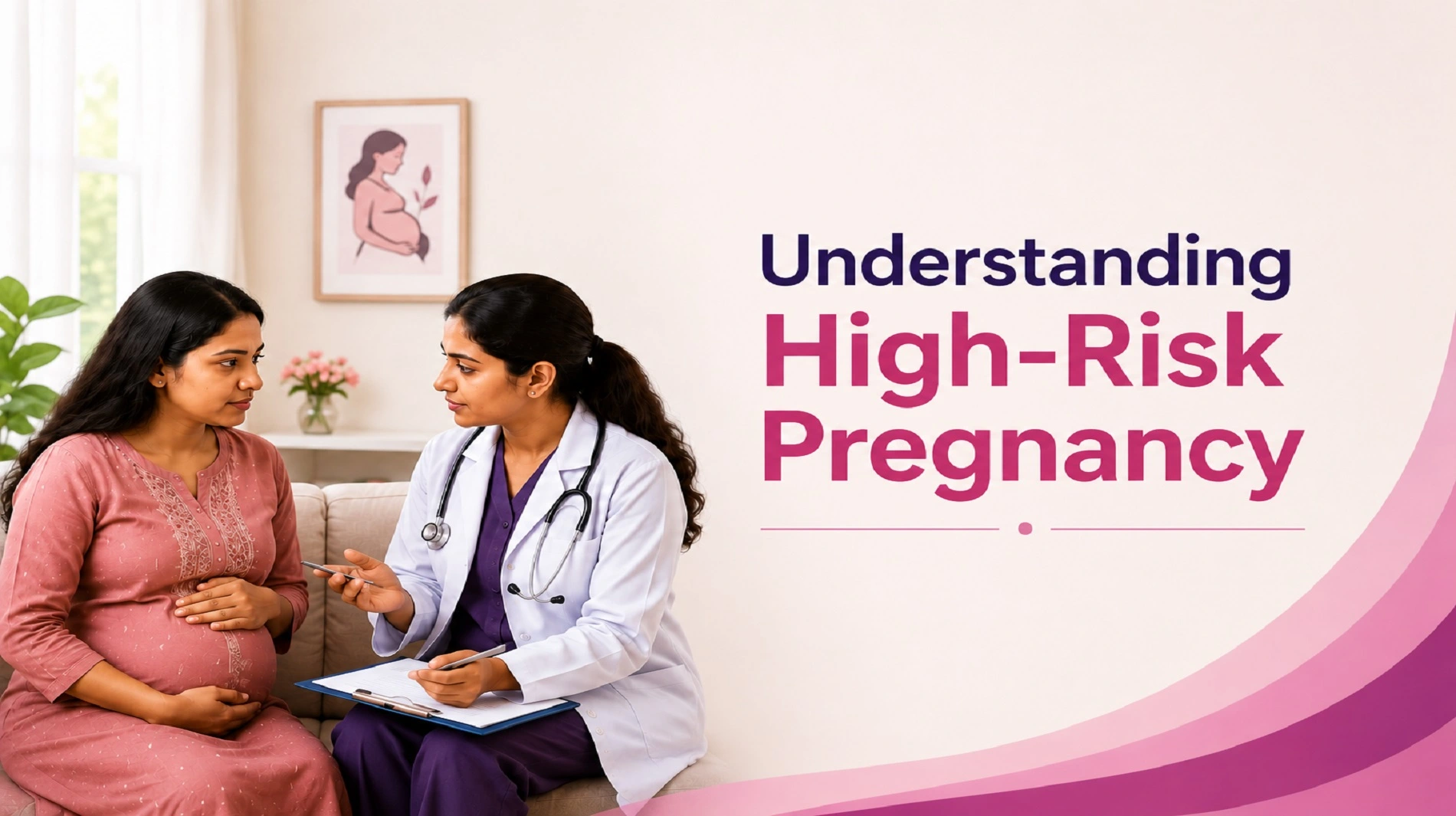
Understanding High-Risk Pregnancy
High-risk pregnancy is a pregnancy in which there is an increased risk of health problems to the mother, the baby, or both before, during, or after birth. These pregnancies require increased frequency of antenatal visits, special investigations and close supervision by an experienced obstetrician or a maternal-fetal medicine specialist.
You might have a high-risk pregnancy because of health problems you already have, problems during your pregnancy, or some problems with your baby. Identifying these risk factors early on allows health care providers to customize a plan of care that focuses on the health and safety of the mother and baby.
The term ‘high-risk’ can sound scary, but it’s just a way of ensuring you have all the extra precautions you need during your pregnancy.
What Are the Causes and Risk Factors?
A pregnancy can be considered high-risk for a variety of reasons. The age of the mother is an important factor. Pregnancies in women <17 years or >35 years should be followed up closely. Chronic health conditions such as diabetes, high blood pressure, thyroid problems, kidney disease, heart disease, autoimmune diseases, and epilepsy can also increase your risk of pregnancy complications.
Some conditions of pregnancy can occur in healthy women. These include preeclampsia (high blood pressure during pregnancy), placenta previa, multiple pregnancy (twins or triplets), cervical insufficiency, fetal growth restriction, polyhydramnios, oligohydramnios, and preterm labor.
Complications may also be increased by lifestyle factors such as smoking, alcohol consumption, obesity, poor diet, and poor prenatal care. Women who have experienced a miscarriage, stillbirth, preterm delivery, C-section, or other pregnancy complications may also be classified as high-risk.
Also remember that having one or more risk factors does not mean you will develop complications. It just means that there is a need for timely and individualized intervention and monitoring.
Complications of High-Risk Pregnancies
Occasionally there are higher risks of complications to the mother, the baby or both. Maternal complications include severe hypertension, gestational diabetes, excessive bleeding, infections, placental disorders, or emergency cesarean delivery.
Complications for the baby may include preterm birth, low birth weight, fetal growth restriction, congenital anomalies, difficulty breathing after birth, or admission to the Neonatal Intensive Care Unit (NICU). Maternal conditions, if left untreated, in some cases can also affect fetal development and the overall success of a pregnancy.
Fortunately, many of these complications can be prevented or well managed with regular prenatal visits, early diagnosis and proper medical care.
Management and Care During High-Risk Pregnancy
Management of high-risk pregnancy requires a team approach that involves obstetricians, fetal medicine specialists, physicians, nutritionists, diabetologists, neonatologists, and other specialists, depending on the mother’s health condition.
If you have a high-risk pregnancy, you’ll have even more prenatal visits. These visits are important for doctors to monitor the mother’s health, check the baby’s growth, do ultrasounds, assess the baby’s well-being and find potential problems before they become serious.
Depending on the medical condition, further tests such as blood work, fetal Doppler studies, non-stress tests (NST), biophysical profiles, genetic screening or fetal echocardiography may be suggested.
Lifestyle changes are also crucial. A healthy diet, controlling blood sugar, managing blood pressure, taking prescribed medications, following doctor’s orders for physical activity, not smoking or drinking alcohol, and attending all scheduled prenatal appointments all lead to a healthier pregnancy.
In some cases, the doctor may recommend hospitalization or planned early delivery if the risk of continuing the pregnancy is greater than the risk of delivering the baby. It’s not a decision made lightly—mother's, and baby’s health are always carefully considered.
And perhaps most importantly, please keep in mind the emotional support. A high-risk pregnancy can be an emotional experience, but talking openly with your healthcare providers, family, and support systems can help parents feel informed and reassured during the process.
Conclusion
A high-risk pregnancy needs special care, but that doesn’t mean a healthy pregnancy or safe delivery isn’t possible. Better maternal and neonatal outcomes have been the result of the timely detection of risk factors, universal antenatal screening, improved fetal surveillance, and tailored treatment regimens. If you have been identified as having a high-risk pregnancy, working with an experienced obstetric team and following medical advice can help to make the journey as safe as possible for you and your baby.
Why Choose Ankura for High-Risk Pregnancy Care?
We understand that each pregnancy is unique, and some require closer monitoring and care than others. We have obstetricians, maternal-fetal medicine specialists, fetal medicine specialists, neonatologists, anesthesiologists, and critical care physicians who collaborate to offer comprehensive care for the high-risk pregnancy. Ankura offers full care from pre-birth diagnosis to delivery and post-birth recovery and has advanced fetal imaging, modern labor rooms, neonatal intensive care units (NICUs) and evidence-based treatment protocols. A patient-focused approach, compassionate care, and multidisciplinary expertise combine to offer the safest experience possible for both mother and baby.