
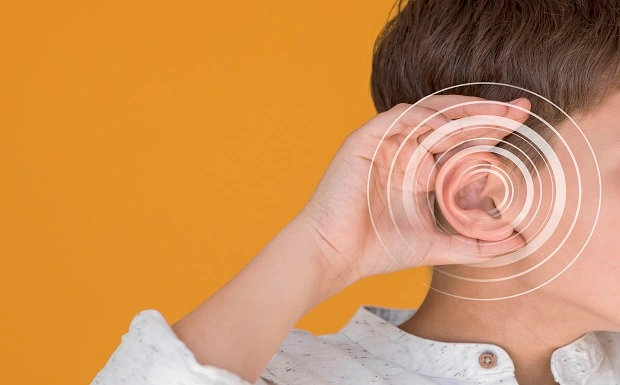
Hearing Loss in Children
Hearing is important for a child's learning, talking to others, and interacting with the world. Hearing issues in children can hinder their social skills, speech, and school performance. As a result, pediatric ENT specialists often emphasize the importance of early detection and intervention for hearing loss, as this strategy can significantly improve a child's developmental path and overall health.
Understanding hearing loss in children
Hearing loss in children can range from partial to total deafness. This condition can be present at birth (congenital) or develop later because of infections, injuries, or other medical problems.
Parents often wonder whether their child is simply ignoring them or if there may be a real hearing problem. Sometimes, subtle signs like delayed speech development, asking for clarification over and over, or a TV that is too loud may indicate that the child has a hearing problem.
Early identification is important because the first few years of life are crucial for learning how to talk and understand language.
Common causes of hearing loss in children
Pediatric ENT specialists often see hearing loss caused by several factors, such as
Otitis Media, or middle ear infections: These infections may occur repeatedly. This can cause fluid to build up in the middle ear, which can make hearing worse for a short time.
Congenital conditions: Some children are born with hearing loss because of hereditary causes or problems during pregnancy.
Earwax blockage: Too much earwax can sometimes make it difficult to hear. However, this is relatively uncommon and usually not serious.
Loud noise: Children are increasingly hearing loud noises through headphones, toys, or noise from the surroundings. This can hurt their hearing over time.
Infections and illnesses: If not treated promptly, several infections, such as measles, mumps, or meningitis, can cause hearing issues.
Signs parents should watch for
Hearing loss isn't always obvious right away, especially in young children. Here are some signs to watch for:
• Speech that develops later than expected or is difficult to understand
• Not responding when their name is called
• Having trouble following directions
• Often turning up the volume on the TV or other devices
• Having trouble with schoolwork or not being able to pay attention in class
Parents should take their child to a pediatric ENT specialist if they notice any of these things.
How pediatric ENT specialists diagnose hearing loss
A pediatric ENT exam usually includes a medical history, a physical exam, and special hearing tests.
Some common tests used to diagnose hearing loss include:
Newborn hearing screening—it is usually done soon after birth and is a way to discover hearing issues early.
Audiometry—checks how well a child can hear sounds at different levels and frequencies.
Tympanometry—checks the health of the middle ear and eardrum.
These tests help determine the type and severity of hearing loss in the child. This information is then used to design an appropriate treatment plan for the child.
Treatment for hearing loss
Treatment for hearing loss depends on the underlying cause and severity of the condition.
Medical treatment: These medicines help bring down inflammation and clear up the infection.
Minor procedures: If fluid remains in the middle ear, a pediatric ENT specialist might recommend ear tubes. These can boost hearing and reduce the likelihood of infections.
Hearing aids or assistive devices: Children with permanent hearing loss may benefit from hearing aids or other assistive devices.
Speech and language therapy: It offers a path for children whose speech development suffers due to hearing loss. This therapy helps kids develop important communication skills.
With the right treatment and support, most children with hearing loss can lead normal, active lives.
Why early intervention is crucial
Detecting hearing problems early on dramatically boosts a child's chances of a positive outcome. Early intervention helps children learn faster, grow emotionally and socially, and avoid language delays. Parents should remember that hearing loss can be managed if it is treated quickly by a professional.
Why choose Ankura for pediatric ENT care?
Ankura Hospital for Women and Children offer pediatric ENT care tailored for infants, children, and teenagers. Our specialists prioritize early detection, precise diagnosis, and child-friendly treatment for ear, nose, and throat issues, including hearing loss. We provide advanced diagnostic capabilities, multidisciplinary pediatric care, and a caring approach, ensuring each child receives individualized treatment within a secure and nurturing setting. As a hospital devoted to women and children, Ankura blends medical proficiency with family-centered care, fostering healthy growth and development throughout every stage of childhood.