Gastroesophageal Reflux in Babies: What Parents Need to Know
Becoming a parent means learning new things about your baby every day, and sometimes those discoveries can be a little worrying. One of the most common concerns parents bring up is, ‘Why does my baby keep spitting up after feeds?’ While in many infants it’s simply a normal physiological (natural) phenomenon termed as gastroesophageal reflux (GER), in a small proportion of them it may be severe, manifesting as a disease called “gastroesophageal reflux disease (GERD)”. The good news is that reflux in babies is usually normal, temporary, and rarely a cause for serious concern.
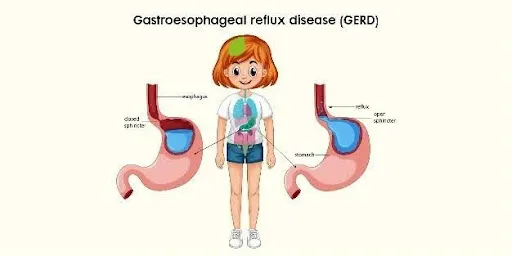
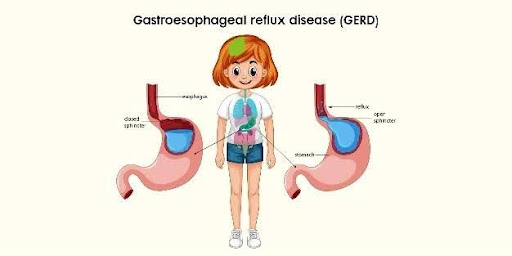
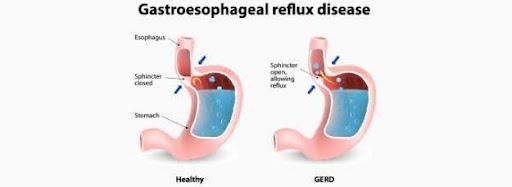
Gastroesophageal reflux (GER) occurs when the stomach contents, like milk, and sometimes a little acid, flow back into the food pipe (esophagus). When it presents as
Spitting up (regurgitation) of small amounts of milk
Otherwise, feeding well, gaining weight appropriately, no cough or feed aspirations
It is termed as physiological “GER”. In a small proportion, along with spitting up of feed, if there is one or more of
Poor weight gain
Feed refusal, back arching
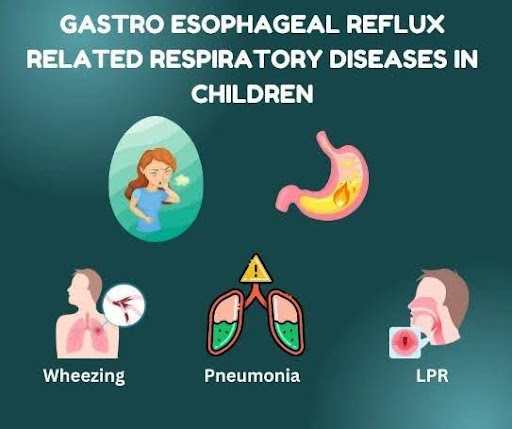
Cough after feed, aspiration pneumonia
It is termed as a disease- “GERD” Causes: Why does it happen? GER happens because a baby’s digestive system is still developing. After the food passes through the food pipe (esophagus), it enters the stomach and is prevented from entering the food pipe again with the aid of a ringlike muscle. This muscle at the bottom of the esophagus (called the lower esophageal sphincter) is still developing and not strong enough in babies. Apart from an immature and developing digestive system, some other common reasons why babies experience reflux include:
Liquid diet: Babies only drink milk, which refluxes easily when compared with semisolids or solid food.
Overfeeding: Sometimes parents feed more than needed, which increases stomach distension. Especially as gas is also sucked into the stomach while feeding, there is a transient relaxation of the lower esophageal sphincter, and this, in turn, increases GER.
Lying flat most of the time: Babies lie flat for most of the time; thus, gravity doesn’t help in mitigating the reflux.
Yes, the gastroesophageal reflux is very prevalent in babies. Approximately half of all healthy infants under three months old spit up at least once a day. It usually peaks around 4–5 months, after which most babies outgrow the reflux as their digestive system matures. By 12 to 18 months, this condition typically improves or resolves completely.
Signs of a Normal Reflux
If your baby is otherwise happy, feeding well, and gaining weight, reflux is usually nothing to worry about. Common signs about which a parent needn’t worry include:
Gaining weight appropriately
Feeding well
The above is sometimes called the happy spitter reflux.
When to Be Concerned?
A parent should consult a pediatric gastroenterologist in case they notice the following signs:
Poor weight gain or weight loss
Excessive irritability or crying during/after feeds
Refusal to feed or difficulty swallowing
Frequent coughing, wheezing, or breathing troubles
Forceful vomiting
Green or blood-stained vomit
Any acute life-threatening event (especially if associated with vomiting)
These could be signs of gastroesophageal reflux disease (GERD), which differs from normal infant reflux (GER) and requires treatment.
What can Parents do?
Most of the time, simple lifestyle adjustments can make a big difference. Below are some simple tips that can help minimise discomfort and reflux in babies: Feeding Tips: Parents can make feeding easier for their baby by offering smaller amounts more frequently, rather than one large feed, and ensuring they burp their baby both during and after feeds. Keeping your little one upright for 20–30 minutes after feeding can also help reduce spit-ups, as it allows some time for the milk to empty from the stomach into the small intestine. If you’re bottle-feeding, check that the nipple hole isn’t too large, as this can cause your baby to swallow excess air and worsen reflux. Positioning Tips: After feeding, try to avoid laying your baby flat right away; instead, hold them upright in your arms, help them burp, and allow gravity to reduce the reflux while the milk is in the stomach. However, it’s essential not to use pillows or wedges to prop up the crib, as these can be unsafe for infants. Formula or Breastfeeding Adjustments: Some babies may react to cow’s milk protein or formula ingredients, which can lead to a worsening of reflux. A pediatric gastroenterologist can help identify such allergies and suggest a change in formula or the diet of breastfeeding mothers. Early introduction of semisolids: Based on your individual needs, your doctor will advise you on the early introduction of semisolids (after four completed months of age) to help manage reflux events. Similarly, feed thickeners may be suggested by your doctor for the younger infants. These measures help decrease reflux episodes, but should be done after consulting with your doctor.
In most cases, no medication is needed. Since reflux usually improves on its own with age and introduction of semisolids and solids in the diet, doctors recommend patience and comfort measures. Medicines are only considered if the reflux is causing disease i.e, “GERD”. Again, before starting these medicines, consult your doctor to check if no other confounders are present and whether other differential diagnoses, such as milk allergy, need attention. The majority of these infants will not require any form of testing or investigations for GER/GERD. Medication, if prescribed, is closely monitored by the pediatric gastroenterologist to ensure the safety and health of babies.
Reassurance for Parents
It’s natural to feel anxious when your baby spits up often, but remember, spitting up is usually a phase, not a disease. Most babies outgrow it without any treatment. In cases of concern or doubt, a pediatric gastroenterologist can help parents understand the exact cause of the condition and provide treatment to ensure the health and well-being of the baby. Gastroesophageal reflux in babies is common and usually harmless. A few simple adjustments to feeding and positioning can often make a significant difference. However, it’s prudent to always keep an eye on your baby’s overall health, feeding habits, and weight to ensure everything is fine.
Why choose Ankura?
Ankura Hospital for Women and Children boasts a top-notch team of pediatric gastroenterologists dedicated to delivering empathetic and high-quality care for infants and children. We offer the most advanced and world-class setup for pediatric gastroenterology, where every child receives personalized care, clinical excellence, and compassion. Our multidisciplinary team is equipped to diagnose and manage a wide range of gastrointestinal, liver, pancreatic, and nutritional disorders. Whether it’s a regular consultation or endoscopies in children, our expert team ensures safe, accurate, and child-friendly procedures using the latest technology in a comfortable environment. At Ankura, we believe in a family-centered approach, ensuring parents are involved in every step of the care process. With state-of-the-art diagnostic tools, child-friendly facilities, and 24/7 pediatric support, Ankura remains a trusted destination for children’s digestive health.
Our healthcare specialists are equipped with the knowledge and skills to provide you with the support you require. From consultation to diagnosis to treatments, our experts are dedicated to helping you.