
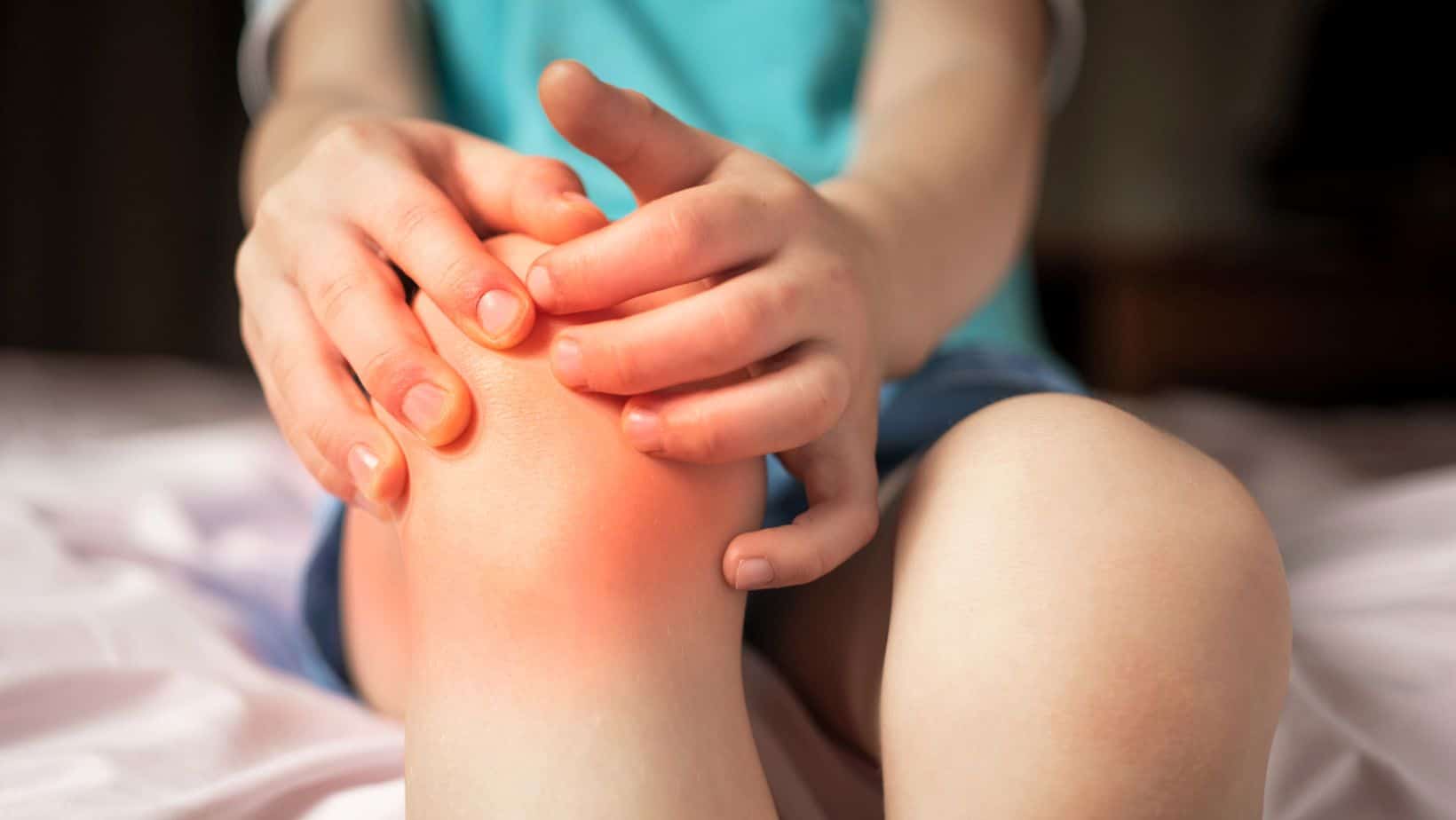
If your child has had joint pain and swelling for over two weeks without a clear bump or fall, don't just take a "wait and see" approach. Getting an early checkup with a pediatric rheumatologist is the best way to uncover what's really going on, get an accurate diagnosis, and start the right plan to keep your child moving and playing comfortably.
If childhood arthritis is on the table, involving a specialist early can dramatically speed up diagnosis and treatment, helping your child get back to playing, moving, and staying healthy.
What Are The Early Signs Of Arthritis In Children?
Catching childhood arthritis early can be tricky because the warning signs often creep up slowly. Parents should watch out for persistent joint swelling, morning stiffness, a joint that feels warm to the touch, limited range of motion, or a subtle, unexplained limp. These symptoms can build up gradually; they are surprisingly easy to miss at first.
Joint Swelling or Warmth
Visibly swollen or puffy joints are a key warning sign, particularly if there’s no recent tumble or sports injury to blame. You might also notice the area feels warm or sensitive when touched. Remember, these signs can pop up isolated to a single joint like an ankle or knee or spread across multiple spots at the same time.
Morning Stiffness and Reduced Movement
Recurrent morning gelling and joint rigidity warrant comprehensive pediatric evaluation. This prolonged stiffness directly impairs functional mobility, complicating routine tasks such as dressing, ambulation, stair navigation, and fine motor dexterity. A key observational indicator is the delayed recovery period the child needs to regain normal baseline movement after sleep.
These recurring patterns tell us more than a one-off complaint about joint pain, but they still aren't enough to give you a definitive answer on their own.
How Is Childhood Arthritis Different From Growing Pains?
Differentiating juvenile arthritis from benign nocturnal limb pains relies on distinct physical markers. Inflammatory arthritis presents with persistent joint effusion, prolonged morning gelling, range-of-motion deficits, and functional decline. Conversely, classic growing pains exhibit an intermittent, self-limiting course without localized swelling, physical deformity, or structural movement restrictions.
Growing pains usually affect the leg muscles and tend to flare up late in the day or at night. Kids dealing with typical growing pains still run, play, and go about their normal day without persistent stiffness or puffy joints. Inflammatory conditions work differently; they cause joint symptoms that repeatedly disrupt how a child moves, especially right after waking up or after sitting still for a while.
That said, joint discomfort can stem from all sorts of things, ranging from minor sports injuries to underlying infections and other health issues. It's best not to guess or diagnose based on symptoms alone; seeing a doctor is the safest bet.
When Should A Child See A Pediatric Rheumatologist?
It’s time to book a doctor’s appointment if your child's joint issues don't go away, keep coming back, or lack a clear explanation. You should definitely get a professional opinion if you notice swelling, stiffness, or a limited range of motion, or if the pain starts getting in the way of their everyday play and activities.
It's a good idea to schedule a chat with your pediatrician if you start seeing any of these warning signs:
- Swelling that won't go away or keeps coming back in the same joint
- Mornings starting with stiff, locked-up joints on a regular basis
- A sudden, unexplained limp or favoring one side
- Trouble bending, straightening, or moving a limb normally
- Joint issues popping up in more than one spot
- Pulling back from play, sports, school, or other daily fun
- Joint pain paired with systemic signs like fevers, new rashes, low energy, or sudden behavioral changes
Why Getting Answers Early Makes a Difference
Taking action early gives doctors a chance to dig into what’s causing those persistent symptoms and decide whether seeing a specialist is the right move. A pediatric rheumatologist looks at the whole picture: checking your child’s health history, doing a thorough physical exam, and using blood work or scans if needed.
Remember, joint pain doesn't automatically mean arthritis, and no single lab test or symptom diagnoses every rheumatic condition.
How Can Parents Find the Right Rheumatology Hospital for Children?
When searching for a dedicated rheumatology hospital for children, look for a facility with a specialized pediatric unit and a team of doctors who spend their days treating childhood inflammatory and autoimmune conditions. You want experts who truly understand how these conditions affect growing bodies.
Key things to keep on your radar include:
- Access to kid-friendly lab work and imaging tailored for small bodies
- Consultations designed around children, keeping exams gentle and stress-free
- Smooth teamwork with other pediatric specialists when care gets complex
- Clear, honest communication so you never feel left in the dark
- Reliable long-term follow-up care for conditions that need ongoing check-ins
If you're currently searching for an immunologist or rheumatologist near me, remember to weigh specialized pediatric expertise and dedicated child-focused facilities just as heavily as travel time and location.
Why Trust Us With Your Child’s Rheumatology And Immunology Care?
Our Pediatric Rheumatology & Immunology team focuses on identifying the cause of joint pain, inflammation, and immune concerns in a way that puts your child at ease. Specialized care helps us spot subtle warning signs that might otherwise go unnoticed, so we can decide whether extra testing or a multi-doctor care plan makes sense.
With child-friendly evaluations, dedicated diagnostic tools, and access to a full team of pediatric experts when needed, our goal is to give you clear answers about your child's health and practical advice on next steps. For families searching for a dedicated rheumatology hospital for children, choosing a clinic built specifically around kids makes all the difference for growing bodies.