
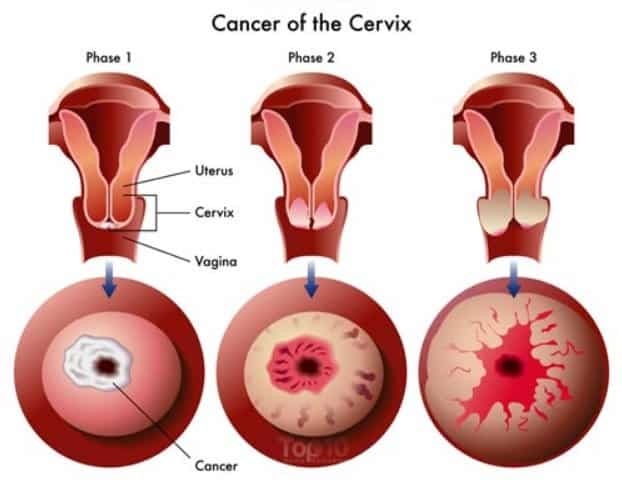
Cervical cancer is one of the most preventable cancers affecting women. Yet, thousands of women continue to be diagnosed every year, often because the disease was detected at an advanced stage.
One of the biggest challenges with cervical cancer is that it can remain completely silent during its early stages. Many women do not experience noticeable symptoms until the disease has progressed. This makes awareness and regular screening extremely important.
The good news is that when detected early, cervical cancer is highly treatable, and in many cases, it can be prevented altogether.
Understanding the warning signs, risk factors, and importance of screening can help women take timely action and protect their long-term health.
What Is Cervical Cancer?
The cervix is the lower part of the uterus that connects the womb to the vagina.
Cervical cancer develops when abnormal cells in the cervix begin to grow uncontrollably. In most cases, these abnormal changes occur gradually over several years, providing a valuable opportunity for early detection and treatment.
Unlike many other cancers, cervical cancer has a well-established screening program that can identify precancerous changes before they develop into cancer.
The Link Between HPV and Cervical Cancer
The majority of cervical cancer cases are linked to persistent infection with the Human Papillomavirus (HPV).
HPV is a very common virus that spreads through intimate skin-to-skin contact. Most HPV infections clear on their own without causing problems. However, some high-risk HPV types can persist and gradually lead to cervical cell changes that may progress to cancer if left untreated.
This is why HPV vaccination and regular screening play a vital role in cervical cancer prevention.
Why Cervical Cancer Is Often Called a Silent Disease
One reason cervical cancer can be dangerous is that symptoms often do not appear during the early stages.
Many women feel completely healthy while abnormal changes are developing in the cervix.
Since early cervical cancer may not cause pain or discomfort, routine screening is often the only way to detect the disease before symptoms develop.
This is why regular gynecological check-ups should not be ignored, even when you feel perfectly well.
Hidden Signs of Cervical Cancer Every Woman Should Know
Abnormal Vaginal Bleeding
One of the most common warning signs is unusual vaginal bleeding.
This may include:
- Bleeding between periods
- Bleeding after sexual intercourse
- Bleeding after menopause
- Menstrual bleeding that becomes unusually heavy or prolonged
Although these symptoms do not always indicate cancer, they should always be evaluated by a gynecologist.
Unusual Vaginal Discharge
Vaginal discharge is normal for most women.
However, discharge that becomes:
- Persistent
- Foul-smelling
- Blood-stained
- Watery and excessive
may require further evaluation.
Changes that persist for several weeks should never be ignored.
Pain During Intercourse
Pain or discomfort during sexual activity can occur for several reasons.
In some women, cervical abnormalities may cause:
- Pain during intercourse
- Bleeding after intercourse
- Pelvic discomfort afterward
A gynecological evaluation can help determine the underlying cause.
Persistent Pelvic Pain
Ongoing pelvic discomfort that is not linked to the menstrual cycle deserves medical attention.
Women may experience:
- Dull pelvic aching
- Lower abdominal discomfort
- Pressure sensation in the pelvis
While many benign conditions can cause these symptoms, cervical cancer should always be ruled out when symptoms persist.
Lower Back Pain
Persistent lower back pain without a clear explanation may occasionally occur in advanced cervical disease.
Women often assume the discomfort is musculoskeletal and delay seeking medical attention.
If back pain is associated with abnormal bleeding or discharge, medical evaluation becomes particularly important.
Changes in Bladder or Bowel Habits
Advanced cervical cancer may sometimes affect nearby organs.
Potential symptoms include:
- Frequent urination
- Difficulty passing urine
- Blood in urine
- Constipation
- Pain during bowel movements
These symptoms require prompt medical assessment.
Who Is at Higher Risk of Cervical Cancer?
Several factors can increase the likelihood of developing cervical cancer.
Persistent HPV Infection
This remains the most important risk factor.
Early Sexual Activity
Earlier exposure may increase the likelihood of HPV infection.
Multiple Sexual Partners
The risk of HPV exposure increases with multiple partners.
Smoking
Smoking weakens the body's ability to clear HPV infections and increases cervical cancer risk.
Weakened Immune System
Women with reduced immunity may have difficulty clearing persistent HPV infections.
Lack of Regular Screening
Women who skip routine screening are more likely to develop advanced disease before detection.
Why Regular Screening Saves Lives
Screening allows doctors to identify abnormal cell changes long before cancer develops.
The primary goal is prevention.
When precancerous lesions are detected early, treatment can prevent progression to cervical cancer.
This makes cervical cancer one of the most preventable gynecological cancers.
What Is a Pap Smear Test?
A Pap smear is a simple screening procedure performed during a gynecological examination.
During the procedure:
- Cells are collected from the cervix
- Samples are sent for laboratory analysis
- Abnormal cellular changes can be identified
The test usually takes only a few minutes and is generally well tolerated.
Regular Pap smear testing has significantly reduced cervical cancer rates worldwide.
What Is HPV Testing?
HPV testing identifies the presence of high-risk HPV strains associated with cervical cancer.
In many women, HPV testing may be combined with a Pap smear for more comprehensive screening.
Your gynecologist will recommend the most appropriate screening schedule based on your age, medical history, and risk factors.
Can Cervical Cancer Be Prevented?
Yes. Cervical cancer is among the most preventable cancers.
HPV Vaccination
The HPV vaccine helps protect against high-risk HPV types responsible for most cervical cancer cases.
Vaccination is most effective when administered before exposure to HPV.
Regular Screening
Routine Pap smears and HPV testing remain essential even for vaccinated women.
Safe Sexual Practices
Reducing HPV exposure lowers risk.
Avoid Smoking
Stopping smoking improves overall cervical health.
Routine Gynecological Care
Regular check-ups allow early detection of abnormalities and timely treatment.
What Happens If Screening Detects Abnormal Cells?
An abnormal screening result does not necessarily mean cancer.
Depending on the findings, your doctor may recommend:
- Repeat testing
- Colposcopy
- Cervical biopsy
- Further evaluation
Many precancerous changes can be treated successfully before they become cancerous.
Early diagnosis provides the best outcomes.
Recent Advances in Cervical Cancer Prevention
Advances in women's healthcare have dramatically improved cervical cancer prevention.
Today, the combination of:
- HPV vaccination
- HPV testing
- Pap smear screening
- Early intervention
has significantly reduced cervical cancer rates in countries with established screening programs.
Experts now emphasize prevention-focused gynecological care rather than waiting for symptoms to appear.
The message is simple: Screening should start before symptoms begin, not after.
When Should You See a Gynecologist?
Consult a gynecologist if you experience:
- Bleeding between periods
- Postmenopausal bleeding
- Bleeding after intercourse
- Persistent vaginal discharge
- Pelvic pain
- Pain during intercourse
- Any unusual changes in menstrual patterns
Early evaluation can provide reassurance and, when necessary, facilitate timely treatment.
Key Takeaways
- Cervical cancer often develops without symptoms in its early stages.
- Persistent HPV infection is the leading cause of cervical cancer.
- Abnormal bleeding and unusual discharge should never be ignored.
- Pap smear and HPV testing can detect disease before symptoms appear.
- HPV vaccination significantly reduces risk.
- Regular gynecological screening is the most effective way to prevent cervical cancer.
- Early detection leads to better treatment outcomes.
What are the early symptoms of cervical cancer?
Early cervical cancer may not cause symptoms. Warning signs may include abnormal vaginal bleeding, bleeding after intercourse, unusual discharge, and persistent pelvic pain.
Can cervical cancer occur without symptoms?
Yes. Many women experience no symptoms during the early stages, which is why routine screening is so important.
How often should women get a Pap smear?
Screening frequency varies by age and risk factors. Your gynecologist will recommend an appropriate schedule.
Can cervical cancer be prevented?
Yes. HPV vaccination, regular Pap smears, HPV testing, and routine gynecological care can significantly reduce the risk.