Anaemia in children is a significant public health problem in our country. Nutritional anaemias are the most common causes of anaemia. Everyone, especially infants and children need Iron. It is one of the most vital minerals for children's bodies during their growth years. Energy, immunity, brain growth, and the production of red blood cells (haemoglobin) all depend on it. Iron deficiency can cause fatigue, paleness, and delayed learning, particularly in infancy. Because of this, adding foods that are rich in iron to your child's diet is one of the easiest methods to boost their general health. According to the World Health Organization (WHO), iron deficiency anaemia is one of the most common nutritional disorders worldwide.
What does iron do for the body in children?
Iron benefits the body in several important ways, especially in children:
Promotes brain development: Iron carries oxygen to the brain, promoting neurodevelopment and brain growth.
Strengthens immunity: Iron helps kids fight off illnesses by fortifying the immune system.
Improves energy levels: Children who are iron-deficient often feel weak and low in energy.
Keeps blood healthy: The synthesis of haemoglobin, a protein found in red blood cells that transports oxygen throughout the body, requires iron.
Iron comes in two forms:
Heme iron (from animal sources like meat and eggs) is more easily absorbed.
Non-heme iron (from plant sources like spinach) is less efficiently absorbed but can be improved by pairing with vitamin C-rich foods like lemon or amla.
Children with iron deficiency anaemia look pale, tire easily, and have a poor appetite.
Infants and children typically require 10 mg of iron per day. Teenagers need 12–15 mg daily.
You can make sure your child is getting enough iron through a few simple steps:
Keep your child on breast milk or iron-fortified formula until age 1.
Give your child iron-fortified infant cereals up to age 18 months.
Include a variety of foods in your child's diet, including a high-protein food (meat, chicken, eggs, dried beans) at lunch and dinner.
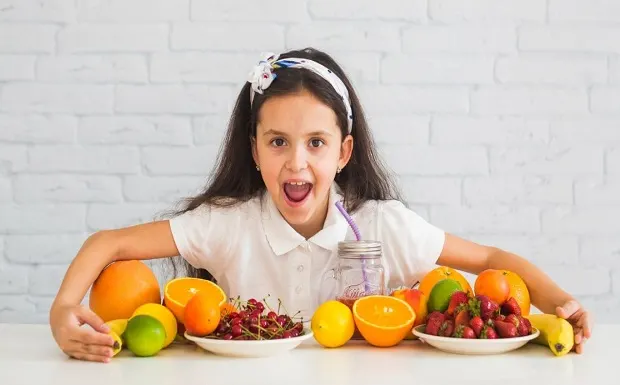
Include foods high in vitamin C, such as fruits and vegetables, in your child's regular diet. Vitamin C-rich foods and juices help in the absorption of iron.
Oranges, strawberries, grapefruit, tomatoes, green peppers, broccoli, and 100% fortified fruit juice are a few foods that are rich in vitamin C.
Serve meals that are rich in iron.
Organ meats, poultry, eggs, fish, leafy green vegetables, iron-fortified cereals, dried fruits, and peanut butter are among the best sources.
The following list includes some of the best iron-rich foods for infants that are typically found in Indian homes, as well as other readily available and frequently utilised iron-rich foods:
Ragi
One of the best food grains in India that is rich in iron is ragi. It also contains a lot of fibre and calcium.
It can be served as ragi ladoos, ragi dosa, or porridge.
For young children and toddlers, it's a healthy option.
Spinach
Iron, fibre, and vitamins A and C are all abundant in spinach, a dark green leafy vegetable.
Add it to soups, dal, and parathas.
One of the best vegetarian foods in India that is rich in iron is spinach.
Jaggery
In addition to being delicious, this classic sweetener provides a wonderful source of iron.
Serve it with ragi ladoos, chana, or peanuts for a quick and wholesome snack.
Use it instead of refined sugar for a healthier option.
Dates
Dates are perfect for kids with a sweet craving because they are naturally sweet and rich in iron. It is among the easiest fruits packed with iron to serve to kids.
Add them to fruit salads, smoothies, and oatmeal.
They are rich in potassium and help with digestion.
Rajma (Kidney Beans)
Rajma is an excellent source of fibre, protein, and iron. It provides a balanced meal when cooked properly and served with rice or roti. Iron absorption from rajma is improved by soaking it overnight.
You can include rajma in many simple Indian dishes, such as mashed rajma sabzi or
rajma paratha stuffing.
Eggs
Eggs, particularly the yolk, are a good source of iron and complete protein. For growing children who are both eggetarians and non-vegetarians, this is a great choice.
Serve as an omlet, boiling eggs, or scrambled eggs.
Particularly when the weather changes, children who are iron-deficient are more prone to diseases and fatigue. A healthy diet is essential for maintaining their overall well-being.
Conclusion
Including foods that are rich in iron, such as ragi, spinach, rajma, and dates, in your child's diet is a practical and efficient method to promote their healthy growth. In addition to preventing the symptoms of iron deficiency anaemia, a balanced diet provides a strong foundation for general health. For expert guidance, visit our pediatric specialists at Ankura hospital.
Why Choose Ankura Hospital for Diet and Anaemia Care in Children?
At Ankura Hospital, we understand that anaemia in children needs the right balance of nutrition, diagnosis, and expert medical care. Our pediatric team works closely with pediatric hematologists to identify the exact cause of anaemia and provide personalised treatment plans.
Whether anaemia is due to nutritional deficiency, repeated infections, genetic blood disorders, or other medical conditions, our experts ensure timely evaluation and care. With child-friendly facilities, advanced diagnostic support, and compassionate care, Ankura Hospital focuses on improving your child’s energy levels, immunity, and overall growth.