
Dengue, Viral Fever or Flu? What Parents Should Watch for This Monsoon
Monsoon season brings cooler weather, chai cravings, and happy puddle jumps for children. But for parents, it also marks the beginning of frequent fevers, viral infections, and mosquito-borne illnesses.
One of the biggest concerns families face during this time is determining whether a child’s fever is simply a seasonal viral infection, the flu, or something more serious like dengue.
The challenge is that the symptoms often look similar in the beginning.
At Ankura Hospital, pediatric specialists commonly see an increase in dengue cases, viral fevers, and flu infections during monsoon months across Hyderabad. While many children recover well with proper care, delayed attention to warning signs can sometimes lead to complications.
Understanding the difference and knowing when to seek medical help can make all the difference for your child’s recovery.
Why Do Children Fall Sick More Often During Monsoon?
Rainy weather creates conditions that allow infections to spread quickly.
Mosquitoes breed faster in stagnant water, viral infections spread easily in schools and crowded places, and fluctuating temperatures can weaken immunity in children.
Children are naturally more vulnerable because their immune systems are still developing. Frequent exposure to infections at schools, daycares, and play areas further increases the risk.
What Is Dengue Fever?
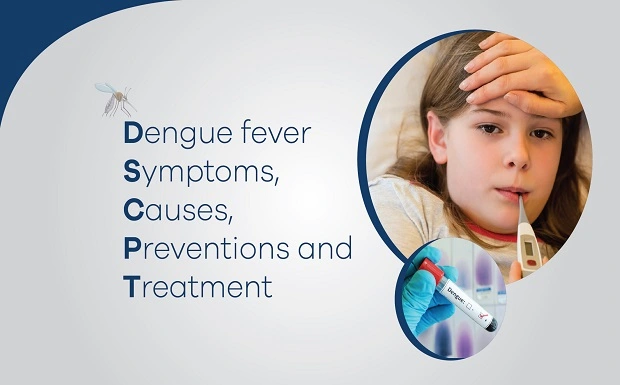
Dengue Fever is a viral infection spread through the bite of infected Aedes mosquitoes.
Dengue cases rise sharply during monsoon because stagnant water around homes, construction sites, coolers, flower pots, and open containers becomes a breeding ground for mosquitoes.
Common Symptoms of Dengue in Children
- Sudden high fever
- Severe body pain
- Extreme tiredness
- Headache
- Pain behind the eyes
- Vomiting
- Skin rash
- Loss of appetite
Some children may also experience a drop in platelet count.
Dengue Warning Signs Parents Should Never Ignore
Parents should seek immediate medical care if a child develops:
- Persistent vomiting
- Severe stomach pain
- Bleeding gums
- Blood in stools or vomit
- Excessive sleepiness
- Reduced urine output
- Breathing difficulty
- Extreme weakness
These symptoms may indicate severe dengue and require urgent monitoring.
What Is Viral Fever?
Viral Fever is a broad term used for fever caused by common viral infections.
Most viral fevers improve within a few days with adequate hydration, rest, and supportive treatment.
Symptoms of Viral Fever in Children
- Mild to moderate fever
- Runny nose
- Sore throat
- Mild cough
- Body pains
- Fatigue
- Reduced appetite
Compared to dengue, viral fever symptoms are usually milder and children often remain relatively active.
What Is Flu in Children?
Influenza is a contagious respiratory infection caused by influenza viruses.
Flu spreads rapidly during seasonal changes and school outbreaks.
Common Flu Symptoms
- Fever with chills
- Cough
- Sore throat
- Nasal congestion
- Muscle pain
- Headache
- Fatigue
Some children may also develop wheezing or breathing difficulties, especially younger children or those with asthma.
So How Can Parents Identify the Difference?
Many parents ask:
- “How do I know if my child has dengue?”
- “Is every fever during monsoon dangerous?”
- “When should I take my child to the hospital?”
While symptoms may overlap, there are some clues parents should observe carefully.
Children with dengue often appear more tired, weak, and complain of severe body pain. Some may develop rashes or vomiting.
Children with viral fever usually have mild cold symptoms and recover gradually over a few days.
Flu infections commonly involve respiratory symptoms such as cough, throat pain, and nasal congestion.
However, it is important to remember that home diagnosis is not always reliable. Blood tests and pediatric evaluation may sometimes be necessary to identify the exact cause.
Why Parents Should Not Ignore Persistent Fever
A common mistake many families make is assuming every fever is “just viral.”
While many fevers are harmless, some infections can worsen quickly in children.
Delayed treatment may lead to:
- Dehydration
- Severe weakness
- Breathing difficulty
- Platelet complications
- Hospitalization
Parents should especially monitor hydration levels, urine output, alertness, and appetite during fever episodes.
At Ankura Hospital Pediatric Emergency Services, doctors closely monitor children for warning signs and complications during monsoon-related illnesses.
Why Platelet Count Alone Should Not Cause Panic
During dengue season, many parents become anxious after hearing about platelet counts.
But pediatricians explain that platelet count is only one part of the overall assessment.
A child’s hydration status, activity level, blood pressure, breathing pattern, and warning symptoms are equally important.
Not every child with low platelets requires admission, and not every child with normal platelets is completely risk-free.
This is why medical monitoring matters more than self-medication or panic-driven treatment.
How Parents Can Protect Children During Monsoon
Prevention remains the best defense during monsoon season.
To Reduce Dengue Risk
- Avoid stagnant water near home
- Empty coolers and containers regularly
- Use mosquito repellents
- Dress children in full sleeves
- Use mosquito nets, especially at night
To Prevent Viral Infections and Flu
- Encourage regular handwashing
- Keep children hydrated
- Avoid crowded places during outbreaks
- Ensure proper sleep
- Give nutritious home-cooked food
Seasonal flu vaccination may also be advised for some children after pediatric consultation.
What Parents Should Avoid During Fever
Avoid:
- Self-medication
- Unnecessary antibiotics
- Giving painkillers without medical advice
- Ignoring dehydration
- Delaying medical consultation in severe symptoms
Not every fever requires antibiotics, and improper medication may sometimes worsen complications.
When Should You Take Your Child to the Hospital?
Parents should seek immediate pediatric consultation if the child has:
- Fever lasting more than 2–3 days
- Continuous vomiting
- Poor fluid intake
- Extreme sleepiness
- Breathing difficulty
- Seizures
- Severe weakness
- Bleeding symptoms
- Reduced urine output
Young children can deteriorate quickly, especially during dengue and severe flu infections.
Why Choose Ankura Hospital for Pediatric Fever Care?
At Ankura Hospital, our pediatric specialists are experienced in managing:
- Dengue fever in children
- Viral fevers
- Seasonal flu infections
- Pediatric dehydration
- Respiratory infections
- Pediatric emergencies during monsoon
With advanced pediatric diagnostics, experienced emergency teams, and child-focused care, Ankura ensures timely treatment and close monitoring for children during seasonal illnesses.
Our goal is not just treating fever — but helping families feel reassured and supported during stressful situations.