Common Anaemia in Children
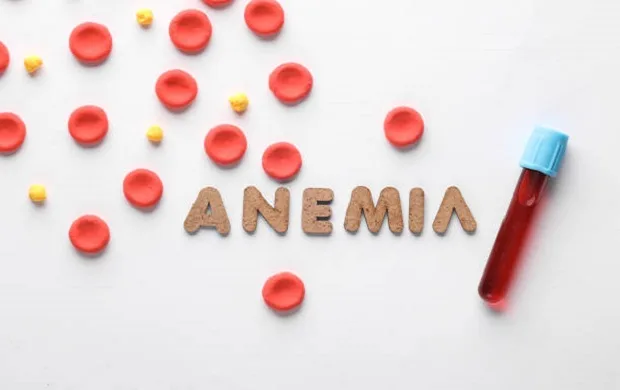
One of the most prevalent conditions among children is anaemia, which is more evident during the active growth phase. It is a condition characterized by lack of sufficient red blood cells and haemoglobin, which helps in transporting oxygen in the body. This makes children weak, easily tired, and inactive. However, if it goes untreated for a long time, it would negatively affect their growth and development.
Causes of Anaemia in Children
The most common cause of anaemia in children is iron deficiency. Iron is essential for the production of haemoglobin, and a lack of it can lead to reduced oxygen supply in the body.
Common causes and etiology include:
- Poor diet lacking iron-rich foods
- Increased nutritional needs during growth spurts
- Excessive milk intake, which reduces iron absorption
- Deficiency of vitamin B12 or folic acid
- Worm infestations
- Chronic infections or illnesses
- Genetic conditions like thalassemia
Understanding the cause is important to provide the right treatment.
Symptoms of Anaemia in Children
Most symptoms of anaemia are due to the lack of oxygen in the cells. Many of the symptoms don't occur with mild anaemia. The symptoms of anaemia can vary depending on its severity.
Common symptoms include:
- Pale skin, lips, or nails
- Fatigue and low energy levels
- Weakness and reduced activity
- Poor appetite ,Consumption of non nutritive substances -PICA
- Irritability
- Dizziness or headaches
- Shortness of breath during physical activity
- Delayed growth and development
If these symptoms are noticed, it is important to consult a pediatrician.
Diagnosis of Anaemia
Anaemia in children can be detected by conducting a simple blood test. The following can be advised by a pediatric hematologist for diagnosing anaemia in children: Complete Blood Count (CBC) including peripheral smear to detect haemoglobin levels, iron studies to determine iron levels, and additional tests based on history and clinical findings. Early diagnosis helps in timely and effective treatment.
Treatment and Management
Initial treatment begins with careful assessment of the signs and symptoms of the anaemia . Treatment of anaemia depends on its cause and severity. General modes of treatment include dietary plan, medications blood transfusions, or even stem cell transplant in inherited marrow failure syndrome. Your child's healthcare provider would refer you to a pediatric hematologist. Treatment may include:
Vitamin and mineral drops or suspension
Changing your child's diet
To stop medications which can suppress bone marrow and cause anemia
Blood transfusions
Stem cell transplants
In most cases of iron deficiency, it can be managed effectively with: Iron-rich diet including leafy vegetables, lentils, jaggery, dates, eggs, and meat. Vitamin C-rich foods to improve iron absorption. Iron supplements prescribed by a doctor.
Prevention of Anaemia in Children
Preventing anaemia is possible with simple lifestyle and dietary habits:
Ensure a balanced and nutritious diet
Include iron-rich and vitamin-rich foods
Limit excessive milk consumption
Maintain good hygiene and regular deworming
Encourage healthy eating habits from an early age
Schedule regular health check-ups
Conclusion
Anaemia is a common but manageable condition in children. With the right nutrition, early detection, and proper medical care, it can be effectively treated and prevented. Parents should stay alert to symptoms and focus on a healthy diet to support their child’s growth and development. Early intervention plays a key role in keeping children active, healthy, and full of energy.
Why should I choose Ankura Hospital if my child has anaemia?
At Ankura Hospital, your child’s health is evaluated with a comprehensive and child-friendly approach. Our expert team carefully assesses the cause of anaemia, dietary habits, and overall growth. With advanced diagnostic support and personalized treatment plans, we focus on treating the root cause. From nutritional counselling to managing complex conditions, Ankura Hospital ensures compassionate care and long-term wellness for your child.