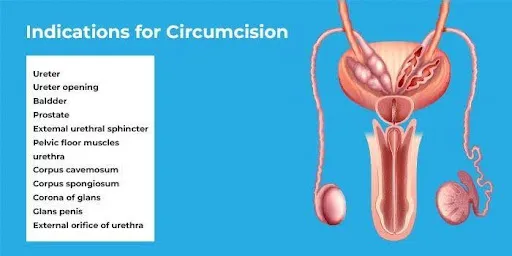
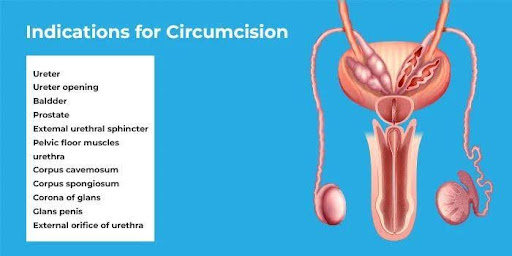
Circumcision is a surgical procedure involving the removal of the foreskin—the protective skin covering the head of the penis. This practice has been debated for centuries, influenced by various religious, medical, and cultural reasons. In this article, we’ll explore the subject of circumcision in children.
Circumcision is commonly practiced among communities like Jews and Muslims. Families may choose circumcision to follow religious or cultural traditions. 2. Medical Reasons:
Circumcision may be recommended for specific medical conditions, including:
Phimosis: A condition where the foreskin becomes too tight to retract over the penis head, causing discomfort and increasing the risk of infection. Circumcision can prevent these complications.
Paraphimosis: When the foreskin gets trapped behind the glans, leading to swelling and circulation problems, emergency circumcision may be needed.
Recurrent Balanitis: Frequent inflammation of the glans that doesn’t respond to treatment may warrant circumcision.
UTIs: Some evidence suggests circumcision may reduce the risk of urinary tract infections (UTIs) in newborn males, although this association remains inconclusive.
Stapler circumcision uses a device called an Anastomat, which removes the foreskin and replaces it with a silicone ring that falls off within 7-10 days. This method minimises blood loss and promotes faster recovery, typically within a few weeks.
Laser circumcision removes the foreskin using a high-powered laser, minimising bleeding and avoiding cuts or stitches. It heals quickly and is increasingly popular.
Considerations and Potential Risks
Pain and Discomfort: Some discomfort is inevitable even with pain management techniques, but proper methods can ensure the child’s comfort.
Complications: Risks include bleeding, infection, and anesthesia-related complications, although serious issues are rare.
Cost of Stapler Circumcision in India
The cost varies based on factors like:
City and hospital
Diagnostic tests and consultation charges
Type of surgery and anesthesia
Patient’s overall health
Surgeon’s fees and post-surgery care
Insurance coverage
Who Performs Circumcisions in Children?
Circumcision in children is typically performed by a pediatric surgeon or pediatric urologist in a hospital setting.
Conclusion
Circumcision is a common procedure that can be done for medical, cultural, or religious reasons. It is generally safe for newborns, children, and adults. If you are considering circumcision for your child, consult with a doctor to discuss the risks and benefits.
Our healthcare specialists are equipped with the knowledge and skills to provide you with the support you require. From consultation to diagnosis to treatments, our experts are dedicated to helping you.