A child's health needs change with age, growth, and the stage of development. From common infections to complex health issues, each concern needs care suited to a child's body. The right hospital offers child-sized equipment, trained staff, safe treatment plans, and support for parents. A childcare hospital focuses on these needs through care designed around infants, children, and teenagers.
While general hospitals treat people of all ages, dedicated children's hospitals focus on the health needs of young patients. This focus can make medical visits less stressful and help families understand each step of care. Knowing the difference helps parents choose a setting that suits their child's health needs.
Medical Care Designed for Growing Bodies
Children are not simply smaller adults. Their bodies respond to illness, medicines, and treatment in different ways. Their age, weight, and growth stage all affect medical decisions.
Dedicated children's hospitals build their care around these differences. Their teams assess symptoms in line with a child's age and stage of growth. They also use treatment plans suited to young patients.
This approach matters when a child has a high fever, breathing trouble, or an ongoing health issue. Doctors can assess the signs that need attention and explain the next steps to parents. Care suited to the child's age can also help reduce the risk of errors during treatment.
Staff Trained to Understand Children's Health
Young children may struggle to explain where they hurt or how they feel. A trained child health team knows how to assess these signs and ask clear questions. This helps doctors gather useful details from both the child and their parents.
Dedicated children's hospitals may bring together paediatric doctors, nurses, and other trained staff. They work to assess health concerns, plan treatment, and track progress. This team-based approach is useful when symptoms affect more than one part of a child's health.
Parents also need clear advice on medicines, home care, and signs that call for medical help. Staff who work with children can explain these points in simple terms.
Equipment and Facilities Suited to Young Patients
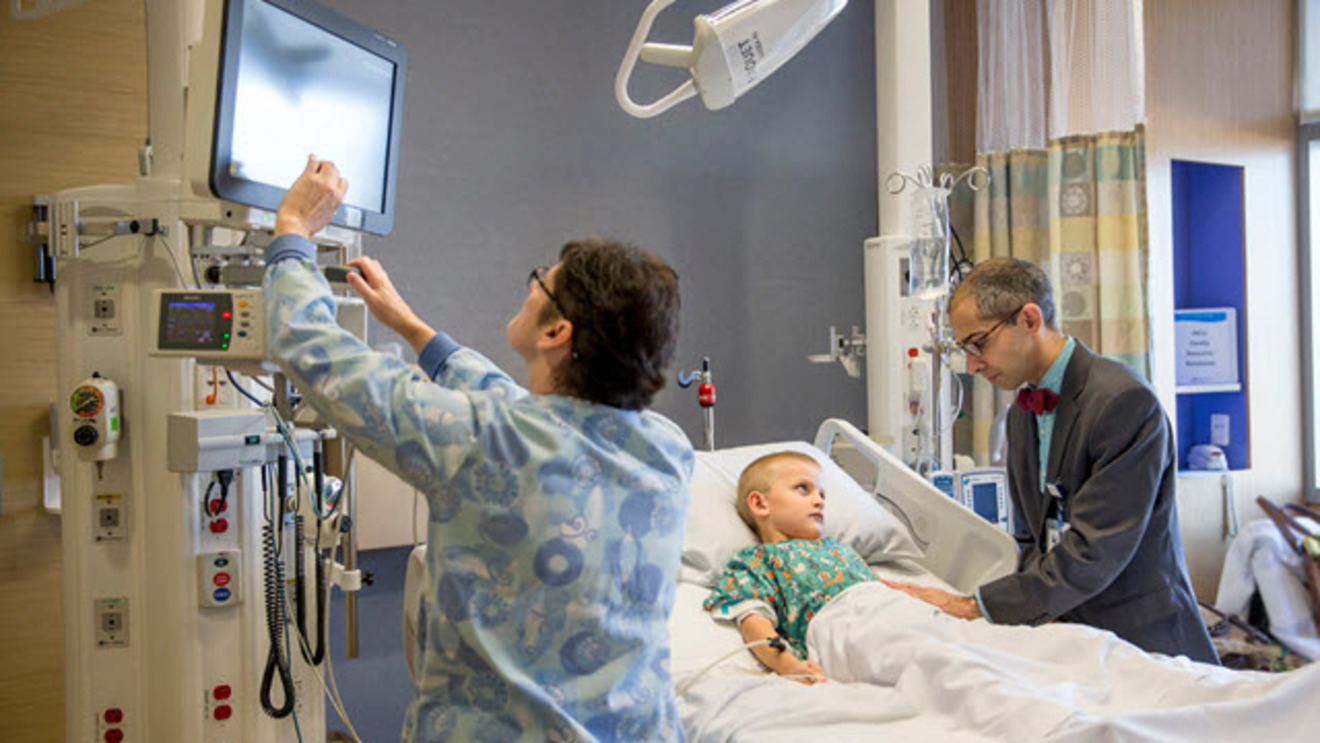
Medical tools must suit the age and size of the patient. Dedicated children's hospitals use equipment designed for infants, young children, and older children where needed. This can include child-sized masks, blood pressure cuffs, beds, and monitoring tools.
Suitable equipment helps staff measure vital signs and provide care with greater accuracy. It also supports safe treatment when a child needs close monitoring or help with breathing.
The hospital setting matters, too. Child-friendly rooms, clear signs, and spaces for parents can make visits easier. A calmer setting may help children feel less afraid before tests or treatment.
Better Support for Parents and Carers
A child's illness affects the whole family. Parents may feel worried when they do not understand a diagnosis, treatment plan, or test result. A hospital that welcomes their questions can help them take part in care.
Dedicated children's hospitals often place strong focus on family involvement. Parents can share details about changes in sleep, eating habits, behaviour, and daily activity. These details may help doctors build a clearer picture of the child's health.
Families should also receive guidance on medicine doses, follow-up visits, and care at home. Clear instructions help parents know what to do after discharge and when to seek further medical assistance.
Access to Specialised Care When Health Needs Change
Some childhood conditions need more than a routine check-up. A child with repeated stomach pain, delayed growth, breathing problems, or seizures may need care from a specialist. A dedicated children's hospital can help families access different areas of child health.
These may include paediatric neurology, heart care, digestive health, child development, and surgery. When specialists work together, they can review findings and plan care around the child's needs.
For example, a child with asthma may need help from a paediatric doctor and a lung specialist. A child with slow growth may need an assessment of nutrition, hormones, and development. This joined-up approach helps families follow a clear care plan.
Critical Care for Newborns and Children
Some health problems need close monitoring and urgent treatment. Premature babies, newborns with breathing problems, and children with severe infections may need intensive care. Dedicated children's hospitals may have special units for these needs.
Two key facilities parents should understand:
- Neonatal Intensive Care Unit (NICU): Provides close monitoring and advanced care for premature, low-birth-weight, and seriously ill newborns.
- Paediatric Intensive Care Unit (PICU): Provides intensive care for children who need close checks, breathing support, or other advanced treatment.
Parents should check the level of care available at their chosen hospital. They should also ask about specialist cover, emergency support, and access to tests. These details matter when a child's condition needs rapid medical attention.
Preventive Care and Long-Term Health
Children need regular health checks even when they seem well. Growth reviews, vaccines, nutrition advice, and developmental checks help parents track progress. A dedicated children's hospital can support these needs as a child grows.
Regular visits also give parents a chance to discuss sleep, eating habits, learning, and behaviour. Doctors can explain what to expect at each stage and identify signs that may need further review.
Families can explore general paediatrics at Ankura Hospitals to learn about routine check-ups, growth reviews, vaccines, and care for common childhood illnesses.
Paediatric Services at Ankura Hospitals
At Ankura Hospitals, we focus on the health needs of children from birth through their growing years. Our paediatric services cover routine care, specialist consultations, and treatment for complex conditions. We aim to help families access suitable care with clear guidance at every step.
Our facilities and services include:
- General paediatrics: Check-ups, vaccines, growth tracking, and treatment for common childhood illnesses.
- Specialist care: Services covering paediatric neurology, cardiology, digestive health, lung care, and child development.
- NICU and PICU: Special units for newborns and children who need intensive monitoring and support.
- Paediatric surgery: Specialist assessment and surgical care for conditions that need an operation.
- Emergency care: Support for children with sudden illnesses or injuries.
- Women and maternity care: Support for pregnancy, childbirth, and maternal health, helping families access care across important stages of life.
Families looking for the best women's care hospital can also explore our women's care services. Our care options include pregnancy support, gynaecology, fetal medicine, and postnatal guidance.
Parents comparing women hospitals may also consider how a centre supports newborns and children after birth. At Ankura, we bring women’s, newborn, and paediatric care together across our hospital network. Our teams and facilities vary by location, so families can check the services available at their preferred centre.
Finding Paediatric Care for Your Child
Your child's health deserves care that fits their age, needs, and stage of growth. At Ankura Hospitals, we offer paediatric services and specialist support for different health concerns. Visit our official website to explore our services, learn about our facilities, and find a centre that suits your family's needs. Our team is here to guide you.