
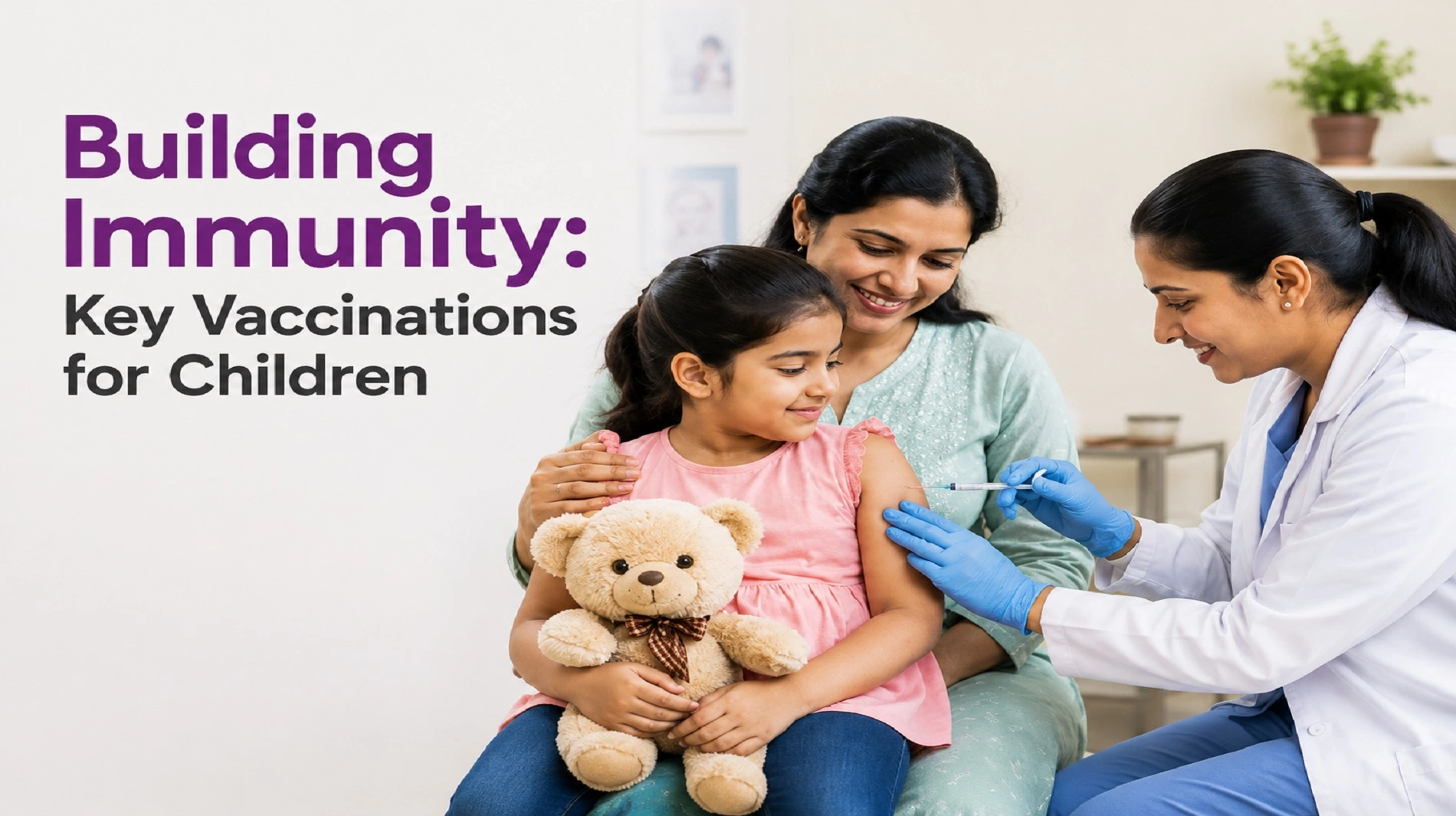
Building Immunity: Key Vaccinations for Children
Children are naturally curious and love to explore the world around them. While this curiosity helps them learn and grow, it also increases their exposure to bacteria, viruses, and other disease-causing organisms. During the early years of life, a child's immune system is still developing, making them more susceptible to infections. Fortunately, vaccination is one of the most effective ways to strengthen a child's immune defenses and protect them from serious illnesses.
Vaccines have transformed child healthcare by preventing diseases that once caused widespread illness, disability, and even death. Today, routine childhood immunization has significantly reduced the incidence of diseases such as polio, measles, diphtheria, and tetanus. In addition to protecting individual children, vaccination also contributes to community immunity, helping safeguard vulnerable individuals who cannot receive certain vaccines due to medical conditions.
Understanding how vaccines work and why they are important can help parents make informed decisions about their child's health.
Introduction to Childhood Immunity and Vaccinations
The immune system is the body's natural defense mechanism against infections. It consists of specialized cells, tissues, and organs that identify and destroy harmful microorganisms such as viruses and bacteria.
How does immunity develop?
Children receive some protection from their mothers during pregnancy through antibodies passed across the placenta. Breastfeeding also provides additional antibodies that help protect against certain infections during infancy. However, this protection is temporary and gradually declines over the first few months of life.
As children grow, their immune systems become stronger by encountering various microorganisms. However, relying solely on natural infections to build immunity can expose children to serious complications. Vaccines offer a much safer way to develop protection without causing the disease itself.
How do vaccines work?
Vaccines train the immune system to recognize and fight the disease-causing organisms. They contain weakened, inactivated, or carefully selected parts of viruses or bacteria that stimulate an immune response without causing illness in healthy individuals.
When a vaccinated child is later exposed to the real infection, the immune system quickly recognizes the pathogen and produces antibodies, preventing severe disease or significantly reducing its impact.
Benefits of childhood vaccination
Routine immunization offers several important benefits:
- Protects against potentially life-threatening diseases
- Prevents disease-related complications and disabilities
- Reduces hospitalizations
- Supports healthy growth and development
- Prevents outbreaks within communities
- Helps eliminate diseases from populations
Vaccination not only protects the vaccinated child but also reduces disease transmission to infants, elderly individuals, and people with weakened immune systems.
Understanding the Different Types of Vaccines
Modern vaccines are developed using different scientific approaches depending on the disease they are designed to prevent. Although they work differently, all vaccines have the common goal of helping the immune system recognize and fight infections safely.
Live attenuated vaccines
These vaccines contain weakened versions of viruses or bacteria that cannot cause disease in healthy individuals but still stimulate a strong immune response.
Examples include:
Measles, Mumps, and Rubella (MMR)
Varicella (Chickenpox)
Rotavirus vaccine
These vaccines usually provide long-lasting immunity after one or two doses.
Inactivated vaccines
Inactivated vaccines contain killed microorganisms that cannot multiply or cause infection.
Examples include:
Inactivated Polio Vaccine (IPV)
Hepatitis A vaccine
Rabies vaccine
Since these vaccines do not contain live organisms, multiple doses and booster doses may be required to maintain protection.
Subunit, recombinant, and conjugate vaccines
These vaccines contain only specific parts of the microorganism, such as proteins or sugars, that trigger immunity.
Examples include:
Hepatitis B vaccine
Haemophilus influenzae type b (Hib) vaccine
Pneumococcal conjugate vaccine (PCV)
Human Papillomavirus (HPV) vaccine
These vaccines are highly targeted and have excellent safety profiles.
Toxoid vaccines
Some bacteria cause illness by producing toxins rather than the bacteria themselves. Toxoid vaccines contain inactivated toxins that help the body develop immunity.
Examples include:
Diphtheria vaccine
Tetanus vaccine
mRNA vaccines
Messenger RNA (mRNA) vaccines instruct the body's cells to temporarily produce a harmless protein from the virus, allowing the immune system to recognize and respond to it.
COVID-19 vaccines introduced this technology on a large scale and demonstrated its effectiveness and safety.
Combination vaccines
Many childhood vaccines combine protection against multiple diseases into a single injection.
Examples include:
DTaP (Diphtheria, Tetanus, Pertussis)
Pentavalent vaccine
Hexavalent vaccine
Combination vaccines reduce the number of injections while ensuring comprehensive protection.
Essential Vaccination Schedule for Children
Following the recommended vaccination schedule is important because vaccines are timed to provide protection when children are most vulnerable to specific diseases.
While schedules may vary slightly depending on national guidelines and individual medical circumstances, the following timeline provides a general overview.
At birth
Vaccines commonly administered include:
- BCG (for protection against severe forms of tuberculosis)
- Hepatitis B (birth dose)
- Oral Polio Vaccine (OPV) as recommended
These vaccines provide early protection against infections that can affect newborns.
6, 10, and 14 weeks
Several vaccines are given during early infancy, including:
- DTaP or Pentavalent vaccine
- IPV or OPV
- Hib vaccine
- Hepatitis B (as part of combination vaccines)
- Pneumococcal conjugate vaccine (PCV)
- Rotavirus vaccine
These vaccines protect against multiple serious bacterial and viral infections during the first year of life.
Around 6 months
Additional vaccines may include:
- Influenza vaccine (recommended annually for eligible children)
- Booster doses depending on the immunization schedule
9 to 12 months
Important vaccines include:
- Measles-containing vaccines (such as MMR)
- Additional PCV doses where indicated
- Hepatitis A vaccine in many schedules
15 to 18 months
Booster doses at this time help strengthen long-term immunity.
These may include:
- MMR booster
- Varicella vaccine
- DTaP booster
- Hib booster
- PCV booster
4 to 6 years
Children receive additional boosters before starting school, commonly including:
- DTaP
- IPV
- MMR
- Varicella
These booster doses reinforce immunity as protection from earlier doses gradually declines.
Adolescence
Older children and teenagers may receive:
- HPV vaccine
- Tdap booster
- Meningococcal vaccine where recommended
- Annual influenza vaccine
Healthcare providers may also recommend additional vaccines based on travel plans, underlying medical conditions, or local disease outbreaks. It is important that one follows children’s vaccination schedule as recommended by their pediatrician.
Importance of timely vaccination
Delaying vaccines can leave children unprotected during periods when they are at the highest risk of infection. If any doses are missed, catch-up vaccination schedules can help children regain protection without restarting the entire series.
Parents should maintain an updated vaccination record and consult their pediatrician to ensure their child remains fully immunized.
Addressing Common Concerns About Vaccinations
Despite overwhelming scientific evidence supporting vaccine safety and effectiveness, parents often have understandable questions. Open conversations with trusted healthcare providers can help address these concerns.
Are vaccines safe?
Yes. Vaccines undergo extensive laboratory research, multiple phases of clinical trials, and continuous monitoring after approval. Regulatory authorities carefully evaluate their safety before they are introduced into routine immunization programs.
Serious side effects are extremely rare, while the benefits of vaccination far outweigh the risks.
Can vaccines overload a child's immune system?
No. Children encounter thousands of germs every day through eating, breathing, and playing. The immune system is capable of responding to multiple vaccines simultaneously without being overwhelmed.
Modern vaccines actually contain fewer immune-stimulating components than older vaccines while providing protection against more diseases.
Are multiple vaccines given together safe?
Yes. Combination vaccines and multiple vaccines given during the same visit have been thoroughly studied. Receiving several vaccines together does not reduce their effectiveness or increase the risk of long-term health problems.
It also reduces the number of clinic visits and minimizes delays in protection.
What side effects can occur due to vaccines?
Most vaccine reactions are mild and temporary.
Common side effects include:
- Mild fever
- Pain or redness at the injection site
- Swelling
- Fussiness
- Temporary tiredness
- Reduced appetite
These symptoms usually resolve within one or two days and indicate that the immune system is responding to the vaccine.
Parents should seek medical attention if a child develops persistent high fever, difficulty breathing, severe allergic reactions, or unusual symptoms after vaccination.
Can vaccinated children still get the disease?
No vaccine offers 100% protection. However, vaccinated children who develop an infection generally experience much milder illness and are far less likely to develop serious complications or require hospitalization.
Do vaccines cause autism?
No. Extensive research involving millions of children worldwide has found no evidence linking vaccines, including the MMR vaccine, with autism. The original study that suggested such a connection has been thoroughly discredited and withdrawn.
Should healthy children still be vaccinated?
Absolutely. Healthy children are still at risk of infectious diseases. Vaccination helps protect them before they are exposed to these infections.
What if my child misses a vaccine?
Missing a scheduled vaccine does not usually mean the entire series must be restarted. Pediatricians can recommend a catch-up schedule that safely provides the remaining doses as soon as possible.
Tips for Parents to Ensure Successful Vaccination
Parents can make the vaccination experience smoother by:
- Keeping an updated immunization record.
- Following the recommended vaccination schedule.
- Discussing any allergies or medical conditions with the pediatrician beforehand.
- Comforting younger children during vaccination through cuddling, breastfeeding, or distraction techniques.
- Monitoring for mild side effects after vaccination and following the doctor's advice regarding fever or discomfort.
- Attending regular well-child visits to ensure vaccinations remain up to date.
Vaccination is one of the greatest achievements in modern medicine and remains the cornerstone of preventive child healthcare. By protecting children from potentially serious infections, vaccines support healthy growth, reduce hospitalizations, and save countless lives every year.
Following the recommended immunization schedule ensures that children receive protection at the right time, when they need it the most. While it is natural for parents to have questions, discussing concerns with a qualified pediatrician can provide reassurance and evidence-based guidance.