Brain Stroke in Children: Causes, Symptoms, and Treatment
The majority of people believe that strokes only occur in the elderly. However, anybody can have a stroke, including adolescents, young children, newborns, and even unborn babies.
A Childhood Stroke: What Is It?
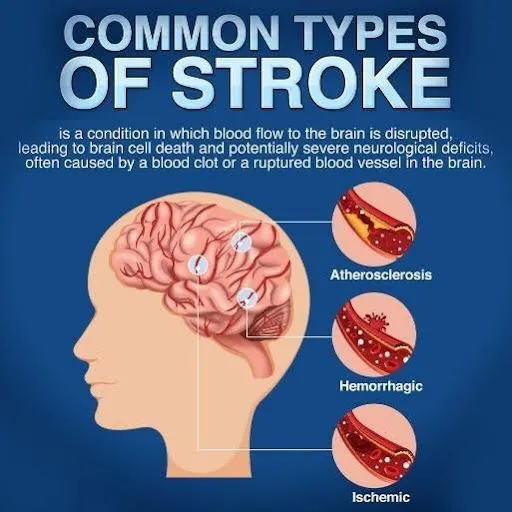
A stroke happens when a blood vessel ruptures (hemorrhagic stroke) or a clot restricts blood flow to a portion of the brain (ischemic stroke). The body’s cells and organs receive oxygen and other nutrients through the blood. If they are unable to get to the brain for longer than three minutes, brain cells start to die. The longer the brain cells are denied of blood and hence oxygen, the more they die.
A pediatric stroke refers to a stroke occurring in individuals under 18 years old. This includes:
- Perinatal strokes, which occur from 28 weeks of gestation to 28 days of life.
- Childhood strokes, which occur after 28 days of life and up to the age of 18.
What Are the Different Types of Strokes in Children?
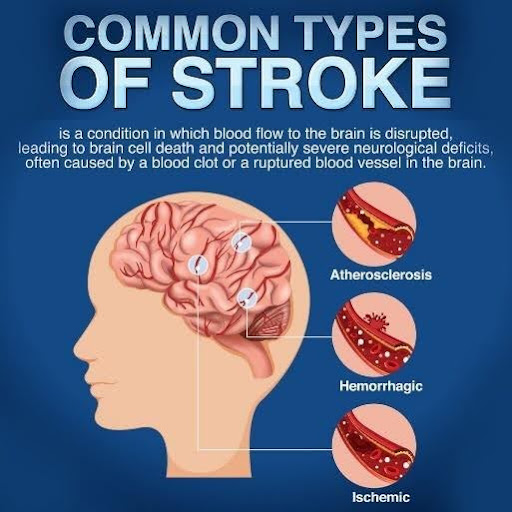
The most prevalent kind of stroke in children is an ischemic stroke. This happens when a blood clot develops and narrows a blood vessel or clot from elsewhere gets stuck in a brain artery.
Hemorrhagic stroke
Hemorrhagic stroke is much rarer in children. It occurs when a blood vessel in the brain bursts, causing blood to leak into the brain and flow into areas where it shouldn’t. This buildup of pressure disrupts blood flow to the affected part of the brain.
Transient ischemic attack (TIA)
A transient ischemic attack (TIA), also known as a “mini-stroke,” occurs when blood flow to the brain is temporarily blocked, typically for no more than five minutes. The symptoms should all be reversible with in 24 hours.TIAs are:
- A medical emergency, just like a full stroke.
- Usually caused by blood clots rather than hemorrhages.
- A warning sign of a potential future stroke.
Causes of Strokes in Infants and Children
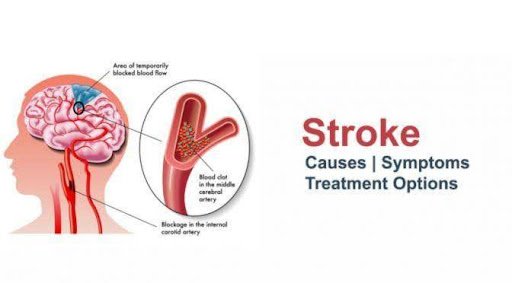
Ischemic strokes and TIAs are typically linked to:
- Cardiac causes, blood disorders and blood vessel disorders.
- Congenital heart defects
- Blood disorders like sickle cell disease
- Injury to a brain blood vessel(trauma)
- Clotting disorders
- Dehydration
- Genetic conditions
- Infections such as meningitis or chickenpox
- Issues during pregnancy, such as gestational diabetes or maternal high blood pressure
Hemorrhagic strokes can be linked to:
- A ruptured blood vessel due to a head injury
- An arteriovenous malformation, where abnormal blood vessels connect arteries and veins in the brain
- An aneurysm, which is a bulging or weakened area in an artery wall
Symptoms of a Childhood Stroke
The acute onset of a focal neurologic deficit in a child is stroke until proven otherwise.
Common signs of a stroke in newborns and infants include:
- Seizures
- Excessive sleepiness
- A preference for using one side of the body
Common stroke symptoms in children and teens include:
- Weakness, numbness, or paralysis on one side of the body
- Difficulty speaking or understanding speech
- Blurred or double vision
- Dizziness or loss of balance and coordination
Less common stroke symptoms in children and teens include:
- Severe headaches, possibly accompanied by vomiting
- Extreme drowsiness
- Stiffness or limited movement in the arms and legs
- Seizures
- Difficulty swallowing
- Memory loss and trouble concentrating
- Sudden changes in mood or behavior
How is a stroke in children diagnosed?
Several tests are used to diagnose a stroke, depending on your child’s symptoms. These may include:
- A computed tomography (CT) scan of their head is done to look for signs of a blood clot or brain hemorrhage. It is generally accessible and a quick test.
- A brain MRI (magnetic resonance imaging) helps providers visualize the brain’s structure and blood vessels, making it the most sensitive test for diagnosing a stroke.
- A CT angiogram is used to assess blood flow through the heart, blood vessels, and brain.
- A magnetic resonance angiogram (MRA) shows how blood flows through the vessels.
Other tests used to identify the cause and complications of seizures include:
- An echocardiogram (Echo) to examine your child’s heart structure.
- An electroencephalogram (EEG) to check if they are having seizures.
- Blood tests to check for sickle cell disease or conditions that may cause blood clots.
- Genetic testing if a genetic disorder is suspected to be the cause of the stroke.
Pediatric Stroke Treatment
In the early stages of a stroke, treatment for your child focuses on supporting blood flow to the brain. This may include a combination of:
- Medical therapy: Your child may be given aspirin or other blood thinners (anticoagulants).If seizures occur due to the stroke, anti-seizure medications may also be prescribed.
- Interventional neuroradiology: If there are abnormal blood vessel connections (arteriovenous malformation) or weakened blood vessels at risk of rupturing (aneurysm), the doctor may insert a catheter into the affected blood vessel to repair the area.
- Surgery: Surgery may be necessary for certain types of stroke or other cerebrovascular conditions, with the specific procedure depending on the cause of the stroke.
Conclusion
Pediatric strokes are uncommon, but immediate treatment can greatly impact your child’s recovery. Learn to recognize the signs of a stroke in children and discuss with a pediatric neurologist how to protect your child if they have a medical condition that increases their risk of stroke.