
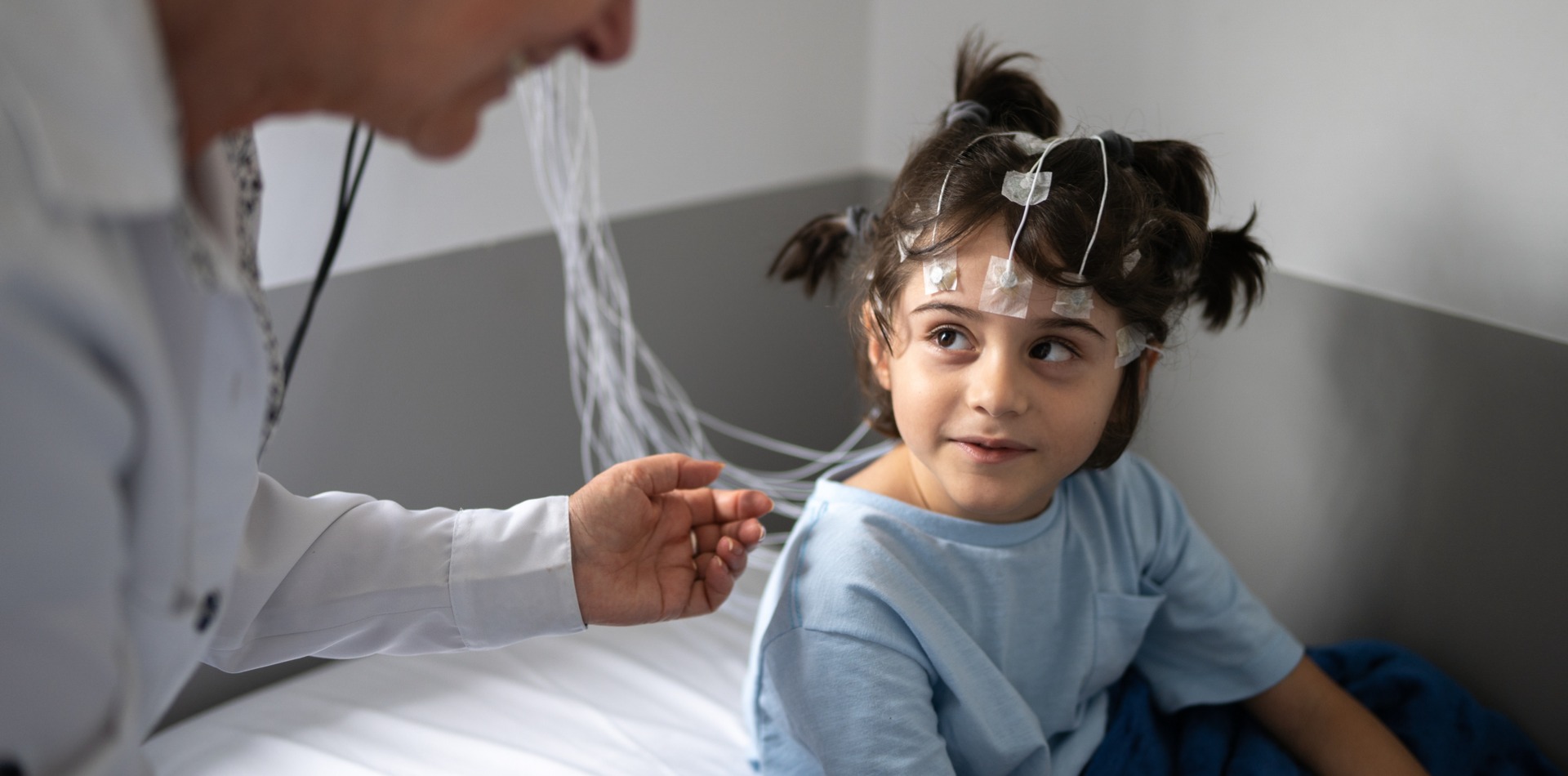
Toddlers are busy, emotional, and curious little ones. It is an indication of the amazing brain development that takes place on every single day. During the first two years of a child’s life, the brain develops at a rapid pace, forming millions of neural connections that lay the foundation for learning, movement, communication, behavior, and emotional well-being.
Understanding what matters most during these crucial years can help parents support their child’s healthy growth and development.
Why are the first two years so important?
A baby's brain begins to develop before birth and continues to grow rapidly after delivery. By the time a child is two years old, their brain has grown to about 80% of its adult size. Neural pathways are developed and strengthened at this time through interactions, learning opportunities, and daily experiences.
A child's cognitive ability, language skills, social development, and emotional well-being can all be permanently impacted by the quality of care and stimulation they get during these formative years.
Responsive parenting and emotional bonding
A child’s relationships with adults are the most important influences on their brain development. Relationships are how babies learn about the world. Building trust and security is made easier when parents react warmly and consistently to their baby's cries, smiles, gestures, and sounds.
Cuddling, talking, singing, and maintaining eye contact are examples of simple activities that promote brain growth and deepen emotional bonds. Children acquire beneficial social and emotional skills from these interactions, which help them learn later in life.
Nutrition plays a key role
A healthy diet is important for brain development. Exclusive breastfeeding supplies vital nutrients that promote normal brain development during the first six months of life. After six months, the child's developing nutritional needs can be met by introducing wholesome supplementary foods while still breastfeeding.
Important nutrients for brain development and function include iron, iodine, zinc, protein, healthy fats, and vitamins. Early childhood nutritional deficits may have an impact on learning, memory, and general development.
Sleep supports brain growth
Sleep is important for healthy brain development. The brain analyses information, strengthens neural connections, and promotes memory formation during sleep. Infants and toddlers require adequate sleep according to their age.
Positive parenting tips
As a parent, you may support your infant throughout this period by doing the following:
Talk to your baby. Your words will soothe them.
When your baby makes sound, respond by adding words and repeating the sounds. This will help with their language learning.
Read to your little one. This can help them develop and understand language and sounds.
Play music and sing to your baby. This will support your baby's brain development and foster a love of music.
Give your little one lots of affection and praise.
Take time to hold and cuddle your baby. This will help them feel cared for and secure.
When your baby is calm and awake, play with them. Keep an eye out for your baby's signals of fatigue or fussiness so that they can take a break from playing.
Distract your baby with toys and move them to safe areas when they start moving and touching things that they shouldn't touch.
Monitoring developmental milestones
Every child develops at their own pace, but monitoring developmental milestones is important. Parents should observe whether their child is achieving age-appropriate skills related to movement, speech, social interaction, and learning.
Early signs such as limited eye contact, lack of response to sounds, delayed speech, poor social engagement, or significant motor delays should not be ignored. Early evaluation by a pediatric neurologist can help identify concerns and provide timely intervention if needed.
Conclusion
The first two years of life provide a unique window of opportunity for brain development. Loving relationships, proper nutrition, adequate sleep, language-rich interactions, active play, and regular developmental monitoring all contribute to building a strong foundation for a child’s future. By creating a nurturing and stimulating environment, parents can support healthy brain growth and help their child reach their full potential.
Why choose Ankura Hospital for pediatric neurology care?
Ankura Hospital offers comprehensive pediatric neurology services supported by experienced specialists dedicated to children's neurological health. Our team focuses on early identification, evaluation, and management of developmental concerns, helping children achieve their full potential. With advanced diagnostic facilities, child-friendly care, and a multidisciplinary approach, we provide personalized treatment plans tailored to each child's needs. From developmental assessments to specialized neurological care, Ankura Hospital is committed to supporting children and families at every step of their journey.