Bleeding Disorders in Children Our body has several essential mechanisms to prevent excessive bleeding when we’re injured. However, some children are born with a disorder that affects their ability to clot properly, leading to mild or severe bleeding after injuries or surgery.
Types of Bleeding Disorders in Children
Bleeding disorders occur in many different forms. A normal coagulation (blood clotting) process comprises up to 20 distinct plasma proteins, often known as clotting factors. A patient with an imbalanced clotting system may bleed too easily, or form improper clots, depending on the severity of the problem
Types
Hemophilia
Von Willebrand disease
Platelet function disorders
Hypofibrinogenemia and dysfibrinogenemia
Certain clotting proteins are absent or insufficient in hereditary bleeding diseases. Hemophilia A (factor VIII deficiency), hemophilia B (factor IX deficiency), and von Willebrand disease are the three most prevalent inherited bleeding / coagulation disorders.
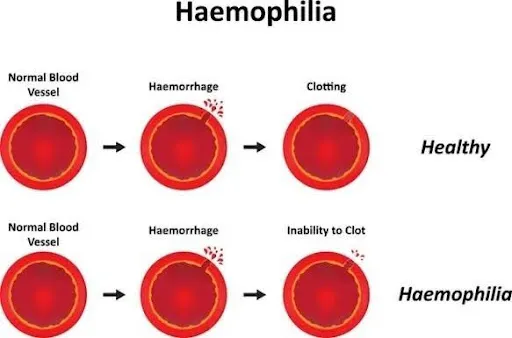
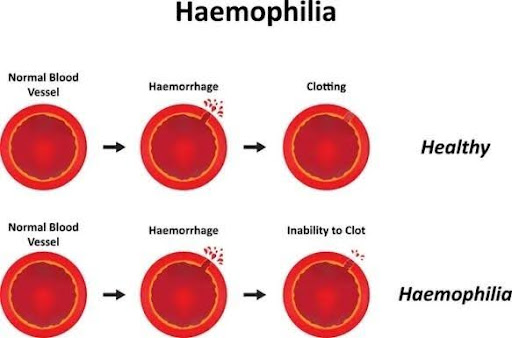
Hemophilia is a disorder, in which there is inability of the body to coagulate blood. In hemophilia, the body does not produce enough of one of the clotting factors. Because of this, a person with hemophilia may experience prolonged internal bleeding in their muscles and joints after an injury or, even unprovoked. In severe cases, bleeding into the brain parenchyma is also observed.
When clotting factor VIII levels are low or nonexistent, hemophilia A is identified. Christmas disease, another name for hemophilia B, is less prevalent and is brought on by low or missing clotting factor IX levels. Hemophilia can be classified as mild, moderate or severe based on the blood’s level of factor activity.
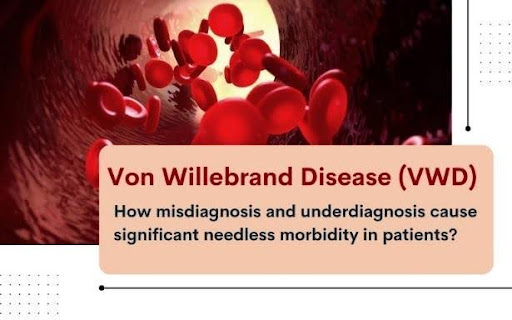
A genetic bleeding disorder called von Willebrand disease (VWD) is brought on by a malfunction in the von Willebrand factor (VWF), a protein that helps in blood coagulation. This protein plays a crucial role in the early stages of blood clot formation, helping to stop bleeding after an injury or surgery. Acting like adhesive, VWF helps platelets stick together to form a clot. It is one of several clotting proteins that must work in harmony to prevent excessive bleeding.
Symptoms
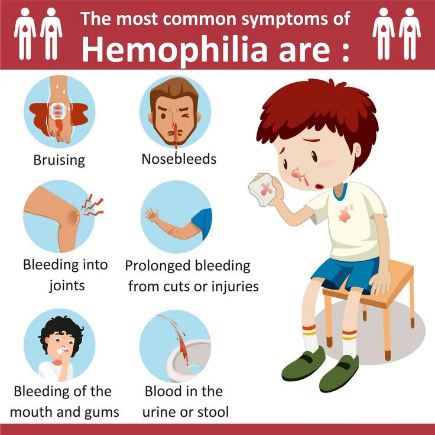
Frequent or prolonged nosebleeds
Prolonged or heavy menstrual bleeding in girls;
Heavy or prolonged bleeding from the gums during dental procedures such as teeth cleaning and extractions etc.
Excess bleeding during or soon after surgery
Frequent or prolonged large bruises from minor bumps or injuries
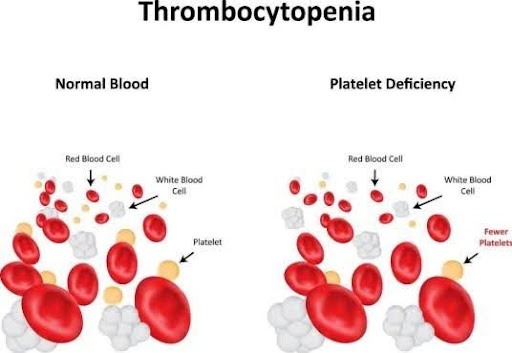
There are a number of factors that can lead to thrombocytopenia in children, but the most common ones are infections, particularly viral infections, and immune system destruction of platelets (also known as immune thrombocytopenia or ITP). Children with thrombocytopenia may also have reduced amounts of other blood cell types, including red and white blood cells, depending on the cause.
Platelets are blood cells that help in blood clotting in order to stop bleeding. Children who have a platelet function problem are more likely to bleed as the initial step of platelet plug formation is improper. Genetic etiology could be the underlying reason of platelet function problems in children.
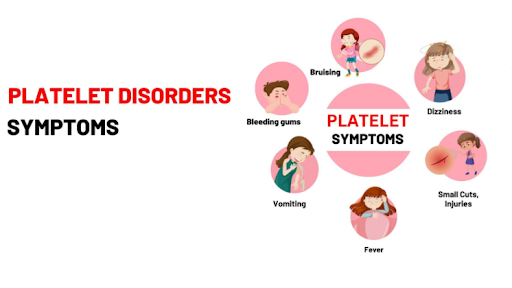
Symptoms Nosebleeds
Purpura (a purplish discoloration of the skin caused by blood leaking beneath the surface, often without any apparent injury)
Petechiae (small red spots on the skin due to tiny blood vessels bleeding)
Bleeding in the mouth Presence of blood in vomit, urine, or stool
Bleeding in the head
Hypofibrinogenemia and dysfibrinogenemia
A less severe form of fibrinogen deficit is called hypofibrinogenemia, which occurs when there is fibrinogen in the blood but not enough of it for appropriate coagulation to take place.
An uncommon clotting condition called dysfibrinogenemia is brought on by an aberrant or reduced quantity of fibrinogen.
Diagnosis of bleeding disorders
Complete Blood Count (CBC): This test measures red blood cells, white blood cells, and platelets, all of which play essential roles in blood clotting.
Clotting Time Tests: These include Prothrombin Time (PT) and Activated Partial Thromboplastin Time (aPTT), used to evaluate how quickly blood clots form. Bleeding Time and Clotting time : They are helpful to know platelet and clotting factor defects
Clotting Factor Levels: Also known as factor activity levels, this test assesses the amount of each clotting factor in the blood.
Genetic Testing: A DNA analysis to detect any abnormalities in the genes related to blood clotting.
Treatment of bleeding disorders
The conventional approach to treating haemophilia A and B focusses on replacing the missing clotting factor.
Newer haemophilia therapies are now available, such as longer-acting intravenous factor replacements that prevent bleeding with fewer doses and other non-replacement therapies such as usage of monoclonal antibodies.
Most children born with mild vWD will have minor bleeding issues, so regular medications are often not necessary. However, adolescents and adults with severe VWD disease,who menstruate may have heavy periods that require hormone control along with factor therapy.
The medications used to prevent or treat excess bleeding from surgeries, dental extractions, or injuries in children with vWD vary depending on the type of vWD and the specific symptoms.
Conclusion
Bleeding disorders in children require timely diagnosis and care to manage symptoms and prevent complications. Understanding the condition, its types, and available treatments is key to ensuring the best outcomes. With early intervention and expert guidance of Pediatric hematologist children with bleeding disorders can lead healthy, active lives.
Our healthcare specialists are equipped with the knowledge and skills to provide you with the support you require. From consultation to diagnosis to treatments, our experts are dedicated to helping you.