
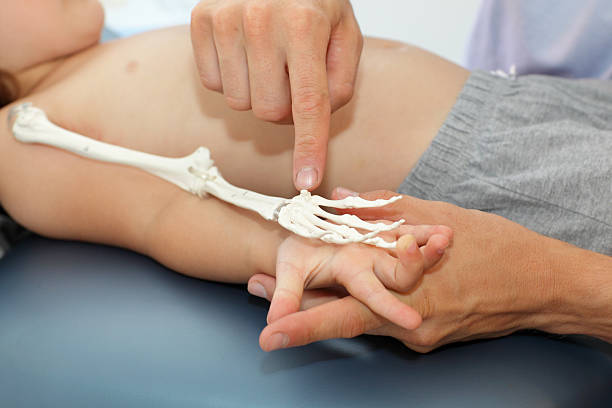
Strong bones are the foundation of a healthy, active childhood. Healthy bones help children grow and develop, from taking their first steps to running, jumping and playing sports. Genetics are important for bone health, but nutrition is one of the most important things you can do to build strong bones during childhood.
Parents often ask, “What should my child eat for stronger bones?” There is some good news, though. A balanced diet of key nutrients can help to significantly improve bone strength and reduce the risk of fractures and future bone problems.
Why Bone Health Matters for Children’s Growth and Development
Bones are living tissues that are constantly growing and remodeling during childhood and adolescence. Indeed, almost 90% of children reach peak bone mass by the age of 18. The stronger a child’s bones are during the growing years, the lower the risk of osteoporosis and fractures later in life. Eating well during childhood helps give growing bones the nutrients they need to develop properly.
Which Nutrients Are Essential for Strong Bones?
Many nutrients can work together to help support healthy bone growth .
Calcium: The Bone Builder
Calcium develops strong bones and encourages healthy bone growth.
Foods rich in calcium are milk, yogurt, cheese, paneer, ragi (finger millet), tofu, almonds, sesame seeds and green leafy vegetables.
Kids who lack enough calcium can develop weaker bones and have an increased risk of fractures.
Vitamin D: The Calcium Helper
Vitamin D improves the body’s ability to absorb calcium. But a calcium-rich diet may not be good for your bones without enough vitamin D.
Vitamin D is made in the skin when you are exposed to sunlight and can be found in fortified dairy products, egg yolks, fatty fish such as salmon and sardines and vitamin D supplements, when recommended by your doctor.
Children need to play outside to help keep their vitamin D levels up too.
Protein: Needed for Bone Growth
Protein is important for bone building and for supporting muscles to help protect bones.
Good sources of protein are eggs, milk and dairy products, fish, chicken, lentils, beans, soy products, nuts and seeds.
Proteins are needed in the right balance for growing children.
Magnesium and phosphorous
These minerals cooperate with calcium to help make the structure of bones stronger.
Whole grains, nuts, seeds, legumes, dairy products and fish are rich in magnesium and phosphorus.
A varied diet usually provides enough of these nutrients.
Vitamin K and Vitamin C
Vitamin K helps to mineralize bone, and Vitamin C is needed to make collagen, an important part of bone tissue.
Good sources include spinach, broccoli, kale, citrus fruits, guava, strawberries and tomatoes.
Adding colorful fruits and vegetables to your daily meals is good for your bones and your overall health.
Foods That Promote Healthy Bone Growth
Parents can include the following bone-friendly foods regularly - milk and dairy products, ragi porridge or ragi dosa, homemade yogurt, cheese in moderation, leafy green vegetables, eggs, nuts and seeds, fresh fruits, lentils and pulses, fish and lean meats.
Eating different food groups on one plate can help provide all the nutrients needed for bone growth.
What Foods Should Be Limited?
Consuming too much of certain foods can be bad for bone health. These include sugary soft drinks, too much processed food, sodium-loaded packaged snacks, too much fast food and sugary desserts and candies.
An occasional treat is fine, but these foods shouldn’t replace nutrient-rich meals.
Lifestyle Habits for a Strong Skeleton
Nutrition is not enough. Healthy lifestyle habits go a long way too.
Help children get active every day. Encourage them to go outside and play, run and jump, play sports and maintain a healthy weight. Make sure kids get enough sleep.
Weight-bearing activities force your bones to work harder and, thus, build bone density.
When to See a Pediatric Orthopedic Doctor?
Children who suffer frequent fractures, delayed growth, bone pain, walking abnormalities, nutritional deficiencies or chronic medical problems that affect bone health should see a doctor.
Early assessment can help detect underlying concerns and support healthy skeletal development.
Conclusion
Strong bones begin early in life. Healthy bone growth and development is supported by a good diet that provides the nutrients calcium, vitamin D, protein and others. Good nutrition, combined with regular physical activity and healthy lifestyle choices, helps children build strong bones to last them into adulthood. When parents make healthy choices today, they can help their children be stronger and healthier adults.
Why Ankura?
Ankura Hospital’s Pediatric Orthopedic specialists work to ensure that children develop healthy bones and joints. We provide comprehensive care for all types of fractures, sports injuries, bone disorders related to growth and congenital orthopedic conditions with an emphasis on child-centered care. We combine the best diagnostic tools, the best evidence-based treatments, the best multi-disciplinary expertise and the best compassionate care to give each child the best possible outcomes. Ankura Hospital is a trusted destination for its specialized pediatric healthcare known for prevention, early diagnosis and long-term musculoskeletal health.