Allergy due to pigeon
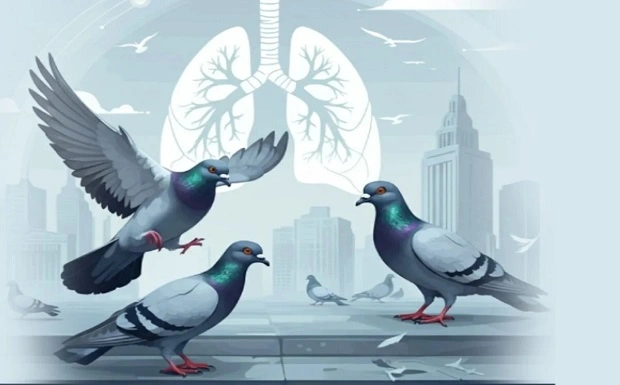
Pigeons are a familiar sight in many cities around the globe. Not one or two, but many pigeons are commonly seen. Droppings here, droppings there, and droppings everywhere. The reality is that pigeon droppings and feathers can affect both human health and the environment.
From triggering allergies to causing serious lung infections, prolonged exposure to pigeons can have consequences that are often overlooked.
What is a Pigeon Allergy?
A pigeon allergy is an allergic reaction to proteins present in pigeon feathers, droppings, or pigeon serum. Such an allergy can bring on a variety of symptoms such as sneezing, congestion, skin rashes, and even asthma attacks.
What are the symptoms of a pigeon allergy?
The symptoms of a pigeon allergy can vary from person to person, but typically include sneezing, runny or stuffy nose, itchy, red, or watery eyes, and coughing. In more severe cases, symptoms can escalate to difficulty breathing, chest tightness, and wheezing.
Sneezing- Repeated sneezing attacks, which can be a sudden reflex with a purpose to remove allergens entering through the nasal passage.
Redness, itchy, or watery eyes- The eyes become itchy with redness and/or watering.
Runny Nose- Production of excess fluid in the nose, resulting in a continuous discharge from the nose.
Coughing- An involuntary reflex action to clear the throat and airway of mucus or irritants caused by allergens.
Nasal congestion- This symptom involves swelling or blockage of nasal passages, leading to difficulty in breathing through the nose.
Wheezing- A high-pitched sound produced during breathing due to narrowed airways, often an indication of an allergic reaction.
Pigeon-Related Diseases
Diseases associated with pigeon droppings include cryptococcosis, histoplasmosis and psittacosis. You can become infected with these diseases by breathing in the dust that is created when cleaning droppings.
The risk of pigeon-related diseases is rare. People most at risk from these diseases are those who have a compromised immune system.
How to Diagnose Pigeon Allergy?
Pigeon allergy is diagnosed using the same methods as other forms of respiratory allergies. These include skin prick tests, intradermal tests, blood tests, and observing clinical symptoms and history.
What does the pigeon test indicate?
A pigeon test is a form of allergy test used to check if a particular individual is allergic to pigeon droppings or feathers. A positive result for this test means that the immune system of the tested individual reacts to the presence of such substances by developing allergic symptoms such as sneezing, coughing, or skin irritation.
How to prevent pigeon allergy?
Preventing pigeon allergy involves reducing exposure to the allergen. This includes avoiding areas with high pigeon populations and maintaining a clean environment to lessen contact with pigeon droppings.
If pigeons frequently visit your building or neighbourhood, taking preventive measures can significantly reduce exposure:
- Avoid direct contact with pigeons and their droppings.
- Do not feed pigeons as it encourages them to stay and nest.
- Make sure to clean the areas with droppings regularly and safely.
- Install meshes or bird-prevention nylon nets on balconies and windows.
- You can also use pigeon spikes to prevent roosting.
- Teach your child to practice good hand hygiene after any potential exposure.
- These steps help minimize allergen buildup and reduce the risk of infections.
When to consult a paediatric allergist?
If the symptoms in your child persist, worsen, or interfere with their daily life, consulting a paediatric allergist is a wise step. They can provide personalized guidance, confirm the diagnosis, and recommend appropriate treatment plan.
Conclusion
Pigeons may be a part of our urban landscape, but their presence can come with hidden health risks. By staying informed, recognizing symptoms early, and taking preventive measures, you can protect yourself and your loved ones and also maintain a healthier living environment.
Why should I choose Ankura Hospital for managing pigeon allergy in my child?
Ankura Hospital offers child-focused allergy care with experienced paediatric specialists. Our expert team follows a structured approach to diagnose allergies accurately and provide safe, effective treatment plans tailored to each child’s needs, ensuring comfort and long-term relief.