
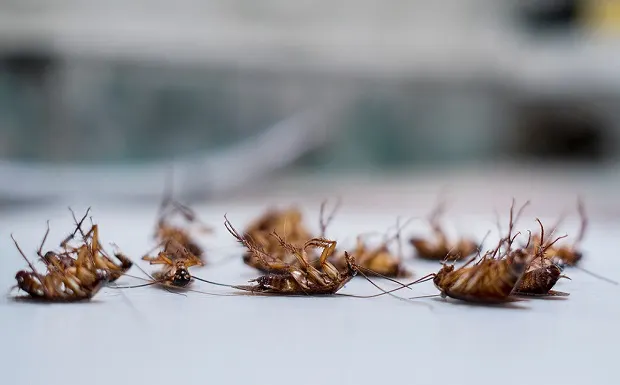
Cockroaches are insects that live in all types of buildings and all kinds of neighbourhoods. Allergies and asthma are often brought on by cockroach allergies. Research indicates that children with cockroach allergies who are exposed to them require hospitalisation for asthma more often than other children with asthma.
What is a cockroach allergy?
Flat, reddish-brown, winged, six-legged insects are cockroaches. They are often found in warm houses and buildings with convenient access to food and water. They are mostly active at night.
Some proteins from cockroaches can trigger an allergy in a significant number of people. Anything that can cause an allergic immunologic reaction is termed an allergen. The body parts, saliva, feces, and waste of cockroaches are all allergens. Allergic reactions can occur even from dead cockroaches.
Cockroach particles that are kicked into the air have the potential to fly into the air, enter the mouth or nose, and enter the lungs, where they could cause an allergic reaction, an asthma attack, or a nasal symptom.
Cockroach allergy Symptoms include:
• Runny nose
• Stuffy nose
• Sneezing
• Itchy, red, or watery eyes
• Itchy nose, mouth, or throat
• Postnasal drip
• Cough
• Itchy skin or skin rash
• Ear infection
• Sinus infection
If cockroach allergy triggers your child’s asthma, your child may also have:
• Shortness of breath
• Chest tightness or pain
• Wheeze (a whistling sound while breathing)
• Waking at night due to asthma symptoms
What tests will be done to diagnose a cockroach allergy?
Based on symptoms, an allergist may identify a cockroach allergy using a variety of allergy tests. These tests may include:
Skin prick test- The allergist will expose the skin to different allergens by scratching the skin gently. The areas on the skin that are itchy and look like mosquito bites will then be measured.
Blood test- A small amount of blood will be taken from the arm by the allergist. The blood will then be tested in a laboratory for different indoor and outdoor allergens, including cockroaches.
How to remove cockroach allergens?
To get rid of cockroach allergens, vacuum and use household cleansers. Every nook and corner needs to be meticulously cleaned. In order to obtain food and water, cockroaches live in groups. These are where you'll find the majority of allergens.
Prevention of cockroach allergy
Eliminating cockroaches from your home is one of the most effective methods to avoid cockroach allergies. Key tips include:
• Maintain the cleanliness of your entire home, including the stoves, worktops, sinks, and kitchen floors.
• Keep food containers and garbage cans sealed.
• Fix any leaks that can unintentionally provide water to cockroaches.
• Clean all dirty dishes, do not leave them in the sink.
• Avoid piles of newspapers, laundry, or magazines.
• Consult a pest control company or exterminator
Cockroach allergy treatment
If you suspect that your child has a cockroach allergy, see a pediatric allergist, who can do a skin test. This test involves applying a diluted allergen to the surface of the skin, waiting about 15 minutes, then observing to see if there’s a reaction, such as a raised, red and itchy bump.
If a reaction occurs, the allergist may suggest prescription or over-the-counter medications, or allergy shots to help your child's body become less sensitive to certain allergens.
Conclusion
The allergy caused by cockroaches can be silently aggravating your child’s respiratory problems and might also be the reason for frequent attacks of asthma. If your child is experiencing sneezing, coughing, stuffy nose, itchy eyes, or breathing difficulty, especially at home, it should not be ignored. While cleanliness can help, it is also necessary to seek medical attention. A pediatric allergist should be consulted for proper diagnosis and treatment.
Why should I consult Ankura hospital for my child’s cockroach allergy?
Ankura offers child-friendly allergy care with proper diagnosis, personalized treatment, and clear guidance on how to reduce allergy triggers at home. Our team focuses on long-term relief by controlling symptoms, preventing asthma attacks, and helping your child breathe comfortably every day.