14th May, 2026
Signs You Should Visit a Pediatric Orthopedic Specialist Near You
Most parents instinctively know when something feels off with their child. A limp that keeps coming back, a spine that looks uneven in photos, or a knee that swells after school are not matters to dismiss or delay. Searching for a pediatric orthopedic near me often starts with a gut feeling that a general doctor visit will not be enough. This blog highlights the specific signs that call for a specialist's attention so parents can make informed decisions before a small concern becomes a bigger problem.
Why Children Need Specialized Orthopedic Care
Children's bones contain growth plates, which are cartilage-rich zones where bone lengthening occurs, and these are uniquely vulnerable to injury, infection, and disease. Damage to growth plates can affect how a limb develops for years to come. This is why musculoskeletal concerns in children deserve evaluation from a specialist trained in pediatric development, rather than general orthopedics alone.
Signs That Tell You It Is Time to Book an Appointment
1. A Limp That Lasts Beyond Five Days
A limp after a fall is normal. If it lasts more than five days without a clear reason, it is not. In children, this can signal hip conditions or early bone infections. Early assessment provides better treatment options.
2. Joint Pain That Follows a Pattern
Growing pains typically occur in both legs, appear at night, and resolve by morning. When pain keeps returning in one specific joint, worsens with activity, or comes with visible swelling and warmth, it points to something more serious. These symptoms may indicate juvenile idiopathic arthritis or a joint infection, and managing them with pain relievers alone is not a solution.
3. Visible Spine Asymmetry
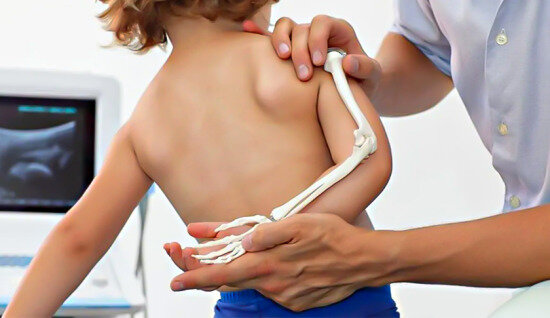
Ask your child to bend forward slowly and observe from behind. If one side of the back appears higher, or the shoulders and hips look uneven when standing, scoliosis may be present. Adolescent idiopathic scoliosis progresses during growth spurts, and catching it early can prevent the curvature from reaching a point where surgery becomes the only option.
4. Flat Feet That Cause Pain or Fatigue
Flat arches in toddlers are a normal part of development. However, if they persist past age six and your child begins complaining of foot pain, leg cramps, or tires unusually quickly during play, an evaluation is worth pursuing. A pediatric orthopedic doctor can determine whether the flat feet are flexible or rigid and recommend orthotics or targeted exercises based on the findings.
5. Toe-Walking That Continues After Age Three
Occasional toe-walking in toddlers is fairly common and usually resolves on its own. When it becomes a consistent habit past age three, it may indicate tight Achilles tendons, a neurological condition, or sensory processing differences. Identifying the root cause early opens the door to effective intervention, whether stretching, casting, or physical therapy.
6. Bowlegs or Knock Knees That Keep Worsening
Mild bowlegs in a two-year-old and knock knees in a four-year-old fall within normal development. What raises concern is a curve affecting only one leg, continuing to worsen over time, or causing pain during walking. These patterns may point to Blount's disease or rickets, both of which benefit from early orthopedic assessment.
7. A Sports Injury That Is Not Improving
Children active in sports are at risk for growth plate fractures, stress fractures, and ligament injuries. If swelling does not reduce within 48 hours, weight-bearing remains painful after a week, or basic movements are uncomfortable, rest alone is not enough. Growth plate injuries that go untreated can interfere with long-term bone development.
8. A Visible Difference in Limb Length
A visible difference in leg length can gradually cause compensatory changes in gait, placing added stress on the knees, hips, and lower back. Even a small discrepancy, left unmanaged through childhood, can develop into a chronic pain source by adolescence.
9. Delayed or Unusual Walking Patterns
Children not walking independently by 18 months, or walking with pronounced in-toeing, out-toeing, or scissor-gait, should be evaluated by a specialist. These patterns can stem from hip dysplasia, cerebral palsy, or rotational abnormalities, all of which respond well to early intervention when identified in time.
What to Expect at a Pediatric Orthopedic Consultation
Many parents postpone specialist visits because they are unsure what the appointment involves. It typically begins with a physical examination and a conversation about the child's symptoms, activity levels, and developmental history. Depending on findings, the specialist may:
- Order X-rays or an MRI to assess bone and tissue structure
- Recommend physical therapy or bracing
- Prescribe custom orthotics for foot or gait concerns
- Discuss surgical options only when non-invasive approaches are insufficient
The goal at every stage is to support healthy growth with the least intervention necessary.
Stop Waiting – Ankura Hospitals Has the Right Specialist for Your Child
When a child's movement, posture, or bone health raises concern, getting the right pediatric orthopedic surgeon involved early makes a measurable difference in outcomes. At Ankura Hospitals, the pediatric orthopedic team brings clinical precision and genuine care to every consultation. From fracture management and scoliosis monitoring to sports injury rehabilitation and developmental assessments, families trust Ankura for expert guidance. Do not let uncertainty delay your child's care. Book an appointment at Ankura Hospitals today and get the clarity your child deserves.
Related Specialties
Frequently Asked Questions
Our healthcare specialists are equipped with the knowledge and skills to provide you with the support you require. From consultation to diagnosis to treatments, our experts are dedicated to helping you.