Pediatric Asthma in Children: Early Signs, Symptoms, Causes, Risks Factors, Diagnosis, Treatment & Prevention Tips for Parents
Is your child experiencing symptoms like a persistent cough, wheezing, chest tightness, or other breathing issues? Wondering if it could be asthma or another respiratory condition? Read on to understand what pediatric asthma is, its early signs and common symptoms, who is at higher risk, how to identify it, available treatments, and how it differs from other respiratory conditions.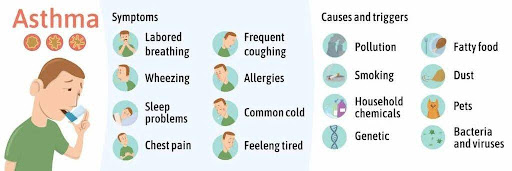
What is pediatric asthma?
It is also known as childhood asthma, a chronic lung condition that affects children, causing their airways to become narrowed and inflamed when exposed to certain triggers, making it difficult for them to breathe.
Asthma can start at any age, but it most often begins during childhood before the age of 5. It can cause irritating daily symptoms that interfere with child play, sports, sleep, and even school. If left untreated, it can cause a variety of issues, including asthma attacks.
Unfortunately, asthma in childhood cannot be cured, and symptoms keep on continuing to adulthood. However, with a timely diagnosis and the right treatment, symptoms can be controlled and prevent damage to growing lungs.
What is an asthma attack?
It refers to the sudden worsening of asthma symptoms in kids, making it difficult for them to breathe. It is a temporary but potentially serious event in which the airways of the patient become narrowed due to inflammation and mucus production, causing wheezing, coughing, and chest tightness.
How common it is:
The World Health Organization (WHO) says that asthma causes about 250,000 deaths around the world and takes away 15 million years of healthy life from people annually. It is the primary cause of chronic illness in children. The occurrence of this condition is rising, especially in children.
Asthma accounts for more school absences and more hospitalizations than any other chronic illness in children. It is also one of the main causes of missed work for parents.
How it differs from other respiratory conditions:
Many respiratory conditions and asthma share some overlapping symptoms (cough and shortness of breath); however, they differ in their underlying causes, inflammatory processes, and airflow obstruction.
If the child has asthma, it can show a recurring nature, specific triggers, and characteristic symptoms like coughing, wheezing, and shortness of breath, especially at night or after exercise.
Early signs and symptoms of asthma
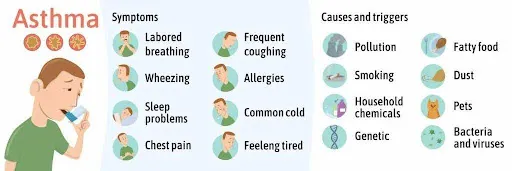
Symptoms of asthma may vary from child to child and might get better or worse over time. The following are the early signs and common symptoms that every parent should be aware of to avoid disease progression:
Cough: Usually, the cough is nonproductive (dry cough that does not produce sputum) and may present with wheezing.
Cough at night or with exercise: It is the only symptom of asthma, particularly in cases of exercise-induced or nocturnal asthma. Kids with nocturnal asthma tend to cough more after midnight and during the early hours of the morning.
Wheezing: It is the most common symptom of asthma that sounds like a musical, high-pitched whistle produced by airflow turbulence, usually during exhalation.
Chest tightness: A history of pain or tightness in the chest may be present with or without other symptoms of asthma.
Shortness of breath (dyspnea): It is one of the common symptoms of pediatric asthma, often accompanied by coughing, wheezing, and chest tightness.
Sputum production: Coughing up mucus or sputum production may be a symptom in some cases, but it is not always a prominent feature.
When the kids have an asthma attack, their symptoms may get much worse, starting slowly or quickly. Infants and young children with severe episodes of asthma may experience the following warning signs of a severe attack, which requires medical help right away:
• Breathless during rest
• Sit upright.
• Not interested in feeding
• Usually agitated
• Trouble speaking (inability to speak in sentences or not being able to speak at all)
• Persistent coughing
• Fast breathing
• Cyanosis: Change of tongue, lips, around the eyes, fingertips, or nail bed colour (greyish or whitish on darker skin tones and bluish on lighter skin tones)
Risk factors and causes
The exact cause of asthma is still unknown, but it often develops during childhood when the immune system is still developing. However, it is thought that multiple genes, interacting with each other and with environmental factors, can influence a person’s susceptibility to developing asthma.
An asthma attack can occur when the child is exposed to an asthma trigger (some factors that worsen asthma symptoms). Many factors can trigger this condition, including:
• Airway infections: COVID-19, colds, pneumonia, flu, and sinus infections
• Irritants: Certain chemicals, air pollution, cold air, odours, or smoke
• Allergens: Your kid might be allergic to things such as dust mites, cockroaches, mold, pollen, and pet dander.
• Exercise: It can lead to coughing, wheezing, and a tight chest.
• Stress: It can make your child short of breath and worsen their symptoms.
• Other factors: Asthma attacks can be related to changes in the quality of air (eg: humidity, allergen, and irritant content), atmospheric temperature, and barometric pressure.
Risk factors include:
• Low birth weight
• Frequent respiratory infections
• A family history of asthma or allergies
• Exposure to second-hand tobacco smoke before or after birth
• Nasal allergies (hay fever) or eczema (allergic skin rash)
• Living in an area with near-high amounts of air pollution
• Being overweight
Diagnosis and testing of asthma
If the kids are too young, it can be difficult to diagnose asthma in children because asthma has similar symptoms to other childhood respiratory conditions. Doctors can perform a single or combination of the following tests to confirm the diagnosis of asthma:
Medical history and symptom description: The doctor examines the reports of a history of breathing problems of your child, a family history of allergies, asthma, eczema (a skin condition), or other lung diseases to understand the underlying cause of the symptoms and assess the risk of chronic or hereditary respiratory conditions.
Physical exam: During the physical examination, in severe episodes, the child may present with a heart rate greater than 120 beats per minute, respiratory rate is often greater than 30 breaths per minute, and wheezing can be heard.
Chest X-ray: Doctors use imaging tests, including chest X-rays, to rule out conditions other than asthma.
Lung function tests (spirometry and plethysmography): These tests measure the amount of air present in the lungs and how fast they can exhale it (breathe it out) to determine the severity of asthma in a child.
Allergy skin or blood tests: These tests can be performed to identify the allergens that are triggering a reaction.
Fraction of exhaled nitric oxide (FeNO) testing: A non-invasive marker of airway inflammation that helps to diagnose or monitor asthma.
Treatment and management
Based on the patient medical history and asthma severity, their doctor will develop a care plan, called an asthma action plan, describing when and how to take asthma medications, what to do when asthma gets worse, and when to seek emergency help. The pharmacological (medical) management of pediatric asthma involves mainly into 2 categories:
Control medications aimed at long term management
Relief medications for acute symptom relief
Control medications: These medications help to prevent airway inflammation and keep asthma under control
Inhaled corticosteroids (ICS): To control chronic asthma in children, reducing airway inflammation and improvement in asthma control.
Long-acting bronchodilators (LABAs): Usually, used in combination with inhaled corticosteroids to prevent the narrowing of airways.
Leukotriene modifiers: These drugs are used either alone or as add-on therapy for kids with mild-moderate persistent asthma, to reduce swelling and help keep their airways open.
Other agents: To manage moderate to severe allergic asthma, biologics including anti-immunoglobulin E may be given in some specific cases, especially in patients with a type 2 inflammatory phenotype.
Allergy shots: They are also called as subcutaneous immunotherapy, reduces the response to allergens to prevent asthma attacks.
Relief medications (Quick relief medications): These medications help to reduce the sudden symptoms, which can be taken during an asthma attack.
Short-Acting Beta2-Agonists (SABA): SABA drugs are used to provide rapid bronchodilation by opening airways so air can flow through more easily.
Short acting anticholinergics: They are used to open their airways quickly, used as alternative option for patients who have trouble with SABAs and develops side effects due to them.
Systemic corticosteroids: These drugs are given to reduce the swelling (inflammation) of the airways.
Preventive measures
Asthma cannot be prevented, as the exact cause of it is still unknown. Although it is not preventable, some steps can be taken to reduce the risk of asthma to your child, including:
• Limiting exposure to asthma triggers
• Encouraging your kid to be active
• Regular screening
• Maintaining a healthy diet
• Helping to maintain a healthy weight
• Not allowing your kid to smoke zone (avoiding second-hand smoke exposure)
• Avoiding air pollution
• Keeping the home free of dampness and mold
• Get flu shots for your child to avoid respiratory infections that can trigger attacks.
When to seek medical help
Providing timely intervention aids in controlling symptoms and possibly avoiding asthma attacks. You can take your child to the hospital if you observe any of the following:
• Rapid breathing or shortness of breath
• Whistling or wheezing sounds
• Constant coughing, linked to physical activity
• Repeated episodes of pneumonia or suspected bronchitis
Take them to the emergency department if your child:
• Chest tightness or wheezing is worsening
• Is suffering with a lasting cough that doesn’t respond to inhaled medicine
• Is unable to walk or talk due to trouble breathing
• Has changes in the child’s lips or fingernails colour (blue or grey in colour)
• Has widened nostrils when breathing in